
TechCrunch
CMU builds a backpack with a robotic arm
The latest invention out of Carnegie-Mellon’s snake lab is an assistive robot arm mounted to a backpack. Read more: TechCrunch is a leading technology media property, dedicated to obsessively profiling startups, reviewing new Internet products, and breaking tech news.












Science & Technology
Amazon and others are done keeping their data center deals secret | Equity Podcast
Amazon says it will stop using NDAs when negotiating data center deals with local governments, following a similar move from Microsoft earlier this year. Secrecy has fueled community backlash against AI infrastructure, with opposition leading to hundreds of proposed and enacted moratoriums from New York to San Francisco. Meanwhile, a wave of startups is betting…

Science & Technology
Build Mode Bonus: Inside the VC Decision-Making Process with True Ventures’ Puneet Agarwal
Venture capital is more concentrated than ever, making it increasingly difficult for early-stage founders to land their first check. So what does it actually take to stand out to investors? In this special bonus episode of Build Mode () , host Isabelle Johannesen sits down with Puneet Agarwal, managing partner at True Ventures () ,…

Science & Technology
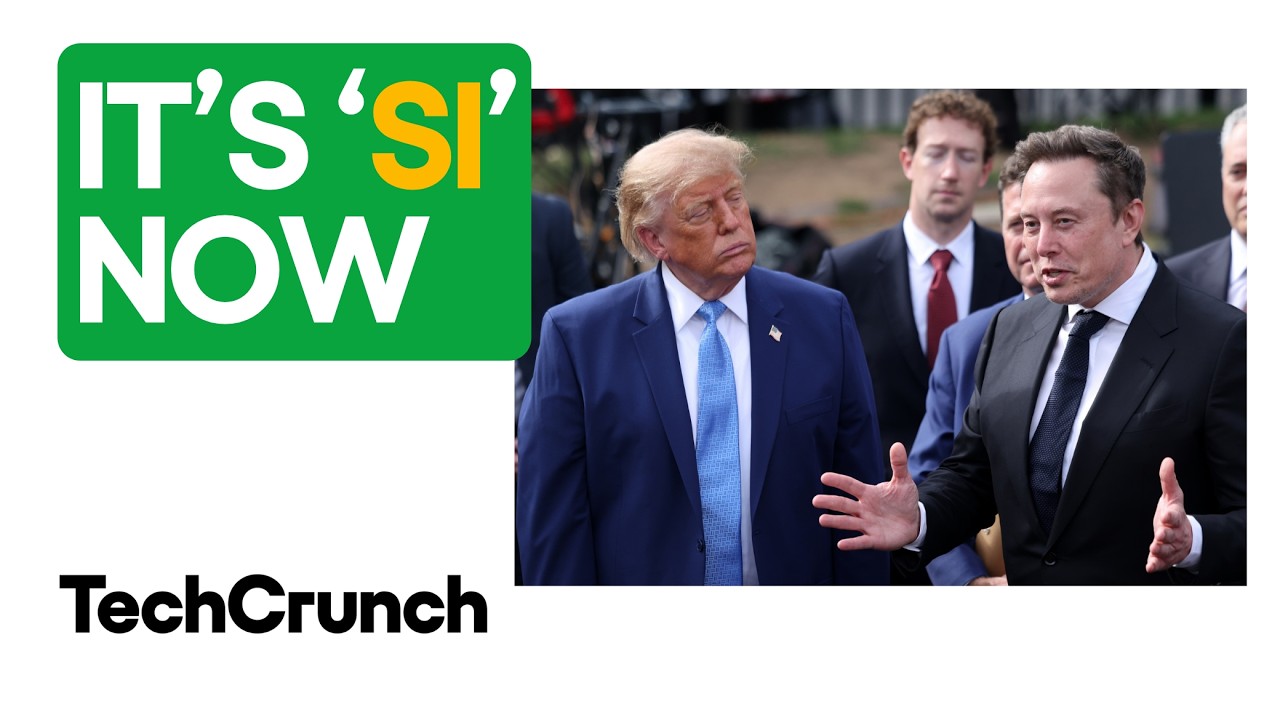
It’s not AI anymore, it’s ‘super intelligence’ (according to the White House) | Equity Podcast
This week, the White House got nearly every major tech CEO in one room — Zuckerberg, Bezos, Musk, and Anthropic’s Dario Amodei among them — to sign an AI safety pledge that President Donald Trump called “morally binding.” Trump also signed an executive order officially rebranding AI as “super intelligence,” and meanwhile, Meta and OpenAI…

Here’s your reminder that you are enough — and you always will be #WorldMentalHealthDay

The Three Words That Saved My Life | Blake Mycoskie | TED

Oura CMO Says Wearable Health Tracking Moving Beyond Checkups
-

 Science & Technology6 years ago
Nitya Subramanian: Products and Protocol
-

 People & Blogs5 years ago
Sleep Expert Answers Questions From Twitter ???? | Tech Support | WIRED
-

 CNET6 years ago
Ways you can help Black Lives Matter movement (links, orgs, and more) ????????
-
 Wired7 years ago
How This Guy Became a World Champion Boomerang Thrower | WIRED
-

 Wired7 years ago
Neuroscientist Explains ASMR’s Effects on the Brain & The Body | WIRED
-
 Wired7 years ago
Why It’s Almost Impossible to Solve a Rubik’s Cube in Under 3 Seconds | WIRED
-
 Wired7 years ago
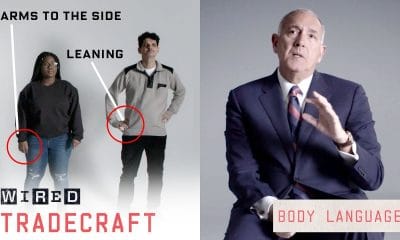
Former FBI Agent Explains How to Read Body Language | Tradecraft | WIRED
-

 CNET7 years ago
Surface Pro 7 review: Hello, old friend ????
Ben
April 8, 2019 at 5:53 pm
I think I would trust a rope more then a bunch of (sensitive electronics)
Masterofthemash
April 8, 2019 at 6:07 pm
next thing you know someone becomes doc ock
Rurushu
April 8, 2019 at 6:13 pm
next thing you know we all become cyborgs under our lord Elon Musk
jeffrey dahmere
April 8, 2019 at 10:38 pm
not bad
Louis Y
April 9, 2019 at 1:04 am
Dumb and unnecessary. A pole and tether cable addresses his use cases
Danish Joshi
April 9, 2019 at 1:50 am
Smart phones were dumb(the irony) and unnecessary too. The telegraphs worked just fine. Heck pigeons were fine too.
Louis Y
April 9, 2019 at 2:14 am
Danish Joshi solution to a problem that doesn’t exist. his use case is pure lack of understanding of the real world. come back here in 10 years. you then realized your dumb comment
Sumit Saini
April 9, 2019 at 2:35 am
Dr. Octopus Origin Story…
Rafal Molak
April 9, 2019 at 6:47 am
It’s not innovation and it’s not new…. Dr. Octopus used this tech for years now.