
Science & Technology
How to Measure the Planet’s Heartbeat | Yadvinder Malhi | TED
Ecosystem scientist Yadvinder Malhi takes us on a jaw-dropping journey through the hidden flows of energy that make life on Earth tick. From sun-soaked forests to tropical islands, he shows how his team measures the vibrancy of ecosystems across the world. This complex web of energy isn’t just nature’s masterpiece, he says — it’s a…





Science & Technology
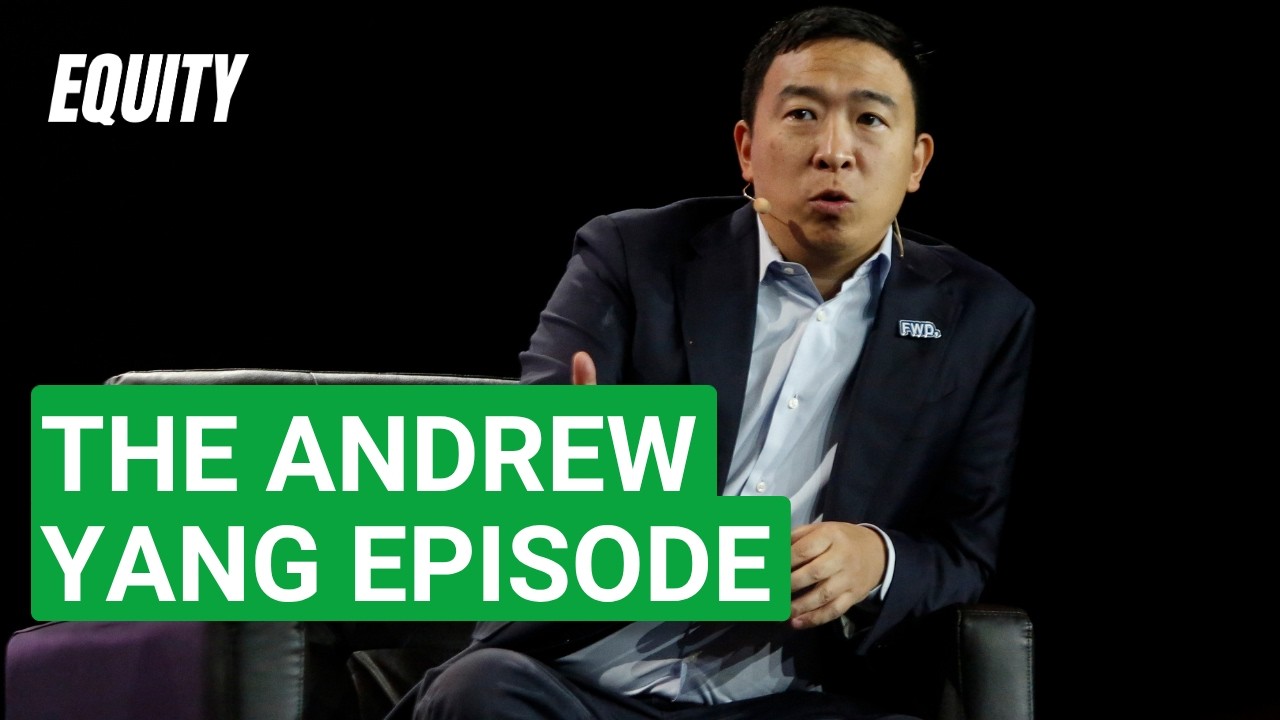
Why Andrew Yang is building instead of waiting for Washington | Equity Podcast
Andrew Yang’s 2020 presidential campaign was based on a warning that automation and AI would hollow out the labor market and concentrate wealth in the hands of a few. At the time, ideas like Universal Basic Income felt fringe. Now Dario Amodei, Sam Altman, and Bernie Sanders are all saying versions of the same thing.…
CNET
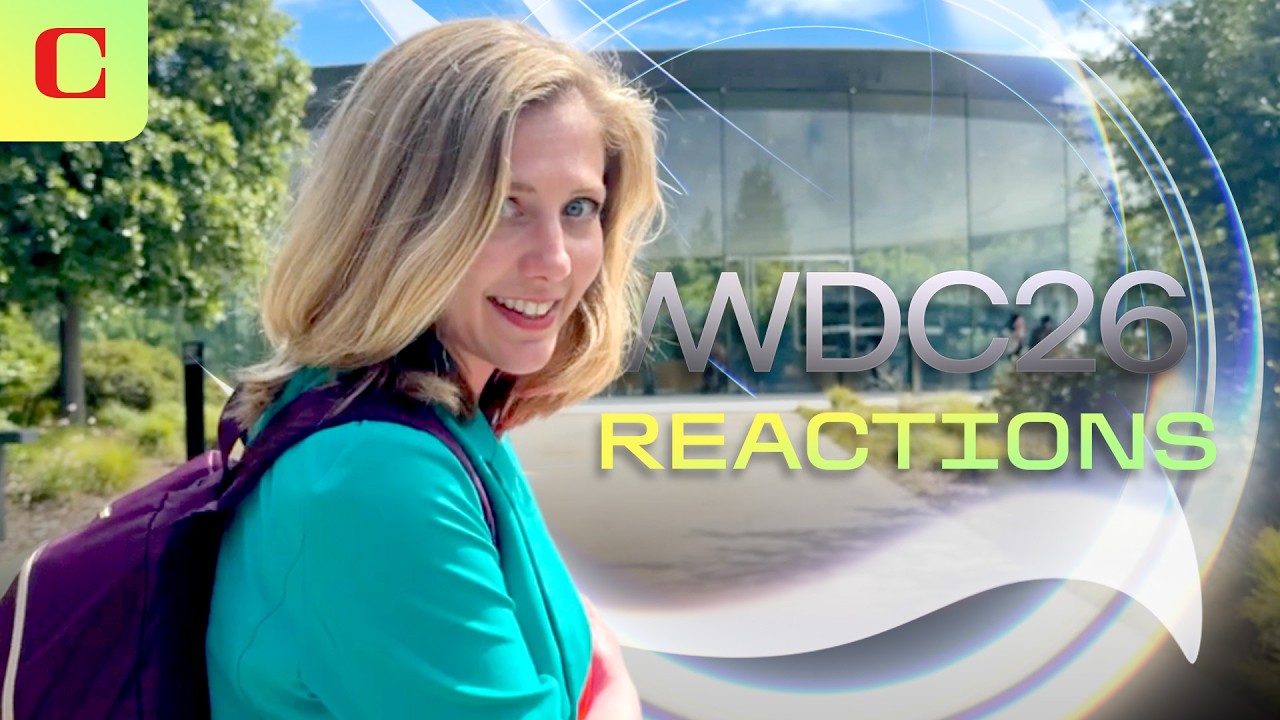
Getting Real about WWDC and Siri: My First Time at Apple Park | One More Thing
There’s something different about visiting Apple Park to cover WWDC26. CNET’s Bridget Carey talks about her first visit to the developer’s conference as Apple reveals big Siri AI changes. 1:22 The in-person WWDC experience 1:42 iJustine 2:08 Nikias Molina 2:07 Being in the crowd for the WWDC 2:10 MKBHD keynote presentation 2:19 WWDC announcements that…
CNET
iOS 27: Are We Getting Excited for Siri? Yes, We Are
At WWDC 2026, Apple relaunched its AI efforts with iOS 27, featuring Siri AI that is more powerful, helpful, and conversational, while protecting your privacy. Here are the top three iOS 27 features you should know. 0:00 – Introduction 0:12 – Siri AI Upgrades & Features 1:13 – The New Dedicated Siri App 1:26 –…



Why Andrew Yang is building instead of waiting for Washington | Equity Podcast

“Make it for yourself and enjoy the feeling of actually making.” #TEDTalks

Can Play Change the World? | Play@TED Full Event | TED, the LEGO Group and the LEGO Foundation

Nitya Subramanian: Products and Protocol

Sleep Expert Answers Questions From Twitter ???? | Tech Support | WIRED

Ways you can help Black Lives Matter movement (links, orgs, and more) ????????
Why Andrew Yang is building instead of waiting for Washington | Equity Podcast
“Make it for yourself and enjoy the feeling of actually making.” #TEDTalks
Can Play Change the World? | Play@TED Full Event | TED, the LEGO Group and the LEGO Foundation
-
 Science & Technology6 years ago
Nitya Subramanian: Products and Protocol
-
 People & Blogs4 years ago
Sleep Expert Answers Questions From Twitter ???? | Tech Support | WIRED
-
 CNET6 years ago
Ways you can help Black Lives Matter movement (links, orgs, and more) ????????
-
 Wired7 years ago
How This Guy Became a World Champion Boomerang Thrower | WIRED
-

 Wired7 years ago
Neuroscientist Explains ASMR’s Effects on the Brain & The Body | WIRED
-
 Wired7 years ago
Why It’s Almost Impossible to Solve a Rubik’s Cube in Under 3 Seconds | WIRED
-

 Wired7 years ago
Former FBI Agent Explains How to Read Body Language | Tradecraft | WIRED
-

 CNET7 years ago
Surface Pro 7 review: Hello, old friend ????
@AdvantestInc
November 25, 2025 at 11:05 am
The blend of AI sensing and traditional field counting feels like the right direction: high-tech measurement, grounded in real-world ecology. More talks connecting those dots, please.
@worldlaughs-bp
November 25, 2025 at 11:05 am
This is very inspiring ❤
@ExistentialWolf
November 25, 2025 at 11:27 am
Wow. Nice story but the stars do the work for the planet not the animals … we have left our mark, however;)
@hannahtelluselle
November 25, 2025 at 12:01 pm
Maybe this vibrancy and energy is what on a spiritual level is perceived as the Great Spirit or the soul of a place?
@clarissastewart4872
November 26, 2025 at 12:40 am
You are definitely onto something!
@oraculum_
November 26, 2025 at 10:05 am
Or maybe return to earth, literally
@Zor963
November 25, 2025 at 1:19 pm
Thanks
@sandyduggan8572
November 25, 2025 at 4:39 pm
Are people working to restore / re-wild the islands that have been taken over by invasive species? Is there an active process making that happen?
@saranbhatia8809
November 25, 2025 at 6:12 pm
Well presented!
@polodon3575
November 25, 2025 at 6:23 pm
Thanks
@clarissastewart4872
November 26, 2025 at 12:39 am
I did a lot of what we called bush regeneration in Australia for several years… It’s very satisfying work, and you can really see the results over a period of time as the native species may adapt and take over again. All the principles of doing this work have stayed with me for the rest of my life so far….. And continually grow in my understanding of the complexities of nature !
Thank you so much for this brilliantly presented explanation of biodiversity, with clear scientific understanding , with great examples through the photos.
@urbanstrencan
November 26, 2025 at 1:11 am
Interesting talk, the nature and the life of ecosystems around the world is so interesting
@mohammedayyadi2574
November 26, 2025 at 9:47 am
How to measure my heartbeat ❤😅😊
@techcoachmahi
November 26, 2025 at 10:50 am
Such a powerful explanation of how nature’s energy web keeps our planet alive. Truly eye-opening!
@lifemotivation6789
November 26, 2025 at 10:56 am
A forest isn’t just resources — it’s an ancient, living network of life, communication, and quiet miracles we’re only beginning to understand
@PlasticBank
November 27, 2025 at 2:36 pm
So eye opening to see the world this way! Makes you appreciate it even more 🙌🌏