Connect with us

TechCrunch

Live Q&A with Bradley Tusk

Bradley Tusk, CEO and founder of Tusk Ventures, discusses the path forward for startups in highly regulated industries during the coronavirus pandemic.

Published

on

Bradley Tusk, CEO and founder of Tusk Ventures, discusses the path forward for startups in highly regulated industries during the coronavirus pandemic.

Continue Reading
Advertisement
Click to comment

Leave a Reply

Your email address will not be published. Required fields are marked *

Science & Technology

The Case for Crowdfunding Before Raising Venture Capital with Everette Taylor, Kickstarter

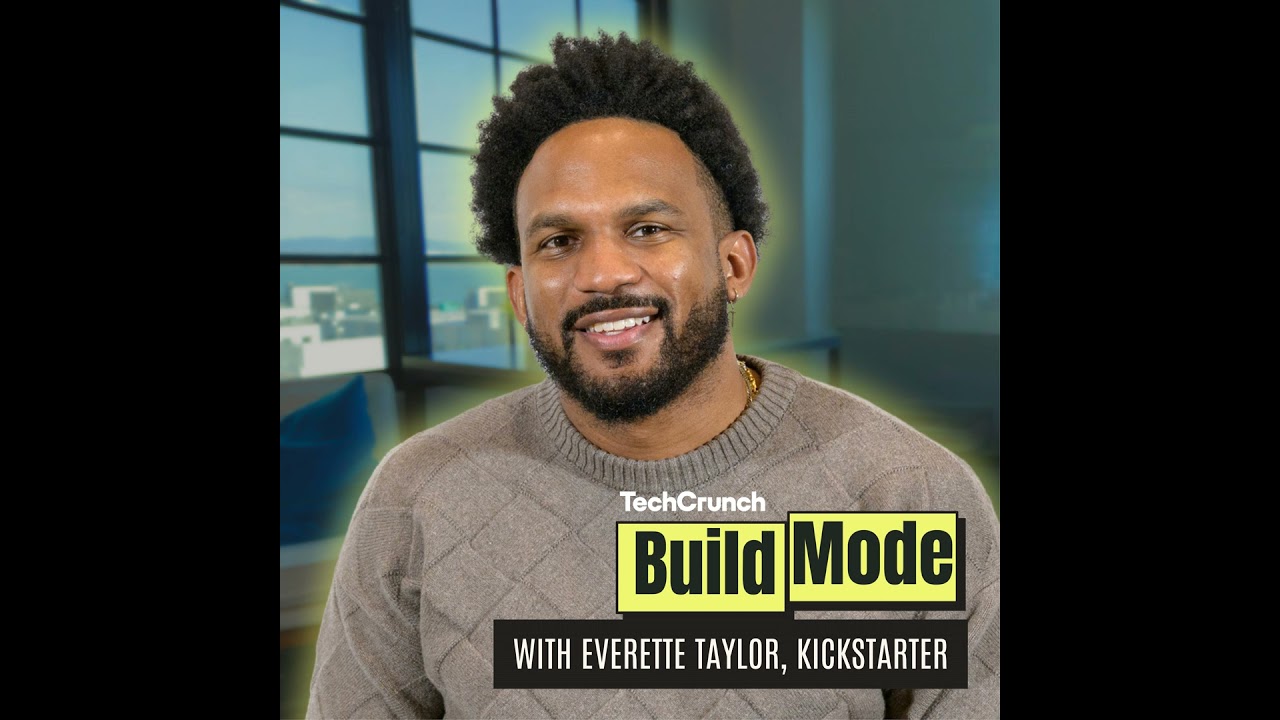
For years, crowdfunding had a reputation as the place founders went when they couldn’t raise venture capital. Kickstarter CEO Everette Taylor thinks founders should look at it very differently. In this episode of Build Mode () , host Isabelle Johannesen sits down with Everett to talk about crowdfunding as an alternative and sometimes a precursor…
Published

on

For years, crowdfunding had a reputation as the place founders went when they couldn’t raise venture capital. Kickstarter CEO Everette Taylor thinks founders should look at it very differently.

In this episode of Build Mode () , host Isabelle Johannesen sits down with Everett to talk about crowdfunding as an alternative and sometimes a precursor to traditional venture funding.

Everette’s own path into entrepreneurship was unconventional. Growing up in Richmond, Virginia, far from Silicon Valley, he says he didn’t know what venture capital, SaaS, or ARR were when he started his first company. Instead, he threw parties to make enough money to fund the software he was building. He eventually sold that company at 21, an experience that taught him some hard lessons about understanding the value of what you’ve built.

Today, as CEO of Kickstarter, Everette is making the case that founders don’t necessarily have to choose between crowdfunding and venture capital. A successful Kickstarter campaign can help founders raise non-dilutive capital, find their first customers, test demand, and establish product-market fit—all before giving up a piece of their company. And for founders who eventually do want VC backing, Everett argues that traction can give them considerably more leverage at the negotiating table.

He also explains why Kickstarter is increasingly attracting established companies and creators, what makes hardware particularly well suited to crowdfunding, how AI is changing who can become an entrepreneur, and what founders need to have in place before launching a campaign.

They get into:

•

How Everette funded his first startup by throwing parties

•

What selling his first company taught him about understanding your value

•

The differences between donation, equity, and reward-based crowdfunding

•

Why Kickstarter can work particularly well for hardware startups

•

What crowdfunding can give founders that venture capital can’t

•

How Kickstarter can help founders find early adopters and test product-market fit

•

Why crowdfunding can give founders more leverage when they eventually raise VC

•

What founders need before launching a Kickstarter campaign

•

Why Everette says the stigma around crowdfunding is disappearing

•

How AI is pushing more people toward entrepreneurship

•

Why AI-powered hardware is growing on Kickstarter

•

Whether founders actually need venture capital after a successful campaign

•

The three things Everette thinks every Kickstarter campaign needs

•

How founders can build trust with backers

•

Why major brands are increasingly launching products on Kickstarter

•

What Oculus, Peloton, and Oura did differently

•

Why Everett believes ownership and creative independence matter for founders

Chapters:

00:00 — Why founders should consider crowdfunding

01:36 — Everette Taylor’s unconventional path to entrepreneurship

03:25 — Learning the value of what you’ve built

05:08 — How Everette became CEO of Kickstarter

07:11 — The different types of crowdfunding

10:32 — Equity crowdfunding vs. Kickstarter

13:01 — Can B2B startups use Kickstarter?

14:34 — What crowdfunding can offer that VC can’t

16:29 — What founders need before launching a campaign

17:36 — Is there still a stigma around crowdfunding?

18:56 — How AI is changing entrepreneurship

20:46 — Using Kickstarter as a path to venture capital

22:56 — Three tips for launching a Kickstarter campaign

25:19 — How early is too early for Kickstarter?

26:39 — Why big brands are coming to Kickstarter28:33 — Everette’s favorite projects to back

29:21 — What Oculus, Peloton, and Oura got right

31:15 — The case for ownership over venture capital

Join us at TechCrunch Disrupt October 13-15 in San Francisco. Use promo code: buildmode25 for 25% off your ticket.

Subscribe to Build Mode on Apple Podcasts () , Spotify () , or wherever you like to listen () . And watch the full videos on YouTube () . New episodes of Build Mode (…

Continue Reading

Science & Technology

Could Kickstarter Replace Your Seed Round? l Build Mode

For years, crowdfunding had a reputation as the place founders went when they couldn’t raise venture capital. Kickstarter CEO Everette Taylor thinks founders should look at it very differently. In this episode of Build Mode, host Isabelle Johannesen sits down with Everette to talk about crowdfunding as an alternative and sometimes a precursor to traditional…
Published

on

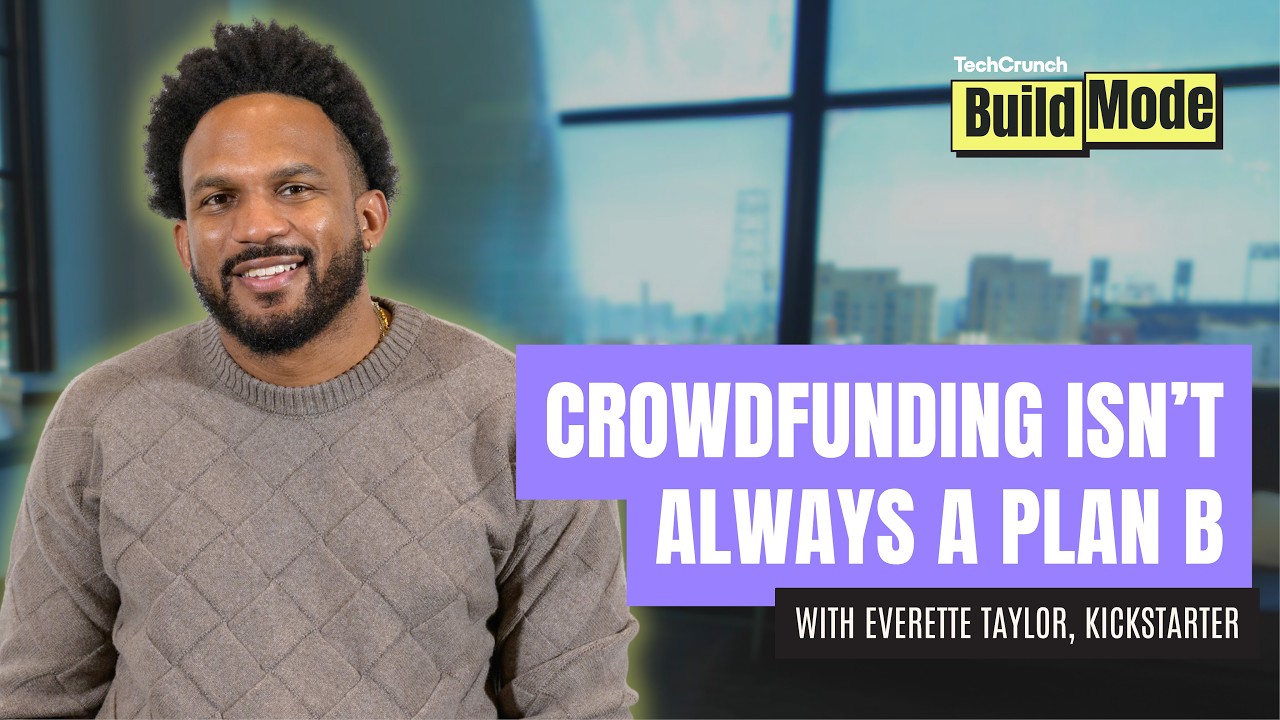
For years, crowdfunding had a reputation as the place founders went when they couldn’t raise venture capital. Kickstarter CEO Everette Taylor thinks founders should look at it very differently.

In this episode of Build Mode, host Isabelle Johannesen sits down with Everette to talk about crowdfunding as an alternative and sometimes a precursor to traditional venture funding.

Everette’s own path into entrepreneurship was unconventional. Growing up in Richmond, Virginia, far from Silicon Valley, he says he didn’t know what venture capital, SaaS, or ARR were when he started his first company. Instead, he threw parties to make enough money to fund the software he was building. He eventually sold that company at 21, an experience that taught him some hard lessons about understanding the value of what you’ve built.

Today, as CEO of Kickstarter, Everette is making the case that founders don’t necessarily have to choose between crowdfunding and venture capital. A successful Kickstarter campaign can help founders raise non-dilutive capital, find their first customers, test demand, and establish product-market fit—all before giving up a piece of their company. And for founders who eventually do want VC backing, Everette argues that traction can give them considerably more leverage at the negotiating table.

He also explains why Kickstarter is increasingly attracting established companies and creators, what makes hardware particularly well suited to crowdfunding, how AI is changing who can become an entrepreneur, and what founders need to have in place before launching a campaign.

Chapters:
00:00 — Why founders should consider crowdfunding
01:36 — Everette Taylor’s unconventional path to entrepreneurship
03:25 — Learning the value of what you’ve built
05:08 — How Everette became CEO of Kickstarter
07:11 — The different types of crowdfunding
10:32 — Equity crowdfunding vs. Kickstarter
13:01 — Can B2B startups use Kickstarter?
14:34 — What crowdfunding can offer that VC can’t
16:29 — What founders need before launching a campaign
17:36 — Is there still a stigma around crowdfunding?
18:56 — How AI is changing entrepreneurship
20:46 — Using Kickstarter as a path to venture capital
22:56 — Three tips for launching a Kickstarter campaign
25:19 — How early is too early for Kickstarter?
26:39 — Why big brands are coming to Kickstarter
28:33 — Everette’s favorite projects to back
29:21 — What Oculus, Peloton, and Oura got right
31:15 — The case for ownership over venture capital

Join us at TechCrunch Disrupt October 13-15 in San Francisco. Use promo code: buildmode25 for 25% off your ticket.

Subscribe to Build Mode:
Apple Podcasts
Spotify
Wherever you like to listen
New episodes of Build Mode drop every Thursday.

Continue Reading

Science & Technology

Neko Health raised $700M to scan your body. Is it worth it? | Equity Podcast

Spotify founder Daniel Ek’s Neko Health raised $700 million to build a business around scanning your body, but it’s not the only company centering its roadmap around a new kind of preventative healthcare. Midjourney is building its own body scanner, while Function Health has also raised significant capital to build out its preventative-health platform. Why…
Published

on

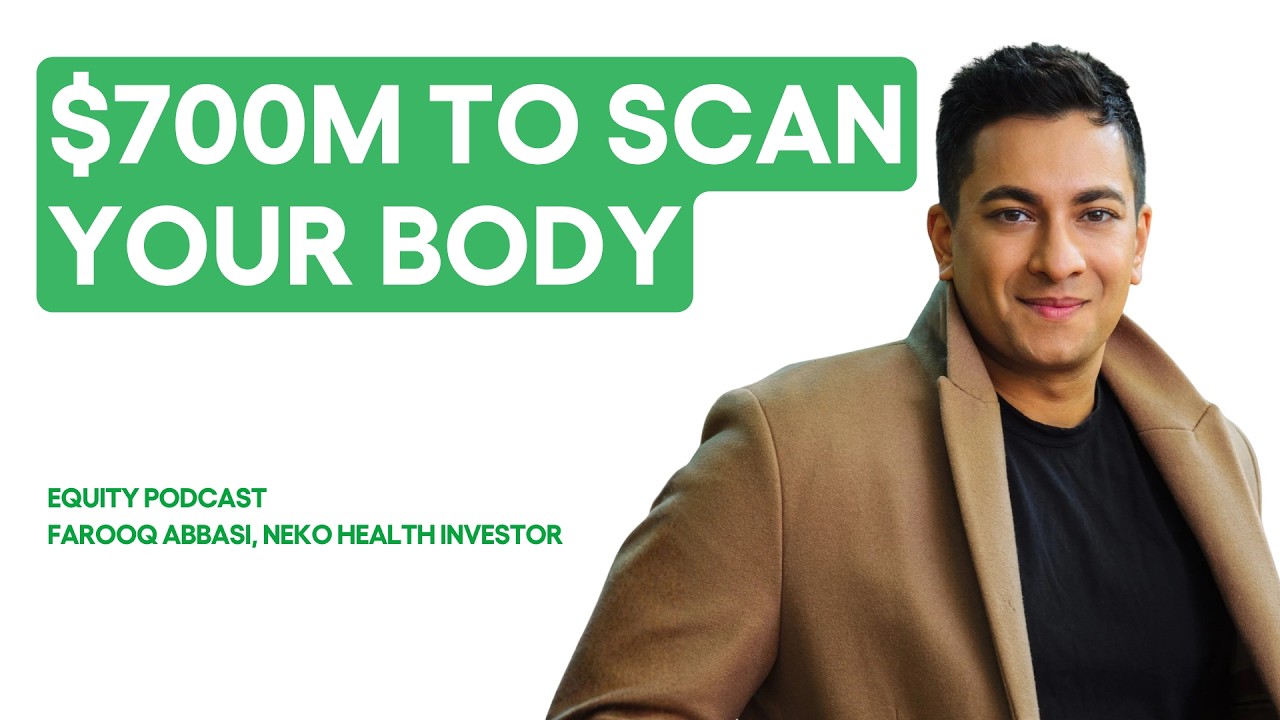
Spotify founder Daniel Ek’s Neko Health raised $700 million to build a business around scanning your body, but it’s not the only company centering its roadmap around a new kind of preventative healthcare. Midjourney is building its own body scanner, while Function Health has also raised significant capital to build out its preventative-health platform. Why are investors betting so big on this category?

On this episode of TechCrunch’s Equity podcast, Dominic-Madori Davis talks with Farooq Abbasi, founder and general partner of Preface Ventures and an investor in Neko Health, about how Neko compares with other consumer-health startups. They discuss what has to happen for body scanning to become part of the broader healthcare system.

Subscribe to Equity on YouTube, Apple Podcasts, Overcast, Spotify and all the casts. You can also follow Equity on X and Threads, at @EquityPod.

Chapters

00:00 Intro

1:44 From Spotify to Neko Health: the pitch that got him investing

6:22 Why preventative care is so hard to access

8:23 Inside a Neko scan

12:03 Scaling from Sweden to the world (sorry, not SF yet)

14:20 The dark side of VC-backed health: subscribers, not patients

19:14 Open Evidence and the rise of vertical AI in medicine

22:00 IPO or bust? What “winning” looks like in healthcare

24:12 Outro

Continue Reading

Trending