
People & Blogs
How AI can help you supercharge your career #TEDIntersections #Sponsored
As AI continues to integrate into our workplaces, how do we ensure we don’t lose what makes us human? Social psychologist Heidi Grant speaks with NiCE’s CX Division president Barry Cooper about why the current era of AI is misunderstood and how working with this new technology — instead of against it — can help…









People & Blogs
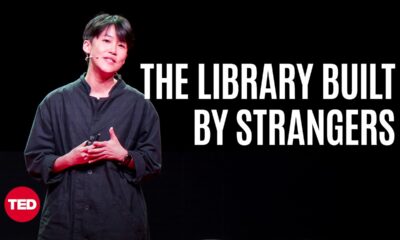
How 180 Strangers Built a Library Together | Rebecca Toh | TED
Does the fix for a fragmented world begin with a shared bookshelf? Photographer Rebecca Toh traces how she joined with 180 other people to build a community-funded library where strangers rent shelves, fill them with their personal collections and forge something rare: real connection. (Recorded at TEDxSingapore on December 4, 2024) Join us in person…
People & Blogs
The Shape-Shifting Sounds of the Accordion | Maria Telesheva | TED
Musician Maria Telesheva plays the accordion like a second set of lungs, showcasing this powerhouse instrument and its impressive 226 buttons — whether she’s playing Bach or the Beatles. In this talk and performance, she discusses how she fell in love with this musical acrobat and plays two beautiful songs. (Recorded at Play@TED on May…

People & Blogs
Life, like music, was never made to run in straight lines #TEDTalks
Grammy-winning musician Jacob Collier has a name for the feeling that moves through a great piece of music: the wiggle. Watch him break down the idea into its three parts — melody, rhythm and harmony — with nothing but his own voice, a grand piano and Louis Armstrong’s “What a Wonderful World.” Turns out life,…

Getting Bridget’s REAL age?!

Everybody’s Business: Tubi’s Growth Strategy Includes Edgy Merch

AI Spending Rolls On as Tech Wealth Hits Records
-

 Science & Technology6 years ago
Nitya Subramanian: Products and Protocol
-
 People & Blogs5 years ago
Sleep Expert Answers Questions From Twitter ???? | Tech Support | WIRED
-
 CNET6 years ago
Ways you can help Black Lives Matter movement (links, orgs, and more) ????????
-
 Wired7 years ago
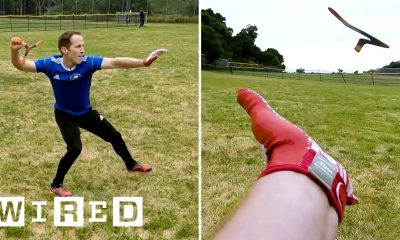
How This Guy Became a World Champion Boomerang Thrower | WIRED
-

 Wired7 years ago
Neuroscientist Explains ASMR’s Effects on the Brain & The Body | WIRED
-
 Wired7 years ago
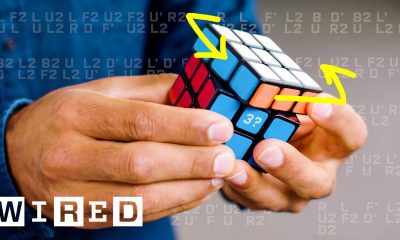
Why It’s Almost Impossible to Solve a Rubik’s Cube in Under 3 Seconds | WIRED
-
 Wired7 years ago
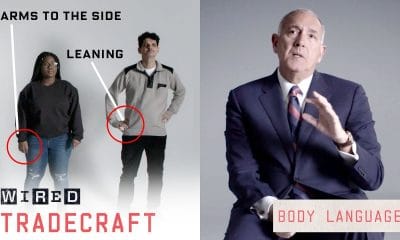
Former FBI Agent Explains How to Read Body Language | Tradecraft | WIRED
-

 CNET7 years ago
Surface Pro 7 review: Hello, old friend ????