
Science & Technology
The Spiritual Wisdom We Need for a Planet in Crisis | Tariq Al-Olaimy | TED
As cascading climate challenges reshape our world, the most resilient systems are ones we often overlook. Ecological futurist Tariq Al-Olaimy has seen this firsthand in disaster-stricken communities, where church basements, mosque yards and temple networks form a “spiritual infrastructure” that sustains people long before formal aid arrives. Drawing on a decade of work with global…





CNET
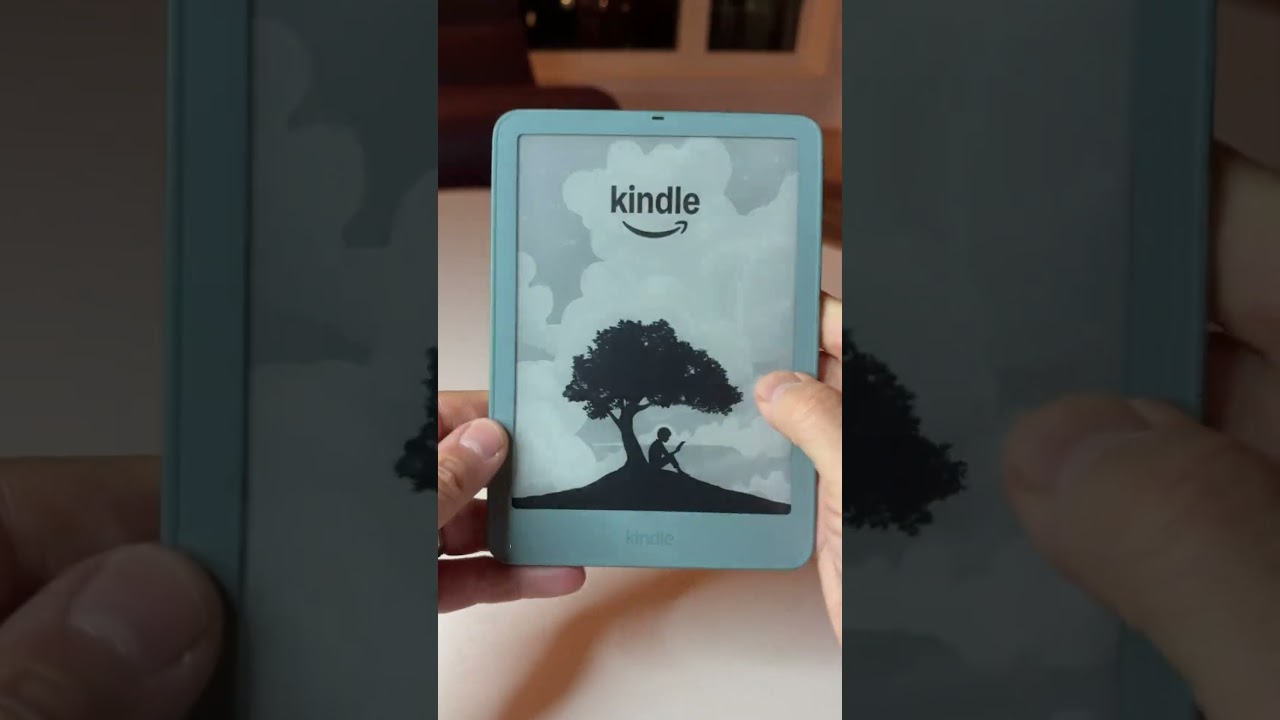
Unboxing: $290 Kindle Paperwhite Signature Edition (2026)
Kindle’s newest Paperwhite has gotten an upgrade with the Signature Edition which features an aluminum back, an auto adjusting front light, 32GB of storage, dock charging, and more. Let’s unbox it in Seaglass Green. #kindlepaperwhite #kindle #unboxing #BookTok #ereader Video Credits: Host: David Carnoy Add CNET as a trusted news source Never miss a deal…
CNET
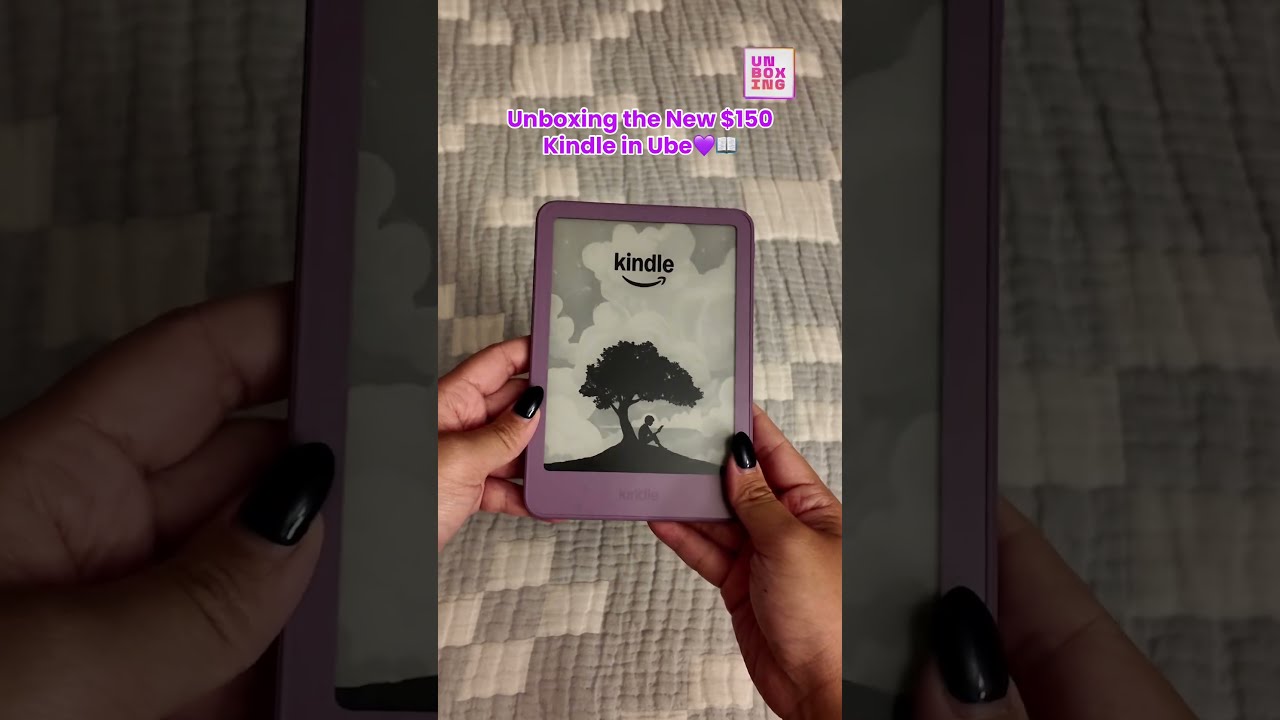
Unboxing: $150 Amazon Kindle (2026) in Ube
First matcha, now Ube. This new 6-inch Kindle is the company’s most “pocket-sized” Kindle they’ve ever made and is lighter with a new flush-front design. Let’s unbox the $150 e-reader. #unboxing #kindle #ereader #bookstagram #kindlegirlie Video Credits: Host & Editor: Tara Brown Add CNET as a trusted news source Never miss a deal again! See…
CNET
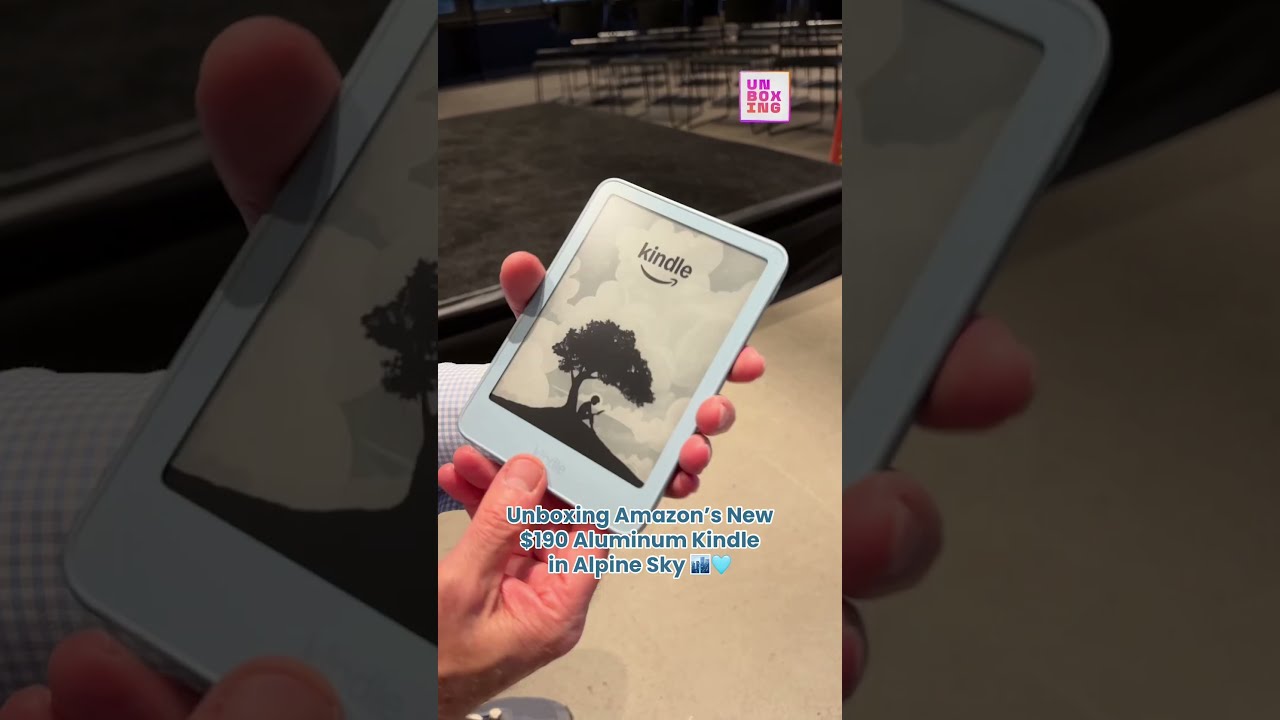
Unboxing: $190 Amazon Kindle in Alpine Sky (2026)
A new cute, pocket-sized Kindle has entered the chat in an Alpine Sky color with a shiny aluminum back. Unbox one of the two colors with us. #unboxing #kindle #kindlealuminum #booktok #ereader Video Credits: Host: David Carnoy Video Editor: Tara Brown Add CNET as a trusted news source Never miss a deal again! See CNET’s…

Still going strong — how many times did you stand up today? #TEDTalks

Human connection is crucial in making sure every person can thrive #TEDTalks

Unboxing: $290 Kindle Paperwhite Signature Edition (2026)
-
 Science & Technology6 years ago
Nitya Subramanian: Products and Protocol
-
 People & Blogs5 years ago
Sleep Expert Answers Questions From Twitter ???? | Tech Support | WIRED
-
 CNET6 years ago
Ways you can help Black Lives Matter movement (links, orgs, and more) ????????
-
 Wired7 years ago
How This Guy Became a World Champion Boomerang Thrower | WIRED
-
 Wired7 years ago
Neuroscientist Explains ASMR’s Effects on the Brain & The Body | WIRED
-
 Wired7 years ago
Why It’s Almost Impossible to Solve a Rubik’s Cube in Under 3 Seconds | WIRED
-
 Wired7 years ago
Former FBI Agent Explains How to Read Body Language | Tradecraft | WIRED
-
 CNET7 years ago
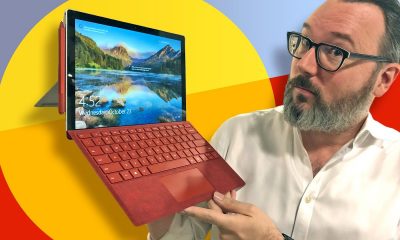
Surface Pro 7 review: Hello, old friend ????
@savag3salad813
January 27, 2026 at 11:11 am
FIRST
@MikkiThai13
January 27, 2026 at 11:15 am
SECOND
@FinalEyes777
January 27, 2026 at 11:26 am
so faith traditions are at the root of destroying truth, reason, politics, and possibly the environment and civilization, and… we need to look to faith traditions to rebuild in the ashes they created? lol no thanks. I’ll just stick to truth which gave birth to both science and religion anyways.
@maryamw-d7l
January 27, 2026 at 8:42 pm
But how would you know what the truth is?
@FinalEyes777
January 27, 2026 at 8:53 pm
@maryamw-d7l do what? Is it true that 1=1 or that you are yourself or that a triangle has 3 sides?
Everyone knows what truth is, until someone convinces them they dont.
@ExistentialWolf
January 27, 2026 at 11:36 am
Interesting perspective, not withstanding the _lingo._ As a Catholic we believe that self struggle is rooted in one’s divergence from the core belief. The belief that you are on the right path to meet the maker. We believe you should always act for the good of everyone, and you will find comfort in your place. The value of more is only a consideration of everyone’s future. 🤣🤗🤪
@fractalflight5752
January 27, 2026 at 1:20 pm
I use a “contradiction key” – It Is, It Is not, Both, Neither, All, None. You can ask yourself any question imaginable and run it through this function. It nearly always produces an expansion of perception. For example, “Is the world in danger right now?”. It clarifies the vagueness of the question immediately. So more specific, “Is there reason for fear?”, Becomes, “Is there reason”… A question becomes simply “?”. The funniest solution is simply straightening out the question mark, “!”.
@506_egyrizalfajarmuharram7
January 27, 2026 at 1:51 pm
✋
@fluenteducation-abs
January 27, 2026 at 2:22 pm
I am from n
Bangladesh
@ahmadjonovvvvv
January 30, 2026 at 3:08 am
Faith
Thresholds
Contraction
Evolution
Consquential
Eldery couples
Poltitical leaders
Climate
Disposable
Arbitrarily
Resonating
Luminous
Posiblity
Diagnosis
Unravels
Invitation
Collapse
Preservation
Climate emergany
Primarily
Systematic solution
Devastated communities
Deepest resilience
Demonstrate
Contradiction
Imaginable
Expanasion
Perception