
Bloomberg Technology
Silicon Data Raises $30.5M to Benchmark AI Compute
Silicon Data has raised $30.5 million to expand its pricing and performance benchmarks for the rapidly growing AI compute market. CEO Carmen Li joins Bloomberg to discuss the company’s ambition to become an “independent referee” for compute, CME’s planned GPU futures tied to Silicon Data benchmarks, and what its data says about the value and…












Bloomberg Technology
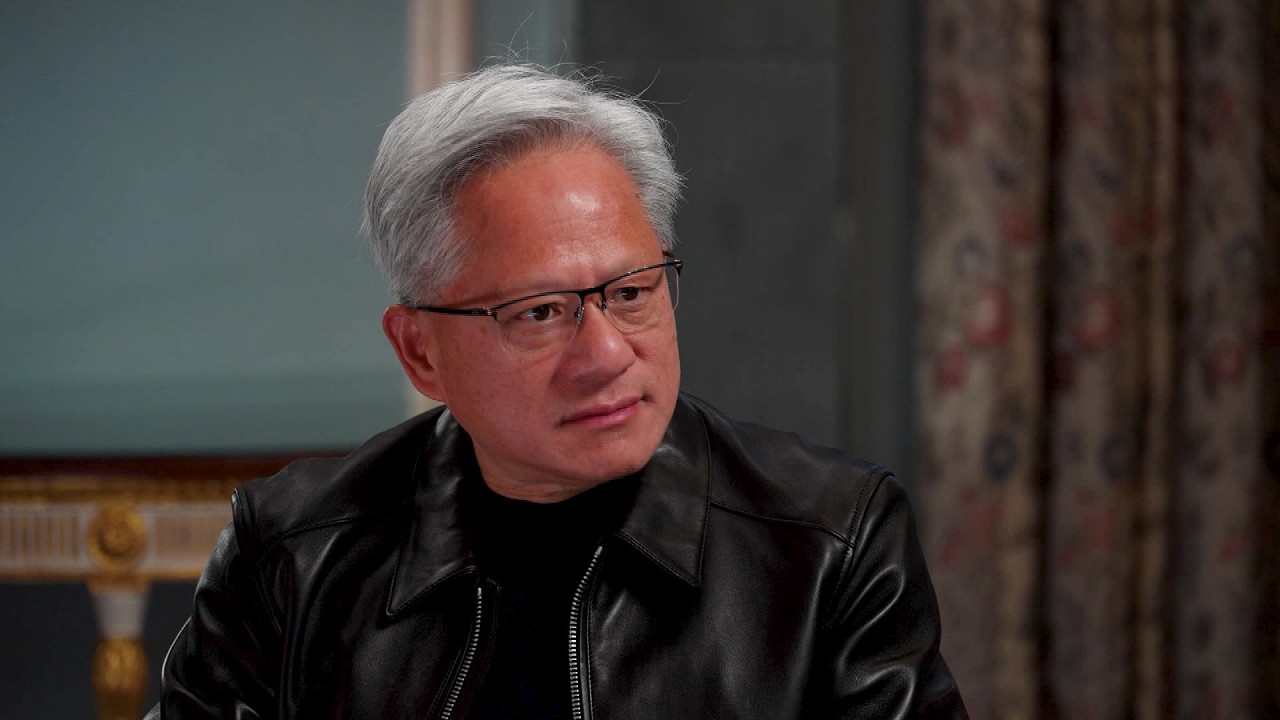
Nvidia CEO Huang Says He Would Not Sell Chips to Irresponsible AI Customers
Nvidia Corp. Chief Executive Officer Jensen Huang says his company would stop selling chips to a customer that was developing unsafe AI software. He talks extensively about AI safety and how the industry is growing with Bloomberg’s Emily Chang in London. ——– Like this video? Subscribe to Bloomberg Tech on YouTube: Watch the latest full…
Bloomberg Technology
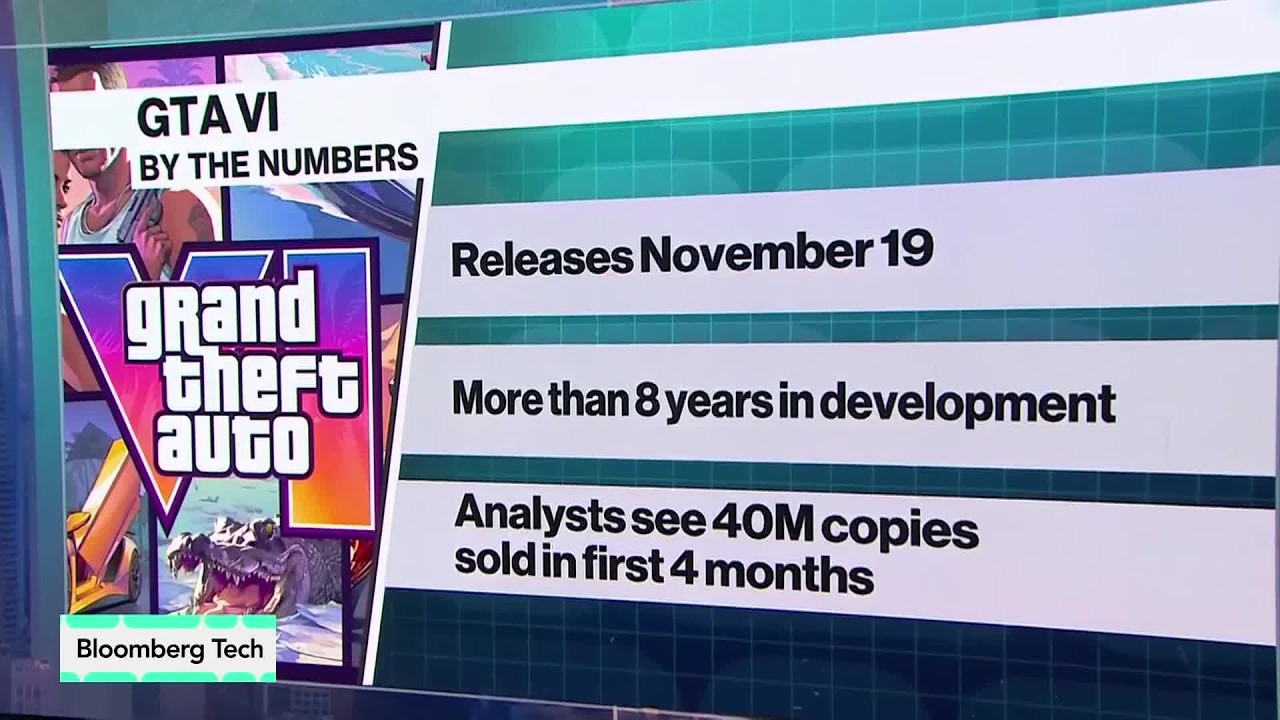
Inside the Making of ‘Grand Theft Auto VI’
GTA VI is set to release on November 19th, expected to be one of the biggest entertainment releases in history. The game, created by Rockstar Games, a development studio owned by Take-Two, is expected to generate more than $3 billion dollars in its first four months. Bloomberg’s Jason Schreier joins Ed Ludlow on “Bloomberg Tech”…
Bloomberg Technology
AI Boom Drives ASML Higher as Nvidia Bets on Europe
Bloomberg’s Ed Ludlow breaks down ASML’s earnings after the company raised its sales forecast for 2026 and said it aims to increase production of its chip-making machines to keep up with soaring AI spending. Plus, Nvidia CEO Jensen Huang announces plans to invest an additional $2 billion in European deals. And, an inside look at…

Startup Battlefield: Health Tech & Life Sciences Pitches | Disrupt 2026

Flock CEO Garrett Langley on Public Backlash, Surveillance Expansion | Disrupt 2026

Satya Nadella’s ‘emergency brake’ and the race to secure AI agents | Disrupt 2026

Nitya Subramanian: Products and Protocol

Sleep Expert Answers Questions From Twitter ???? | Tech Support | WIRED

Ways you can help Black Lives Matter movement (links, orgs, and more) ????????
Startup Battlefield: Health Tech & Life Sciences Pitches | Disrupt 2026
Flock CEO Garrett Langley on Public Backlash, Surveillance Expansion | Disrupt 2026
Satya Nadella’s ‘emergency brake’ and the race to secure AI agents | Disrupt 2026
-
 Science & Technology6 years ago
Nitya Subramanian: Products and Protocol
-
 People & Blogs5 years ago
Sleep Expert Answers Questions From Twitter ???? | Tech Support | WIRED
-
 CNET6 years ago
Ways you can help Black Lives Matter movement (links, orgs, and more) ????????
-

 Wired7 years ago
How This Guy Became a World Champion Boomerang Thrower | WIRED
-

 Wired7 years ago
Neuroscientist Explains ASMR’s Effects on the Brain & The Body | WIRED
-

 Wired7 years ago
Why It’s Almost Impossible to Solve a Rubik’s Cube in Under 3 Seconds | WIRED
-

 Wired7 years ago
Former FBI Agent Explains How to Read Body Language | Tradecraft | WIRED
-

 Entertainment6 years ago
Former CIA Chief of Disguise Breaks Down Cold War Spy Gadgets | WIRED
@yomajo
August 12, 2026 at 4:53 pm
Would
@ausmiku
August 12, 2026 at 6:54 pm
Do your research. AI can’t verify itself. It has no logic or deduction capability, it can’t “do” maths, it’s not trusted in law or medicine, and it can hallucinate. AI added glue to a pizza recipe, it said people should eat rocks for minerals and vitamins, it didn’t know how many letters “r” were in “strawberry”. LOL. The fanboys and influencers are being played by the fraudulent AI companies. AI is the biggest scam in history.
@1NISU
August 12, 2026 at 9:24 pm
What we are witnessing is not just an isolated controversy; it signals systemic risk at the leadership level. When people in power openly normalize or defend racially charged rhetoric, it shows a deeper erosion of the standards that support social stability and international trust.
This issue is not about one statement or one individual. It is about the return of identity-based hierarchies that divide societies, weaken governance, and create long-term geopolitical tension. History has shown that when such narratives go unchallenged, they change from rhetoric into policy distortions, economic exclusion, and social unrest.
For global leaders and decision-makers, the priority must be to contain and correct issues at the structural level. This requires holding public officials accountable, strengthening international norms around responsible leadership, and integrating reputation-risk monitoring systems into political and institutional frameworks.
In our interconnected world, reputational damage does not stay local; it affects the global stage, impacting investment climates, diplomatic relations, and institutional credibility. The cost of inaction is not just theoretical; it is seen in instability, capital flight, and weakened alliances.
The strategic objective is clear: we must reassert standards of leadership that promote stability, credibility, and long-term global unity. before these isolated signals develop into systemic fractures.