
People & Blogs
Spider-Man shoots webs + flies through NYC, but it’s his human traits that make him memorable #TED
As the creator of a large chunk of the Marvel Universe, Stan Lee knows a thing or two about conjuring new superheroes from thin air.












People & Blogs
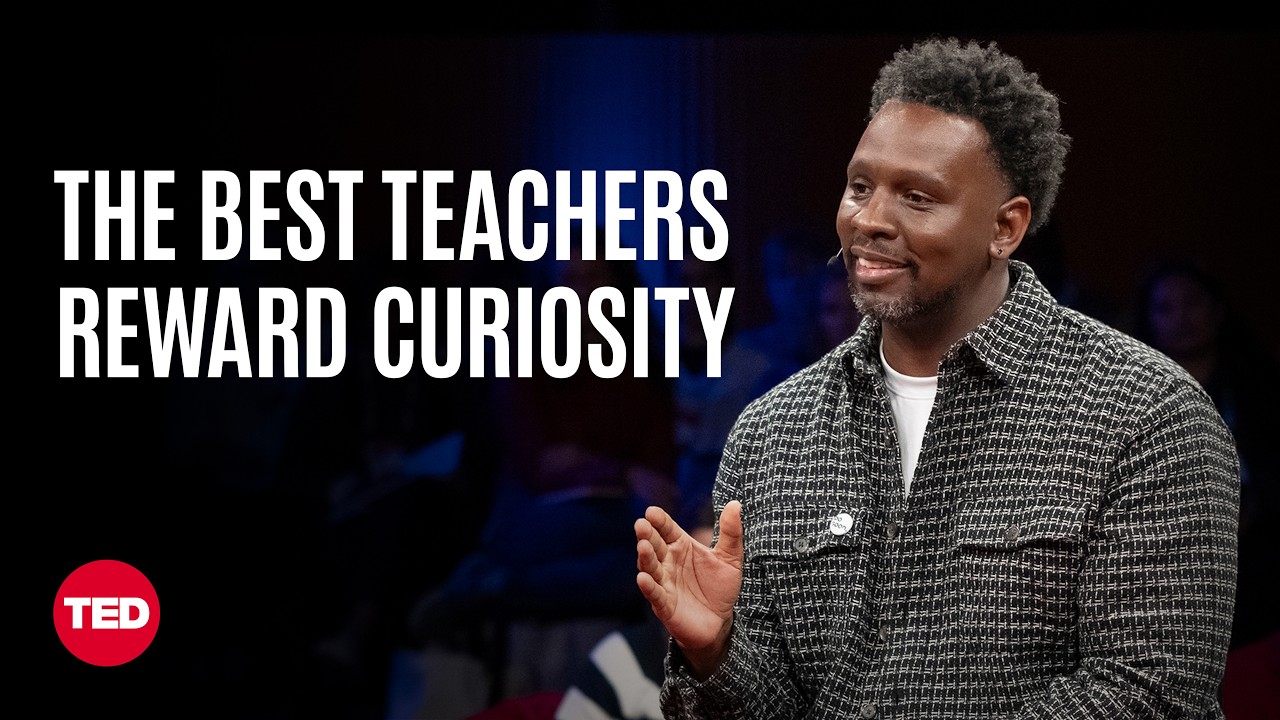
Why You Need the Growth Mindset of a Weed | Stephen Nobles | TED
Educator Stephen Nobles believes curiosity is the key to unlocking a student’s potential. In conversation with TED’s Whitney Pennington Rodgers, he encourages teachers to see every student through a lens of possibility — and asks what each of us might be missing when we let our assumptions go unchallenged. (Recorded at TEDNext 2025 on November…
People & Blogs
Sometimes common ground starts with what both sides can’t afford to lose. #TEDTalks
What if the path to peace starts with self-interest? After four decades inside some of the world’s most dangerous conflict zones, mediator Hiba Qasas has learned that most peacebuilding efforts get it wrong from the start. She makes a provocative case that conciliation shouldn’t begin with empathy — and reveals how leading with shared incentives…

People & Blogs
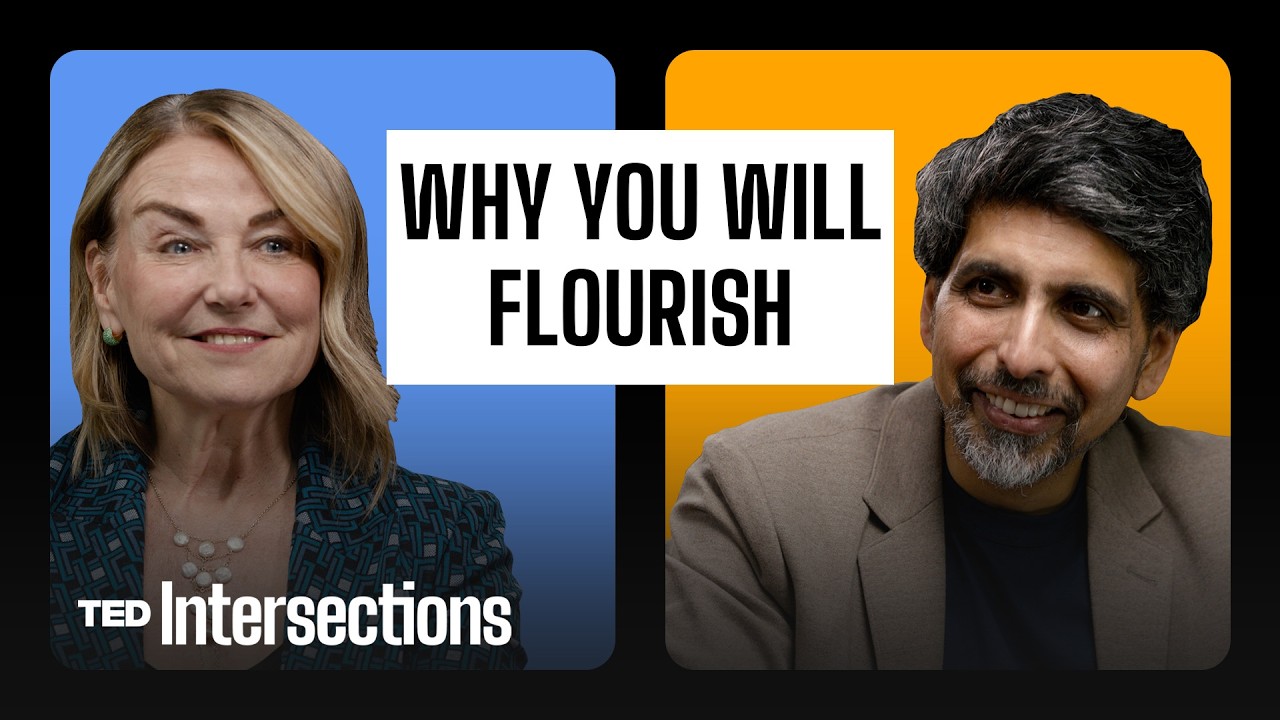
Why the Future is Human … Plus AI | Esther Perel and Sal Khan
As AI reshapes work, school and love, what part of being human can’t a machine take over? In a wide-ranging conversation, psychotherapist Esther Perel and TED’s vision steward Sal Khan provide their unique takes on the answer. From personalized learning and AI companions to “emotional capitalism” and the rituals we create to live with uncertainty,…

Apple Makes Some Cuts in Hardware Engineering to Speed Up Development

Why Apple’s Vision Pro Is Struggling Compared to Meta’s VR Glasses

US Suspends Visa Program for Tech Firms Including Microsoft
-

 Science & Technology6 years ago
Nitya Subramanian: Products and Protocol
-

 People & Blogs5 years ago
Sleep Expert Answers Questions From Twitter ???? | Tech Support | WIRED
-

 CNET6 years ago
Ways you can help Black Lives Matter movement (links, orgs, and more) ????????
-

 Wired7 years ago
How This Guy Became a World Champion Boomerang Thrower | WIRED
-

 Wired7 years ago
Neuroscientist Explains ASMR’s Effects on the Brain & The Body | WIRED
-

 Wired7 years ago
Why It’s Almost Impossible to Solve a Rubik’s Cube in Under 3 Seconds | WIRED
-

 Wired7 years ago
Former FBI Agent Explains How to Read Body Language | Tradecraft | WIRED
-

 CNET7 years ago
Surface Pro 7 review: Hello, old friend ????
@TomfooleryVA
August 8, 2026 at 1:33 pm
Stan is entirely correct here. It doesn’t matter how absolutely outrageous something is, as long as it makes sense within the rules that are established for the world the story takes place in people will enjoy it. There must be some grounding of logic even if the explanation comes later.
One example off the top of my head is Korra from the Legend of Korra when she suddenly starts airbending. All of her other bending that she knows how to do has been locked by Amon with his bloodbending. She’s in a crisis situation and suddenly starts airbending to defeat Amon. But it was already HEAVILY established that she has not been able to airbend AT ALL yet because of her mentality and aggressive nature. That NEVER changes at all before then and she is literally just throwing punches which isn’t what airbending is formed around whatsoever. It doesn’t make sense and it’s unsatisfying because she just STARTS DOING IT without much if any character growth for her to be able to even understand the bending style.
We see the opposite with Aang learning earthbending. Same situation with him not being able to earthbend AT ALL because of his mentality. He has to go through training and a bit of growth as a character to understand that some problems he can’t try to work around and he must face head on. Toph helped him develop a backbone and a degree of stubbornness so he could earthbend for the first time that gradually developed over the course of the show as earthbending actually becomes his second most used element.
@Stricken555
August 9, 2026 at 12:17 pm
He’s been dead for 8 years
@TomfooleryVA
August 9, 2026 at 12:44 pm
@Stricken555Ok? Videos can last a lot longer than 8 years.
@Stricken555
August 9, 2026 at 12:53 pm
@TomfooleryVAjust wasn’t sure if you were aware, given your novel length response
@TomfooleryVA
August 9, 2026 at 12:59 pm
@Stricken555The length of my response has nothing to do with whether or not someone is alive or dead. I was just using examples illustrating why he was correct.
@Stricken555
August 9, 2026 at 1:06 pm
@TomfooleryVA*face palm* whatever dude
@thinkbeyond3457
August 8, 2026 at 1:40 pm
National treasure! 🥲
@saragandey8625
August 8, 2026 at 1:46 pm
Wonderful visionary