
People & Blogs
Ukraine’s surprise drone strike on Russia marks a major milestone in the conflict. #TEDExplains
Political scientist Ian Bremmer breaks down how the Ukrainians pulled off the astonishing attack, the risk of nuclear retaliation from Putin and why “asymmetric warfare” is here to stay.











People & Blogs
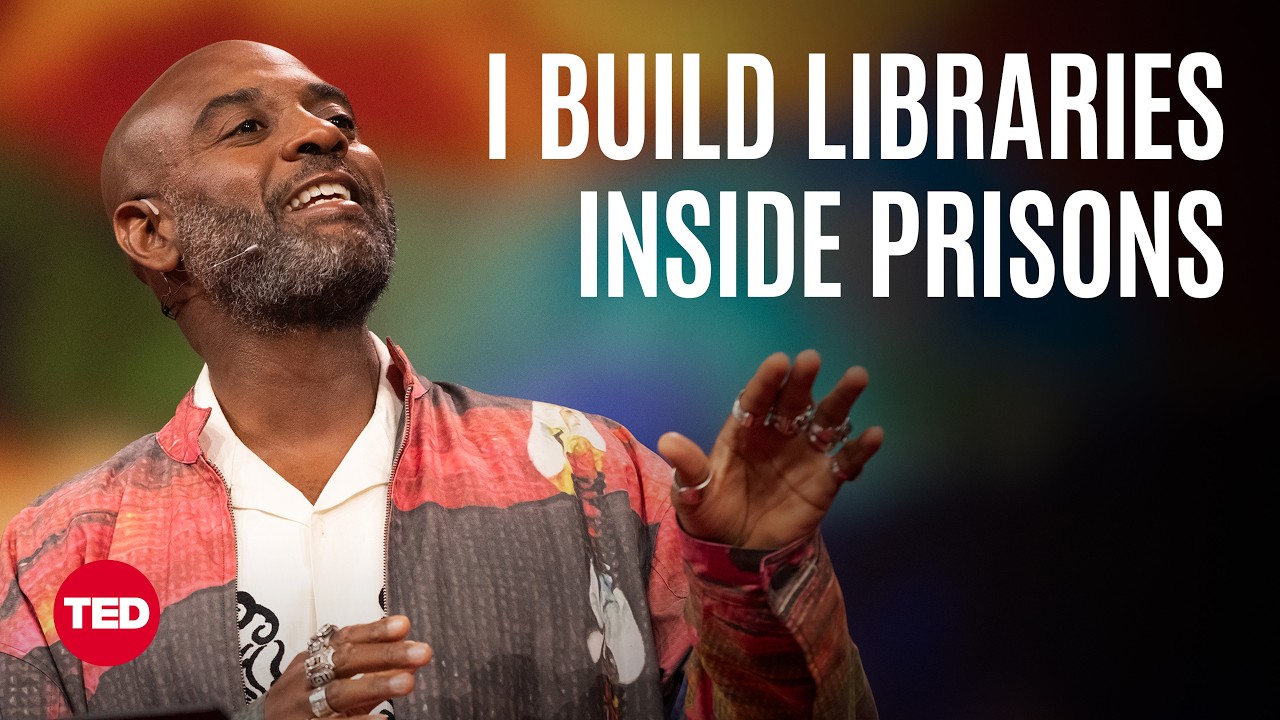
Why I’m Building Libraries Inside Prisons | Reginald Dwayne Betts | TED
At age 16, Reginald Dwayne Betts was sentenced to nine years in prison. He turned to books to help hold onto his sanity — and developed a belief that we find what we look for, even in the toughest places. Now a lawyer and poet, he’s opened hundreds of Freedom Libraries inside prisons across the…
People & Blogs
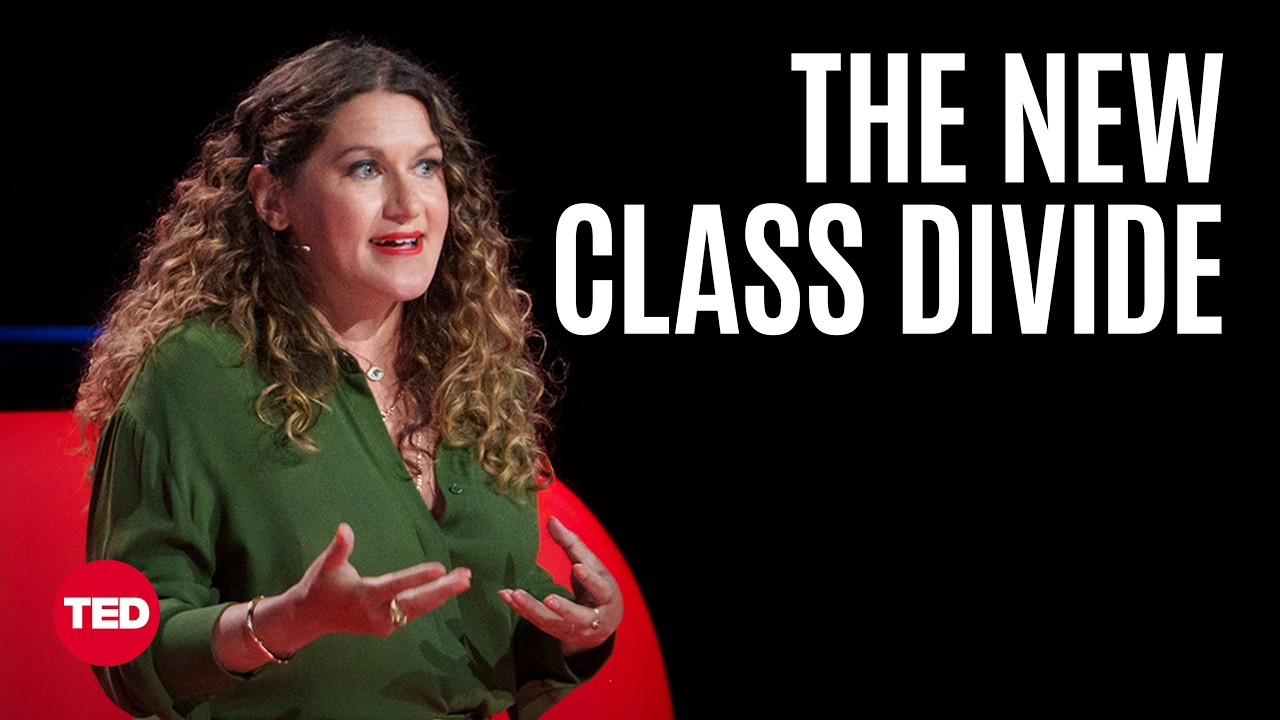
How the Wealth Gap Is Reshaping Politics | Xochitl Gonzalez | TED
Wealth inequality gets talked about as an economic problem. Writer Xochitl Gonzalez makes the case that it’s a civic one, too — a slow, quiet threat to democracy. Drawing on her research into the psychology of social class, she shows how growing up with (or without) money changes how we experience politics, community and society.…
People & Blogs
The original cosmic hit #TEDTalks
What sound came after the Big Bang? Astronomer Mark Whittle takes us back to the infant cosmos, where massive sound waves pulsed through primordial gas in a pattern that’s still traceable across the universe today. Working with sound artist Ander Mikalson and composer Caroline Shaw, he turns those ancient tones into a glorious, awe-inspiring choral…


Intero Biosystems Wins Startup Battlefield for its Lab-Grown Digestive Systems

Bluesky’s Leadership Thinks Social Can Still Start Over | Disrupt 2026

Why Most Deep Tech Startups Stall Between Prototype and Production | Disrupt 2026

Nitya Subramanian: Products and Protocol

Sleep Expert Answers Questions From Twitter ???? | Tech Support | WIRED

Ways you can help Black Lives Matter movement (links, orgs, and more) ????????
Intero Biosystems Wins Startup Battlefield for its Lab-Grown Digestive Systems
Bluesky’s Leadership Thinks Social Can Still Start Over | Disrupt 2026
Why Most Deep Tech Startups Stall Between Prototype and Production | Disrupt 2026
-
 Science & Technology6 years ago
Nitya Subramanian: Products and Protocol
-
 People & Blogs5 years ago
Sleep Expert Answers Questions From Twitter ???? | Tech Support | WIRED
-
 CNET6 years ago
Ways you can help Black Lives Matter movement (links, orgs, and more) ????????
-

 Wired7 years ago
How This Guy Became a World Champion Boomerang Thrower | WIRED
-

 Wired7 years ago
Neuroscientist Explains ASMR’s Effects on the Brain & The Body | WIRED
-

 Wired7 years ago
Why It’s Almost Impossible to Solve a Rubik’s Cube in Under 3 Seconds | WIRED
-

 Wired7 years ago
Former FBI Agent Explains How to Read Body Language | Tradecraft | WIRED
-

 Entertainment6 years ago
Former CIA Chief of Disguise Breaks Down Cold War Spy Gadgets | WIRED
@tcauton4861
June 4, 2025 at 12:10 pm
Love the Trojan Trucks, they really perked me up!
@ronwest7930
June 4, 2025 at 12:21 pm
Striking Russia while making a peace deal? Stupid. A lot of people may die because of this action.
@karolgutkowski4678
June 4, 2025 at 4:16 pm
As if Russia stopped strikes on civilian and military targets during previous talks. Only language Russia understands is power.
@Dr.exsack
June 5, 2025 at 9:15 am
Did you say that about Russia last time?
@naganwhat8364
June 4, 2025 at 12:54 pm
Drone attacks during peace negotiations, yeah i do wonder if this will escalate the conflict… The contradiction is crazy
@finbharasa7777
June 4, 2025 at 10:24 pm
Russia never agreed to a ceasefire. This drone strike was completely justified because Ukraine is still being invaded. Russia is the agressor and all they have to do to make the conflict stop is a agree to a peace deal. Putin has refused to do so. Get your facts straight
@danieldobleman1279
June 4, 2025 at 10:33 pm
Bringing the war closer to Russia the Russian people will force Putin to make a peace deal. That’s how war works. I don’t listen to the people who lost the Korean and Vietnam wars, and who gave away Eastern Europe to the Communists. Putin’s a dictator but he’s a dictator who wants to stay alive and keep his power so he won’t go nuclear. He knows how to scare weak Democrats.
@ryansandwich1086
June 4, 2025 at 12:57 pm
Can we get some complete sentences?
@Kentaj35
June 4, 2025 at 2:07 pm
lol
@mihaifogoros3498
June 5, 2025 at 12:55 am
How stupid can you be to call a terorist attack a “drone strike”? How effing dumb can you be to not know the simple basic rules of any war? What ukraine is doing by these “surprise attacks” as they are called by western propaganda…are by the book terorist attacks. Simple. How the f can you encourage such things when in paralel they want peace talks???
@Dr.exsack
June 5, 2025 at 9:12 am
Attacking military targets in a war is not a terrorist attack!
@mosthighindweller
June 5, 2025 at 4:57 am
Dronelenesky succeed, but he failed to bring goons to the region