
Hugging Face’s Mitchell: Google’s Gemini Issues Are Fixable
The Google Gemini fiasco has yet again brought issues surrounding ethics, safety and responsibility in artificial intelligence to the forefront. Hugging Face Researcher and Chief Ethics Scientist, Margaret Mitchell joins “Bloomberg Technology” to talk about Gemini and the SEC probe into OpenAI.

People & Blogs
I Thought I Was Lazy. Turns Out I Had a Sleep Disorder | Lindsay Scola | TED
For more than two decades, sleep health educator Lindsay Scola attributed her never-ending exhaustion to long hours and demanding jobs. When she was diagnosed with narcolepsy, she finally got the wake-up call that transformed her life. In this rousing talk, she discusses the epidemic of undiagnosed sleep disorders and encourages you to ask yourself: Is…
CNET
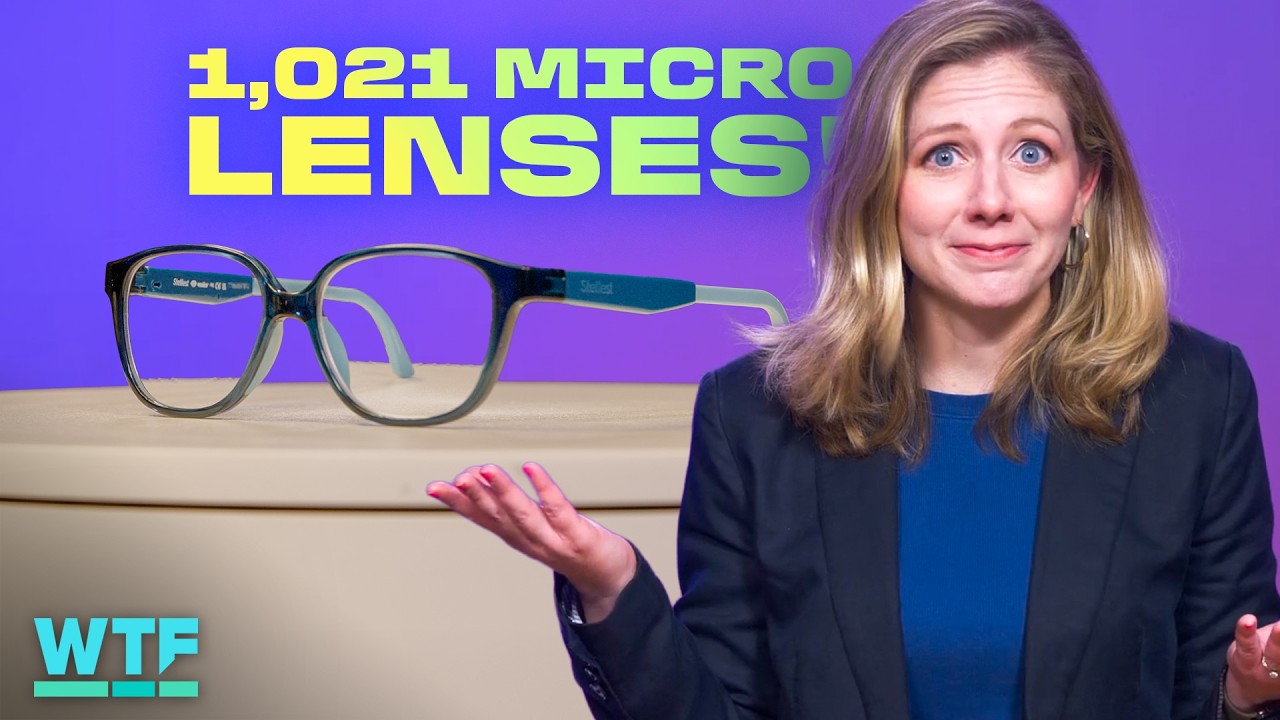
Breakthrough Glasses Slow Myopia in Kids — What It’s Like to Order Stellest
Half the world’s population is expected to be nearsighted in 25 years, and eye care professionals are pushing new treatments to slow the progression of worsening vision in kids. Essilor Stellest glasses became the first eyeglasses approved by the US Food and Drug Administration for controlling myopia in kids. Bridget Carey discovered her daughter is…
People & Blogs
Campaigns Spend Millions to Influence Voters. This Works Better | Katie Paris | TED
Katie Paris quit her career in Washington, DC, to figure out how to make politics feel less like strangers shouting at each other and more like friends looking out for each other. In this practical talk, she reveals why conversations between real people can have a bigger impact on elections than anything millions of campaign…


I Thought I Was Lazy. Turns Out I Had a Sleep Disorder | Lindsay Scola | TED

Breakthrough Glasses Slow Myopia in Kids — What It’s Like to Order Stellest

Campaigns Spend Millions to Influence Voters. This Works Better | Katie Paris | TED

Nitya Subramanian: Products and Protocol

Sleep Expert Answers Questions From Twitter ???? | Tech Support | WIRED

Ways you can help Black Lives Matter movement (links, orgs, and more) ????????
I Thought I Was Lazy. Turns Out I Had a Sleep Disorder | Lindsay Scola | TED
Breakthrough Glasses Slow Myopia in Kids — What It’s Like to Order Stellest
Campaigns Spend Millions to Influence Voters. This Works Better | Katie Paris | TED
-
 Science & Technology6 years ago
Nitya Subramanian: Products and Protocol
-
 People & Blogs5 years ago
Sleep Expert Answers Questions From Twitter ???? | Tech Support | WIRED
-
 CNET6 years ago
Ways you can help Black Lives Matter movement (links, orgs, and more) ????????
-

 Wired7 years ago
How This Guy Became a World Champion Boomerang Thrower | WIRED
-

 Wired7 years ago
Neuroscientist Explains ASMR’s Effects on the Brain & The Body | WIRED
-

 Wired7 years ago
Why It’s Almost Impossible to Solve a Rubik’s Cube in Under 3 Seconds | WIRED
-
 Wired7 years ago
Former FBI Agent Explains How to Read Body Language | Tradecraft | WIRED
-

 Entertainment6 years ago
Former CIA Chief of Disguise Breaks Down Cold War Spy Gadgets | WIRED
@tribecalledshabbazz8758
February 29, 2024 at 3:57 pm
All code is fixable. People sensationalized this but I understand it’s new technology so and there’s a lot of hype so I understand why everyone reacted so viscerally.
@TheMagicJIZZ
February 29, 2024 at 8:18 pm
You can’t fix culture
@Utrilus
March 1, 2024 at 12:13 am
Not long as the HR fires anyone who speaks against woke choices.
@mickmoon6887
February 29, 2024 at 5:45 pm
Google’s Gemini Issues are not fixable until the employees who made those biases issues get fired instead in the recent layoffs most of the google employees opposing these biases were fired so is Google straight up lying to investors and the public seriously that’s new low anyone with a brain can see the inbetween lines and truth
Instead of fixing the fundamental model problem of Gemini this fixing by user intent is just hack method of course its the ethics scientist of Hugging face and its the same ethics department who encourages these bad biases out of any other department meaning no value in her so called expert opinion
Hugging Face should’ve brought their lead ai researcher
Other big tech company models such as Facebook sorry Meta model LLAMA don’t have these issue which can be tested with huggingface model and of course Meta hired them back