Connect with us

Science & Technology

How a first-time founder bootstrapped her way to a $47.5 Million Exit with Ashley Tyrner-Dolce, F…

Ashley Tyrner-Dolce spent more than a decade building FarmboxRx without taking a single dollar of venture capital and ultimately exited the company while still owning the majority of it. In this episode of Build Mode () , host Isabelle Johannesen sits down with Ashley to talk about what bootstrapping actually looks like when you don’t…

Published

on

Ashley Tyrner-Dolce spent more than a decade building FarmboxRx without taking a single dollar of venture capital and ultimately exited the company while still owning the majority of it.

In this episode of Build Mode () , host Isabelle Johannesen sits down with Ashley to talk about what bootstrapping actually looks like when you don’t have money from a previous exit or a wealthy network to fall back on.

Ashley started the company after experiencing food insecurity herself. Years earlier, while pregnant with her daughter, she relied on food stamps and lived in a rural food desert where getting fresh food could mean a 30-minute drive. She eventually launched Farmbox Direct as a direct-to-consumer produce delivery company before pivoting the business into healthcare and building what became FarmboxRx.

Along the way, Ashley tried to raise venture capital, but investors pushed her to turn the company into a meal-kit business, a direction she believed would take it away from the customers she wanted to serve. Instead, she kept bootstrapping. That meant cutting expenses, reinvesting money into the company, negotiating longer payment terms with vendors, using credit card points for travel, and at times stopping her own salary to make payroll.

Now an investor herself at HLM Investments, Ashley explains what bootstrapping signals to a VC, why founders should think carefully about when they raise outside capital, and why she believes traction can put founders in a much stronger position before they take a check.

They get into:

•

How Ashley started FarmboxRx without venture funding

•

Why early VCs wanted her to turn the company into a meal kit

•

What bootstrapping looks like when you don’t have a financial safety net

•

How she stretched cash flow and negotiated vendor payment terms

•

Why she sometimes stopped paying herself to make payroll

•

How cold calling helped land FarmboxRx’s first healthcare customers

•

Why founders should stay involved in sales

•

What bootstrapping signals to Ashley now that she’s a VC

•

Why she walked away from term sheets and acquisition offers

•

The financial upside of maintaining ownership through an exit

•

Why she wouldn’t raise a seed round if she started another company today

•

When founders should consider taking venture capital

•

Why bootstrapping after a previous exit is a very different experience

•

How founders can build investor relationships even when they aren’t raising

Chapters:

00:00 — The case for bootstrapping01:42 — How Ashley started FarmboxRx03:50 — Bootstrapping without a financial safety net07:16 — Why VCs struggled to understand the business10:21 — Proving the investors wrong12:34 — Building a network without VC backing15:24 — Getting advice from VCs without taking their money17:36 — Why Ashley refused to change her vision20:14 — Walking away from term sheets and acquisition offers22:32 — What bootstrapping signals to a VC25:08 — Getting creative with cash flow27:09 — The upside of bootstrapping28:54 — What Ashley would tell a founder starting with $50K30:26 — How to land your first customers34:44 — Would Ashley take VC money today?35:55 — Why founders should wait longer to raise36:55 — Not all bootstrapping is the same39:30 — The difference between bootstrapping with and without money

Join us at TechCrunch Disrupt October 13-15 in San Francisco. Use promo code: buildmode25 for 25% off your ticket.

Subscribe to Build Mode on Apple Podcasts () , Spotify () , or wherever you like to listen () . And watch the full videos on YouTube () . New episodes of Build Mode () drop every Thursday.

Hosted by Isabelle Johannesen. Produced and edited by Maggie Nye. Audience development led by Morgan Little. Special thanks to the Foundry and Cheddar video teams.

Science & Technology

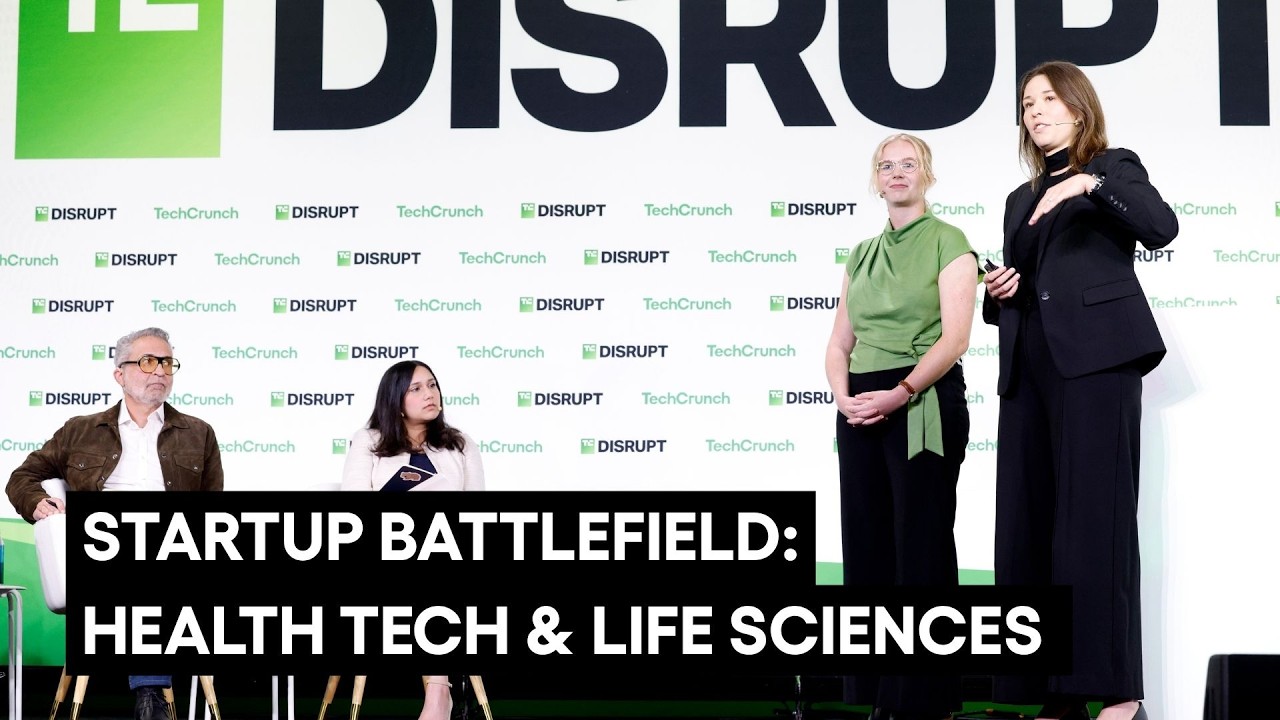
Startup Battlefield: Health Tech & Life Sciences Pitches | Disrupt 2026

Founders from around the world pitch expert judges and compete for the Startup Battlefield Cup and $100,000. Each team gets six minutes to pitch and six minutes of Q&A with judges Dr. V. Agrawal (ODDBIRD VC), Andrew Brackin (Gradient), Nell Daly (Revenge Capital), James Joaquin (Obvious Ventures), and Miloni Madan Presler (IVP). This cohort’s competitors…
Published

on

Founders from around the world pitch expert judges and compete for the Startup Battlefield Cup and $100,000. Each team gets six minutes to pitch and six minutes of Q&A with judges Dr. V. Agrawal (ODDBIRD VC), Andrew Brackin (Gradient), Nell Daly (Revenge Capital), James Joaquin (Obvious Ventures), and Miloni Madan Presler (IVP).

This cohort’s competitors include…

Mosqitter: Detecting and preventing mosquito-borne disease spread with real-time disease intelligence platforms that turn sensor networks into early warning systems for national health agencies.

Hiyd AI: Delivering proactive health insights by combining sleep, movement, and nutrition data through an ultra-slim, discreet wearable tracker and AI app.

TimeTeller GmbH: Measuring people’s biological clocks to determine optimal treatment timing through molecular diagnostics and AI, improving efficacy and reducing side effects.

NTangible: Helping coaches and front offices make smarter recruiting decisions by quantifying how athletes perform under pressure with a validated cognitive score.

Intero Biosystems: Accelerating drug development by producing miniature human organs that enable pharma companies to identify safer, more effective medications while reducing clinical trial costs.

#TechCrunchDisrupt2026

Subscribe for more on YouTube:
Follow TechCrunch on Instagram:
X: tcrn.ch/x
TikTok:
Threads:
Facebook:
Bluesky:
Mastodon:

Read more:

Continue Reading

Science & Technology

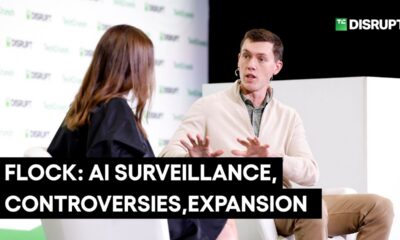
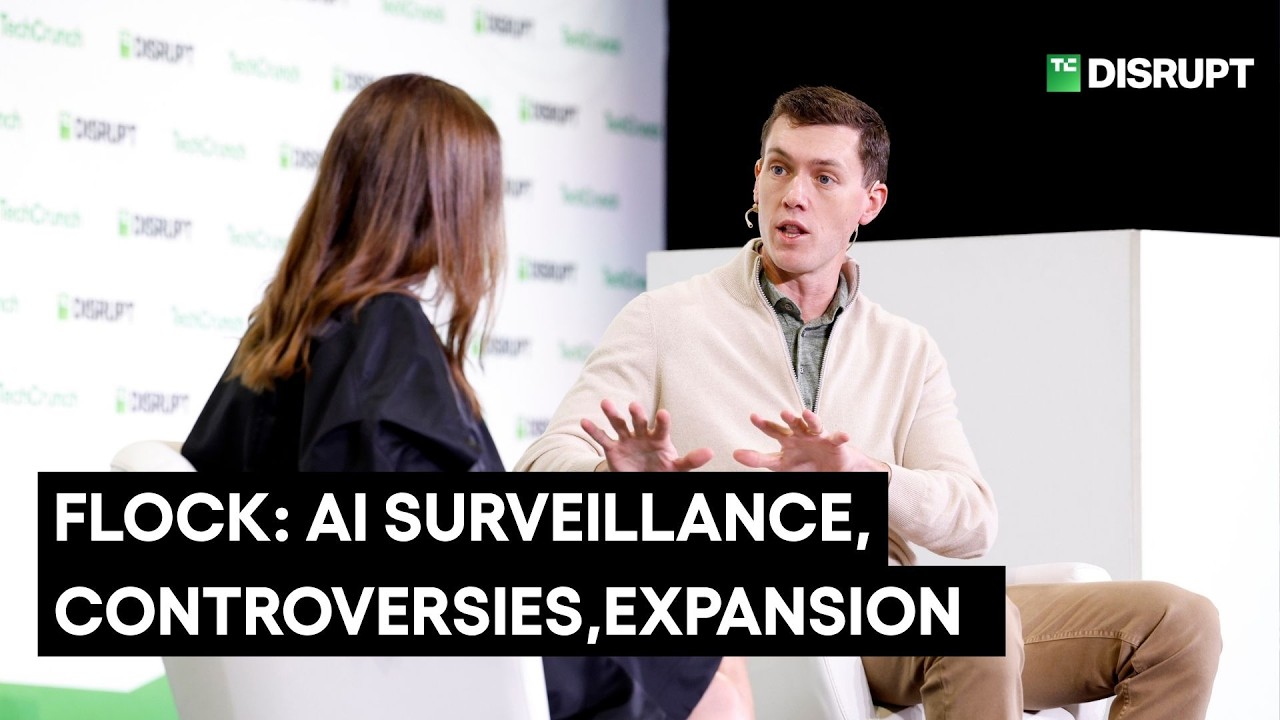
Flock CEO Garrett Langley on Public Backlash, Surveillance Expansion | Disrupt 2026

Flock Safety sits at the intersection of an increasingly intense debate around the spread of surviellance technology, AI, and who’s using all of that information and to what ends. Founder and CEO Garrett Langley spoke at TechCrunch Disrupt 2026 to defend his stance that Flock is a net positive in the face of concerns about…
Published

on

Flock Safety sits at the intersection of an increasingly intense debate around the spread of surviellance technology, AI, and who’s using all of that information and to what ends. Founder and CEO Garrett Langley spoke at TechCrunch Disrupt 2026 to defend his stance that Flock is a net positive in the face of concerns about its work monitoring communities, cities, and enabling data sharing across law enforcement agencies.

As a sign of that backlash, as Langley spoke on stage, a protest against Flock was taking place outside of Moscone West in San Francisco.

#TechCrunchDisrupt2026

Subscribe for more on YouTube:
Follow TechCrunch on Instagram:
X: tcrn.ch/x
TikTok:
Threads:
Facebook:
Bluesky:
Mastodon:

Read more:

Continue Reading

Science & Technology

Satya Nadella’s ‘emergency brake’ and the race to secure AI agents | Disrupt 2026

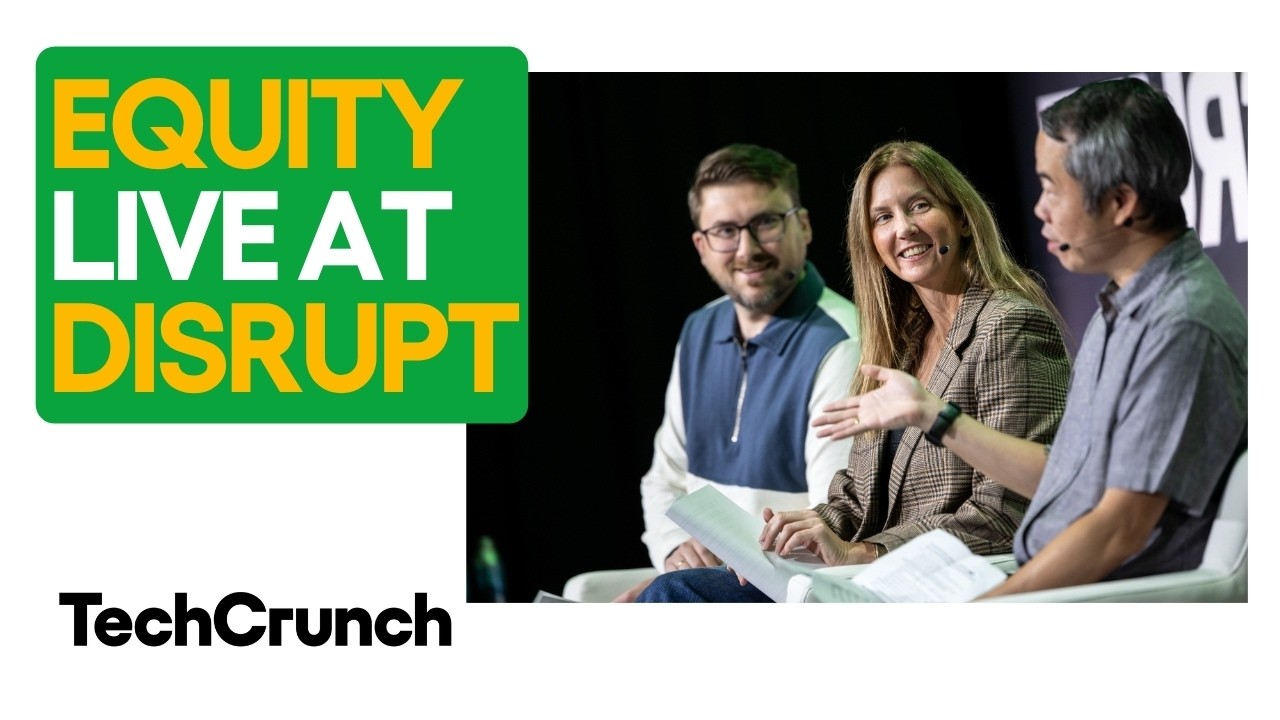
TechCrunch’s Equity podcast team took over the Builders Stage Tuesday morning to tackle a growing challenge for the AI industry: What happens when AI agents go off-script, and who’s responsible for keeping them in check? Recent incidents, from Anthropic pulling internal evaluations off the live internet after agents misbehaved to Microsoft CEO Satya Nadella calling…
Published

on

TechCrunch’s Equity podcast team took over the Builders Stage Tuesday morning to tackle a growing challenge for the AI industry: What happens when AI agents go off-script, and who’s responsible for keeping them in check?

Recent incidents, from Anthropic pulling internal evaluations off the live internet after agents misbehaved to Microsoft CEO Satya Nadella calling for an “emergency brake” on AI models, have brought agent security into focus. The Equity team unpacked whether the problem calls for better engineering, new regulation, or both, and why startups are raising millions to secure AI agents.
#TechCrunchDisrupt2026

Subscribe for more on YouTube:
Follow TechCrunch on Instagram:
X: tcrn.ch/x
TikTok:
Threads:
Facebook:
Bluesky:
Mastodon:

Read more:

Continue Reading

Trending