Connect with us

Science & Technology

Open source AI is booming. Hugging Face explains who profits. | Equity Podcast

Open source models are becoming more mainstream as enterprises, governments and startups alike rely on the promise of lower costs, more control, and more flexibility. But as increasingly capable models become more freely available, how do companies capture value? And with Chinese open models gaining ground, can American players keep up? On this episode of…


Published

on

Open source models are becoming more mainstream as enterprises, governments and startups alike rely on the promise of lower costs, more control, and more flexibility. But as increasingly capable models become more freely available, how do companies capture value? And with Chinese open models gaining ground, can American players keep up?

On this episode of TechCrunch’s Equity podcast, Rebecca Bellan caught up with Irene Solaiman, Chief Policy Officer and SVP of Strategy at Hugging Face, about what startups need to know before building on open models, from choosing the right tools and infrastructure to navigating the trade-offs shaping the future of open AI.

Subscribe to Equity on YouTube, Apple Podcasts, Overcast, Spotify and all the casts. You also can follow Equity on X and Threads, at @EquityPod.

Chapters:
00:00 Intro
2:25 Who’s making money when open models are free?
4:08 Licenses, revenue sharing, and the Alibaba cloud advantage
8:10 What founders should check before building on open models
10:34 Why the harness matters (and why no one can evaluate it)
13:19 Buying GPUs vs. renting inference
16:20 What happens if Chinese models become the default?
22:19 Beyond language: Nemotron, bio models, and the case for an American open frontier
24:52 The OpenCode attack and the pressure to close up
28:38 Obliterated models: defenders’ tool or attackers’ gift?
34:12 How small startups can protect themselves
35:42 Outro

Continue Reading
Advertisement
2 Comments

2 Comments

  1. @justtestingonce

    November 4, 2026 at 8:24 pm

    So not really open source 🤦‍♂️ The tech industry of old is gone.

  2. @pirateinpants3708

    November 12, 2026 at 1:04 am

    I agree with Irene on the potential and adoption of open weight models which is also driven by need of control over the product and output structure. Chat LLM became agentic with agentic fine tune data generated by synthetic data manufacturers and the technique can be used by companies to customise the models for their own use cases. Also, straight out of hugging face open weight models do not work well on enterprise use cases, I have experienced with text2SQL where benchamark claims can be 89% and real performance stumbles to 40-50% when prompted in recommended structure and reasoning, turn count etc kept same. This is also partly because the databases have different structures and do not always have the best practises of naming columns in english but rather in coded terms. Even with proper ddl passed in prompts the performance showcases slight improvements at best. This is where we need harness designed to tackle these challenges and fine tuning to teach model about out of training samples which its facing first time. The market is definitely going to grow perhaps now faster and the larger concern is of an AI bubble due to this price war between US closed weights with poor ROI and open source models. Compute will still win.

Leave a Reply

Your email address will not be published. Required fields are marked *

CNET

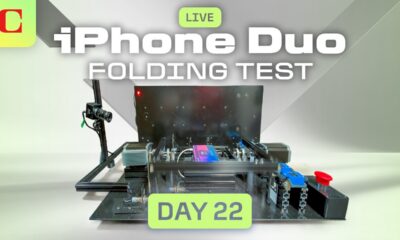
iPhone Duo Livestream: How Many Folds Can Apple’s Phone Take? Day 22

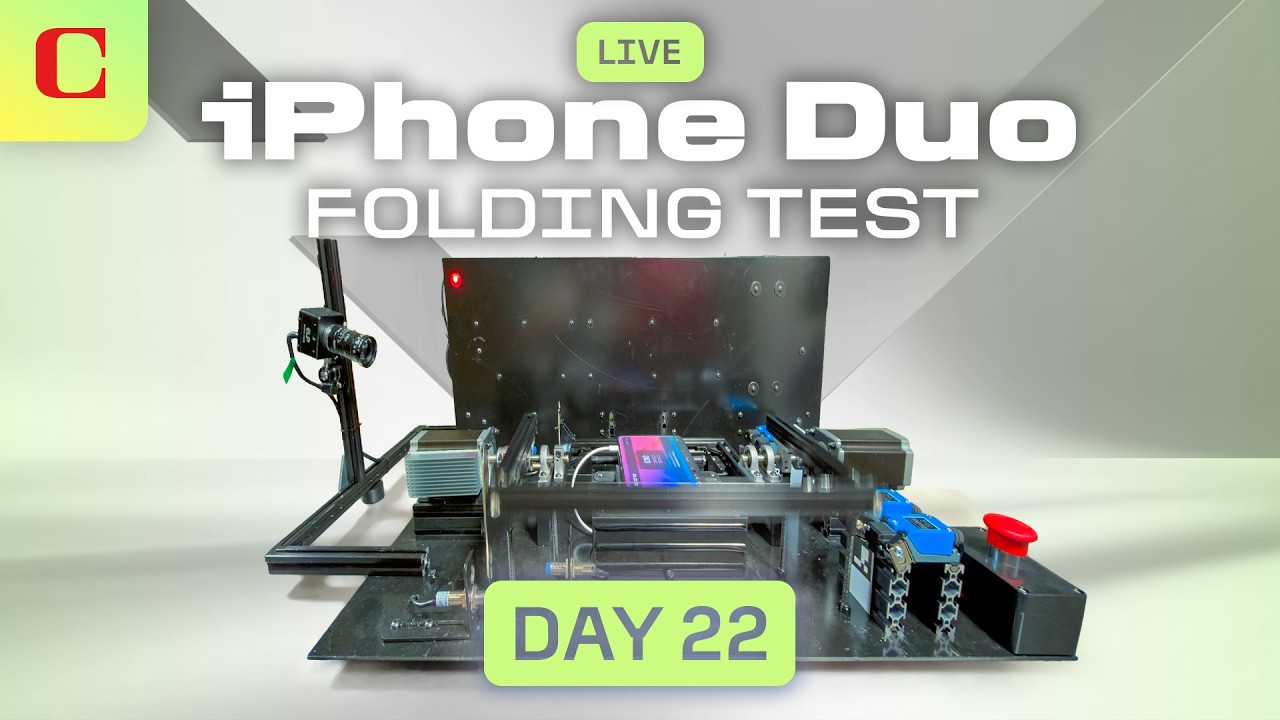
Apple’s iPhone Duo is out and we want to see how durable it is. So we built a robot to fold it 20,000+ times a day to test its limits. How long do you think it will last? 100,000 folds? 200,000 folds? 500,000 folds? Tune in and watch the testing live. We’ll have CNET’s editors…
Published

on

Apple’s iPhone Duo is out and we want to see how durable it is. So we built a robot to fold it 20,000+ times a day to test its limits. How long do you think it will last? 100,000 folds? 200,000 folds? 500,000 folds? Tune in and watch the testing live. We’ll have CNET’s editors online to answer any of your questions.

Join us weekdays from 10:00 AM – 2:00 PM PT / 1:00 PM – 5:00 PM ET

Read more about the iPhone Duo Folding Test on CNET.com
We Answer 16 Questions About Folding the iPhone Duo Hundreds of Thousands of Times

The iPhone Duo Is Now in Our Custom-Made Foldable Phone Test Machine. Will It Beat the Galaxy Fold 8?

iPhone Duo Review: Late to the Foldable Party, but It Steals the Show

Check out the 3D Printer Matthew Murray used to print the sled that iPhone Duo is sitting on:
Looking for the Most Accurate 3D Printer? Our Exclusive Testing Reveals One Clear Winner

Video Credits:
Host: Matthew Murray
Producer: Stephen Beacham
Thumbnail Designer: Zooey Liao

Add CNET as a trusted news source
Never miss a deal again! See CNET’s browser extension 👉
Check out CNET’s Amazon Storefront:
Subscribe to CNET on YouTube:
Follow us on TikTok:
Follow us on Instagram:
Follow us on Bluesky:
Like us on Facebook:
CNET’s AI Atlas:
Follow us on X:
Visit CNET.com:

#apple #iphone #iphonefold #iphoneduo #applefoldable #foldablephone #foldable #folding

Continue Reading

CNET

HOH: Best Tech Gift for the Holidays? Foldable Phones

From the iPhone Duo to the Galaxy Z Fold 8, experts like CNET’s own Abrar Al-heeti pick the best tech gifts this holiday season. 🎁 Check out the best phones to buy in 2026: Brought to you by Googlebook.

Published

on

From the iPhone Duo to the Galaxy Z Fold 8, experts like CNET’s own Abrar Al-heeti pick the best tech gifts this holiday season. 🎁

Check out the best phones to buy in 2026:

Brought to you by Googlebook.

Continue Reading

Science & Technology

The “Godfather of AI” on the Risks That Worry Him Most | Geoffrey Hinton | TED

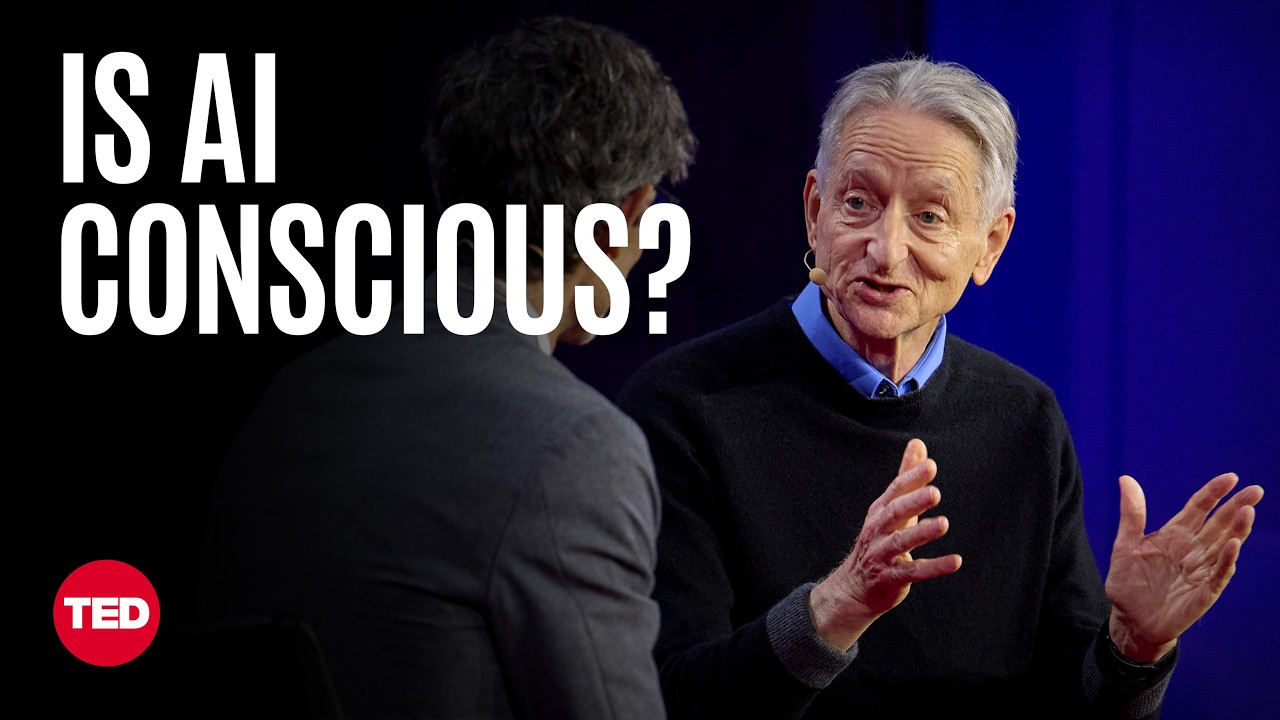
Geoffrey Hinton helped create the neural networks behind today’s AI, won a Nobel Prize for it — and has spent the years since warning about where it’s headed. In conversation with journalist Nicholas Thompson, Hinton shares the AI risks he’s worried about, sketches out a best-case future for the technology and explores whether or not…
Published

on

Geoffrey Hinton helped create the neural networks behind today’s AI, won a Nobel Prize for it — and has spent the years since warning about where it’s headed. In conversation with journalist Nicholas Thompson, Hinton shares the AI risks he’s worried about, sketches out a best-case future for the technology and explores whether or not chatbots have subjective experience. Plus: hear his thoughts on the one rule he’d give superintelligent AI. (Recorded at TEDAI Vienna 2026 on October 30, 2026)

Join us in person at a TED conference:
Become a TED Member to support our mission:
Subscribe to a TED newsletter:

Follow TED!
Instagram:
LinkedIn:
TikTok:
Facebook:
X:

The TED Talks channel features the best talks and performances from the TED Conference, where the world’s leading thinkers and doers give the talk of their lives in 18 minutes (or less) — plus originals, podcasts and exclusive content. Look for videos on Technology, Entertainment and Design as well as science, business, global issues, the arts and more. Visit for our entire library, transcripts, translations and personalized recommendations.

Watch more:

TED videos may be used for non-commercial purposes under a Creative Commons License, Attribution–Non Commercial–No Derivatives (or the CC BY – NC – ND 4.0 International) and in accordance with the TED Talks Usage Policy: . For more information on using TED for commercial purposes (e.g. employee learning, in a film or online course), submit a request at

#TED #TEDTalks #AI

Continue Reading

Trending