
Architecting the Future: Building Hardware for an AI-Native World | TechCrunch Disrupt 2024
AI-driven hardware is transforming enterprise operations. This panel discussion will address the complexities of building AI-native ecosystems, the role of generative AI in reshaping enterprise technology, and the practical implications for developing scalable AI solutions. Our moderator Lee Ott from HP’s AI Innovation team will be joined by Carl Pei (Nothing phone), Jerry Yue (Brain.ai)…

People & Blogs
In a world of endless health advice, clarity and context might be the best prescription #TEDTalks
Why does searching your symptoms online always leave you more frightened than before? As former chief medical officer of WebMD, physician John Whyte spent years believing more information meant better health — until he saw how too much of it was making people spiral. In a world of health influencers, algorithms and AI tools designed…
CNET
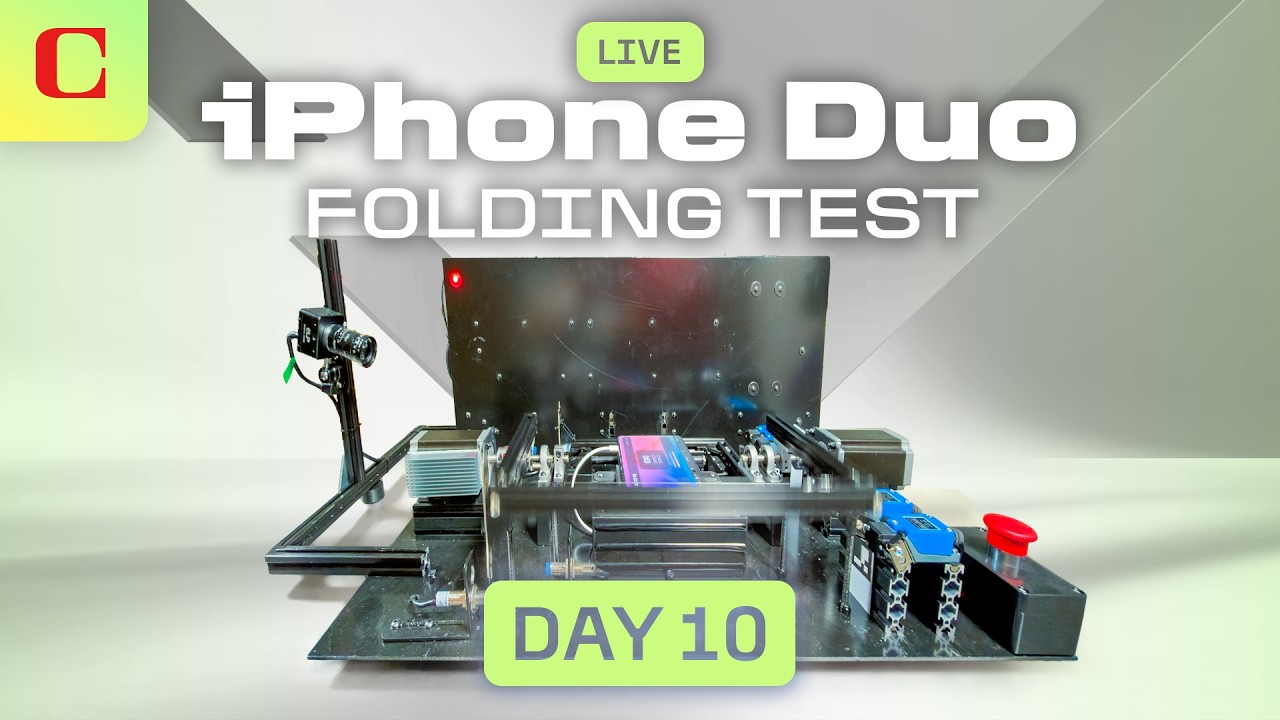
iPhone Duo Livestream: How Many Folds Can Apple’s Phone Take? Day 10
Apple’s iPhone Duo is out and we want to see how durable it is. So we built a robot to fold it 20,000+ times a day to test its limits. How long do you think it will last? 100,000 folds? 200,000 folds? 500,000 folds? Tune in and watch the testing live. We’ll have CNET’s editors…
Bloomberg Technology
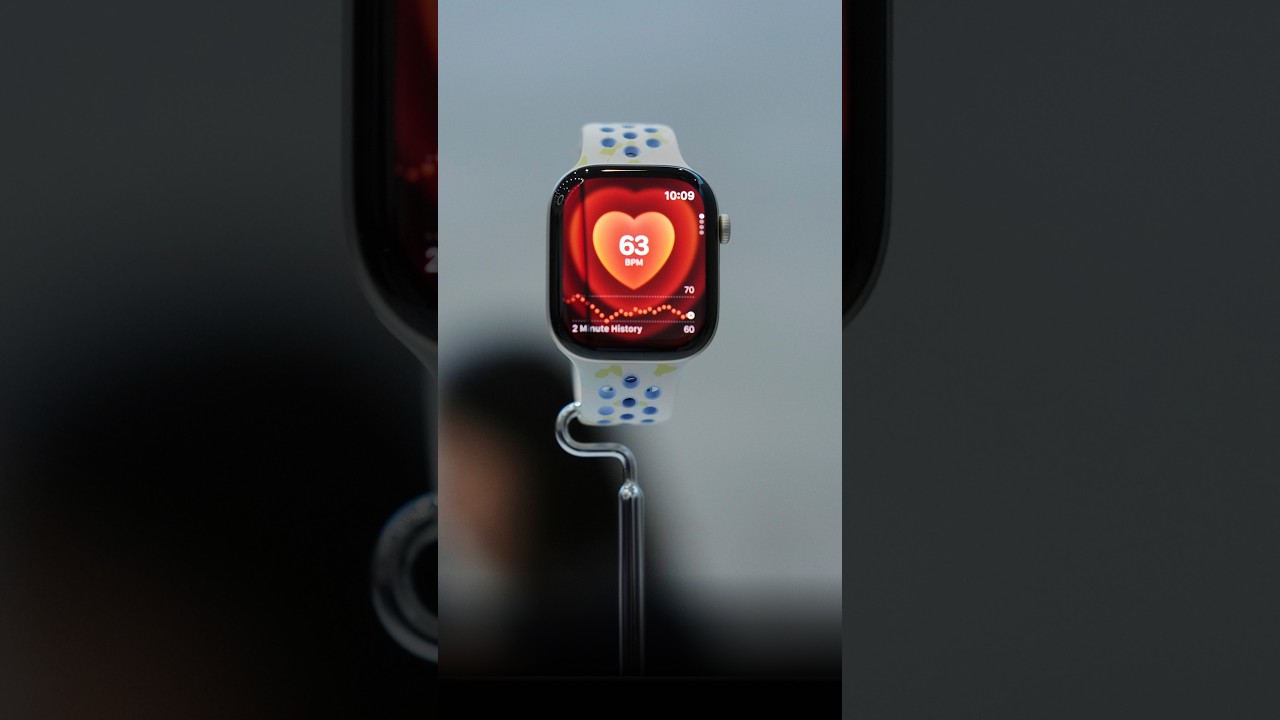
Power On: How Private Is an Always-Listening Apple Watch?
Apple is bringing some its most ambitious AI capabilities to its products. As AI becomes increasingly woven into daily life, questions over privacy are likely to follow. On this episode of the Power On podcast, Mark Gurman and Vlad Savov discuss privacy implications of new always-listening Apple Watch features. ——– Like this video? Subscribe to…

In a world of endless health advice, clarity and context might be the best prescription #TEDTalks

iPhone Duo Livestream: How Many Folds Can Apple’s Phone Take? Day 10

Power On: How Private Is an Always-Listening Apple Watch?
-

 Science & Technology6 years ago
Nitya Subramanian: Products and Protocol
-

 People & Blogs5 years ago
Sleep Expert Answers Questions From Twitter ???? | Tech Support | WIRED
-

 CNET6 years ago
Ways you can help Black Lives Matter movement (links, orgs, and more) ????????
-
 Wired7 years ago
How This Guy Became a World Champion Boomerang Thrower | WIRED
-

 Wired7 years ago
Neuroscientist Explains ASMR’s Effects on the Brain & The Body | WIRED
-
 Wired7 years ago
Why It’s Almost Impossible to Solve a Rubik’s Cube in Under 3 Seconds | WIRED
-
 Wired7 years ago
Former FBI Agent Explains How to Read Body Language | Tradecraft | WIRED
-

 Entertainment6 years ago
Former CIA Chief of Disguise Breaks Down Cold War Spy Gadgets | WIRED
@lOlPnVnV
October 30, 2024 at 6:16 pm
Qui a besoin d’une bonne fée quand on a une barrette au poignet et une réserve de chocolat dans son sac ????
@noelsaw
November 2, 2024 at 11:28 am
First.
@iganmak
November 2, 2024 at 1:39 pm
I was surprised to hear those things from such smart people.
1. The future of AI native for it to be like human to human communication. No! AI is so much more powerful than humans in the means of communication already now!
AI will communicate by generating graphics, video, 3D models, virtual worlds, augmenting real world view, different kinds of sounds and haptics in any part of the human body where they’d want to have a wearable.
2. “I do not know how to distribute agents” – really? Just think of agents as new intelligent being populating our world. How are people with their services distributed? They are responding to the ads, applying for jobs and being hired. Then they just do their work. They have to be educated and trained as well. AI will be no different, on a higher level of abstraction. In practice they will not be interviewed by phone or face to face in the office of course. They will just certify themselves on trusted resources, get certificates with scores and register themselves in the search databases to start receiving requests for their skills and resources to be utilized.
3. “I do not think there will be another form factor any time soon”. Are you aware of the progress smart glasses are making?
4. “Touch screen will not go away any time soon”. Really? Why touch the screen if with smart glasses with eye tracking there is not to tap the screen. And with virtual or augmented reality one can tap virtual objects in 3D space rather than on a flat small screen.