Connect with us

Science & Technology

Learn What VCs Actually Want, From a Founder Who’s Raised $1B l Build Mode

Investors want founders who understand the financial reality of their business. Messy data, misunderstood metrics, or waiting until you’re nearly out of cash to start fundraising can cost founders leverage, valuation, and even a term sheet. In this episode of Build Mode, host Isabelle Johannesen sits down with Sasha Orloff, founder and CEO of Puzzle…


Published

on

Investors want founders who understand the financial reality of their business. Messy data, misunderstood metrics, or waiting until you’re nearly out of cash to start fundraising can cost founders leverage, valuation, and even a term sheet.

In this episode of Build Mode, host Isabelle Johannesen sits down with Sasha Orloff, founder and CEO of Puzzle and Startup Battlefield alum, to talk about what he’s learned from building companies that have raised more than $1 billion collectively.

Sasha breaks down what investors look for during fundraising, which financial metrics founders should know by heart, and why VCs don’t expect your startup to be perfect—they expect you to understand its reality. He also shares how he nearly lost a term sheet because his data room wasn’t ready, how fundraising diligence changes as a startup grows, and why getting your financial house in order can help founders raise with more confidence and leverage.

They get into:
– What raising more than $1 billion across multiple companies taught Sasha about fundraising
– Why investors value founders who have a strong grasp of their company’s financial reality
– The financial metrics founders should know before pitching VCs
How investor expectations change from pre-seed and seed through Series A, B, and beyond
– Why revenue growth and the quality of that revenue are critical fundraising metrics
– How runway, margins, sales efficiency, and profitability factor into investor decisions
– Why waiting until you’re running out of cash can hurt your fundraising leverage
– How Sasha nearly lost a term sheet because his data room wasn’t ready
– Why financial organization and compliance can influence investor confidence and startup valuations
– What founders should have prepared for the due diligence process
– Why VCs don’t expect perfection—and why being honest about what isn’t working can make for a stronger pitch
– How Sasha’s own fundraising and finance frustrations ultimately led him to build Puzzle
– How AI could change the way startups manage accounting and understand their financial health

Chapters:
00:00 – Why VCs Want Founders Who Understand Reality
01:26 – Sasha Orloff’s Journey to Building Puzzle
05:05 – Why Puzzle Started With Startup Founders
08:38 – What Founders Should Know Before Fundraising
11:08 – What Investors Look for During Due Diligence
14:37 – Understanding the Financial Health of Your Startup
17:52 – The Financial Mistakes Founders Make
20:19 – When Startups Need Accountants and Finance Teams
24:04 – How Sasha Almost Lost a Term Sheet
26:10 – The Financial Metrics Founders Should Know Cold
28:20 – Lessons From Raising $1B+ Across Multiple Companies
31:45 – Why Financial Readiness Matters to Investors
33:49 – How AI Is Changing Startup Accounting
37:17 – Inside Puzzle’s Series A With General Catalyst
38:52 – Launching Puzzle at Startup Battlefield
40:38 – Sasha’s Advice for Early-Stage Founders

Subscribe to Build Mode:
Apple Podcasts
Spotify
Wherever you like to listen
New episodes of Build Mode drop every Thursday.

Continue Reading
Advertisement
1 Comment

1 Comment

  1. @sdmarlow3926

    August 20, 2026 at 1:54 pm

    Low audio levels in tech-related videos will still be a thing 20 years from now.

Leave a Reply

Your email address will not be published. Required fields are marked *

CNET

I Tried “Smart” Basketball Tech, and Now I Can’t Stop Shooting | STAT

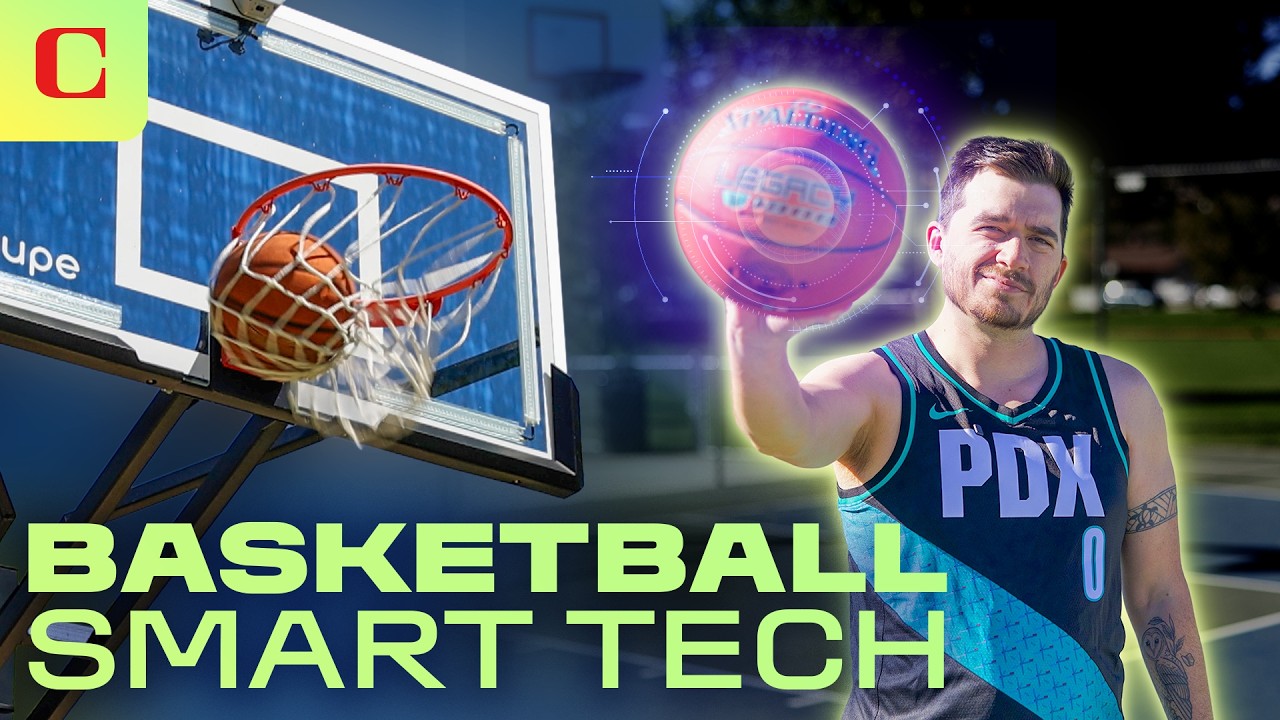
CNET Senior Video Producer, Owen Poole examines consumer-grade basketball technology that is comparable to what the pros use. Can a smart ball and a smart hoop actually help improve your jump shot, and what does widely available smart training mean for the future of basketball? You can find the products mentioned in this video linked…
Published

on

CNET Senior Video Producer, Owen Poole examines consumer-grade basketball technology that is comparable to what the pros use. Can a smart ball and a smart hoop actually help improve your jump shot, and what does widely available smart training mean for the future of basketball?

You can find the products mentioned in this video linked below
Spalding TF1000 Smart Basketball – Shot Tracking App & 1 Year Subscription
huupe Arena Basketball Hoop Upgrade Kit Shot Tracker and LED Light System
*CNET may get a commission on these offers

Timecode Chapters:
0:00 Intro: The Evolution of Basketball Tech1
0:20 Spalding TF-1000 Smart Basketball Overview
0:58 Testing the Smart Basketball & Live Audio Feedback
1:50 Analyzing Shot Data, Metrics & App Features
3:06 Price, Subscription & Battery Life
4:35 Testing the Huupe Arena Smart Hoop
6:01 Reviewing Huupe IQ Data & Sensor Tech
7:30 Social Features, Remote Challenges & Team Mode
8:33 Final Thoughts on Smart Basketball Products
8:48 Testing Free AI Analysis Options
10:43 The Impact of Tech on the Future of Basketball

Video Credits:
Host: Owen Poole
Scripted by: Owen Poole
Producer: Owen Poole & Dillon Lopez
Camera: Dillon Lopez & Owen Poole
Video Editor: Owen Poole
Thumbnail Designer: Zooey Liao

Add CNET as a trusted news source
Never miss a deal again! See CNET’s browser extension 👉
Check out CNET’s Amazon Storefront:
Subscribe to CNET on YouTube:
Follow us on TikTok:
Follow us on Instagram:
Follow us on Bluesky:
Like us on Facebook:
CNET’s AI Atlas:
Follow us on X:
Visit CNET.com:

#basketball
#training #technologies

Continue Reading

Science & Technology

Why Application-Level Permissions Won’t Secure AI Agents With Okta’s & NanoCo | Disrupt 2026

Enterprises are learning to rebuild the basics of cybersecurity from scratch for agentic AI. Okta’s President of Products and Technology Ric Smith and NanoCo Co-Founder and CEO Gavriel Cohen explain what agent security takes at the infrastructure level and which architectural choices matter most. #TechCrunchDisrupt2026 Follow us across… Read more:

Published

on

Enterprises are learning to rebuild the basics of cybersecurity from scratch for agentic AI. Okta’s President of Products and Technology Ric Smith and NanoCo Co-Founder and CEO Gavriel Cohen explain what agent security takes at the infrastructure level and which architectural choices matter most.

#TechCrunchDisrupt2026

Follow us across…

Read more:

Continue Reading

Science & Technology

So You’ve Got a Hit Product. How Does Your Company Do It Again? | Disrupt 2026

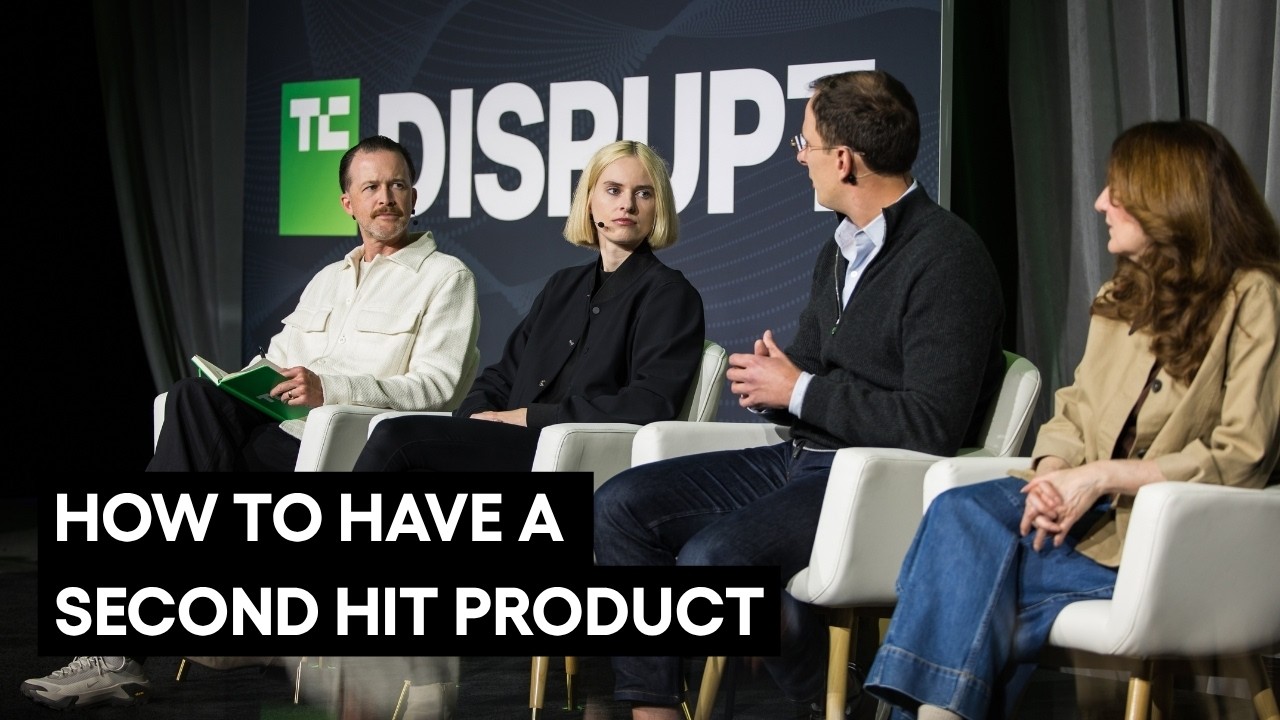
Most startups stall because they build one great product instead of a repeatable multi-product engine. Daring Ventures’ Maddi Holman, Verkada’s Filip Kaliszan, and Atlassian’s Tamar Yehoshua discuss the operational playbook for capital allocation, systemizing internal innovation, and engineering a compounding “Second Act” before the core product’s growth curve flattens. #TechCrunchDisrupt2026 Follow us across… Read more:
Published

on

Most startups stall because they build one great product instead of a repeatable multi-product engine. Daring Ventures’ Maddi Holman, Verkada’s Filip Kaliszan, and Atlassian’s Tamar Yehoshua discuss the operational playbook for capital allocation, systemizing internal innovation, and engineering a compounding “Second Act” before the core product’s growth curve flattens.

#TechCrunchDisrupt2026

Follow us across…

Read more:

Continue Reading

Trending