
People & Blogs
What Kids Actually Need Today (w/ Richard Weissbourd) | How to Be a Better Human | TED
Happiness, high achievement, or kindness – which is most important to you in your kids? Which do you think your kids think you care about the most? Richard Weissbourd is a psychologist, the senior lecturer at the Harvard Graduate School of Education, and the director of the Making Caring Common Project. Richard joins Chris to…









People & Blogs
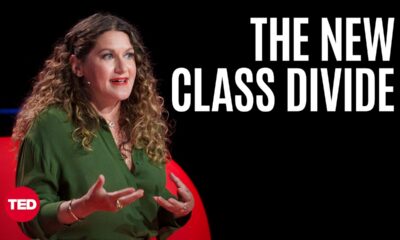
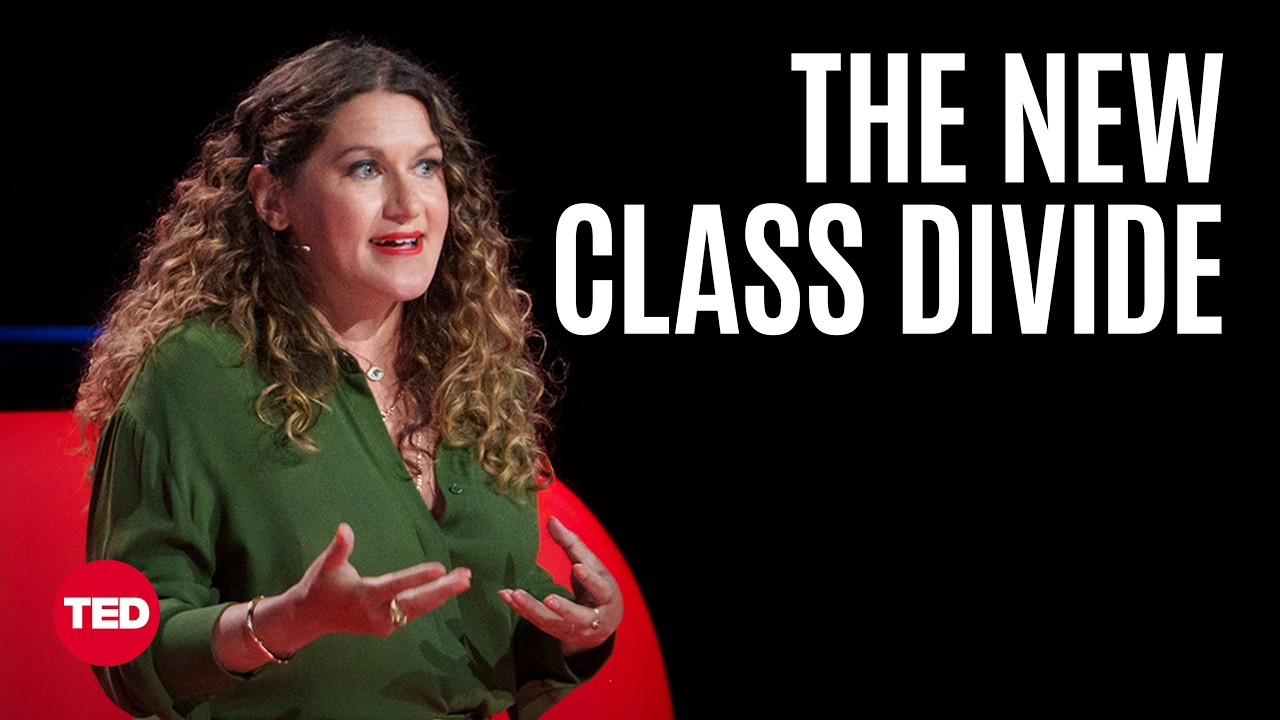
How the Wealth Gap Is Reshaping Politics | Xochitl Gonzalez | TED
Wealth inequality gets talked about as an economic problem. Writer Xochitl Gonzalez makes the case that it’s a civic one, too — a slow, quiet threat to democracy. Drawing on her research into the psychology of social class, she shows how growing up with (or without) money changes how we experience politics, community and society.…
People & Blogs
The original cosmic hit #TEDTalks
What sound came after the Big Bang? Astronomer Mark Whittle takes us back to the infant cosmos, where massive sound waves pulsed through primordial gas in a pattern that’s still traceable across the universe today. Working with sound artist Ander Mikalson and composer Caroline Shaw, he turns those ancient tones into a glorious, awe-inspiring choral…

People & Blogs
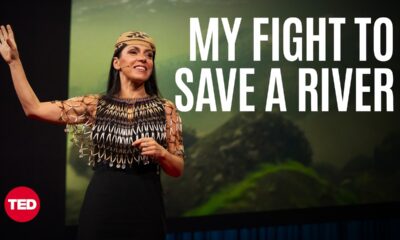
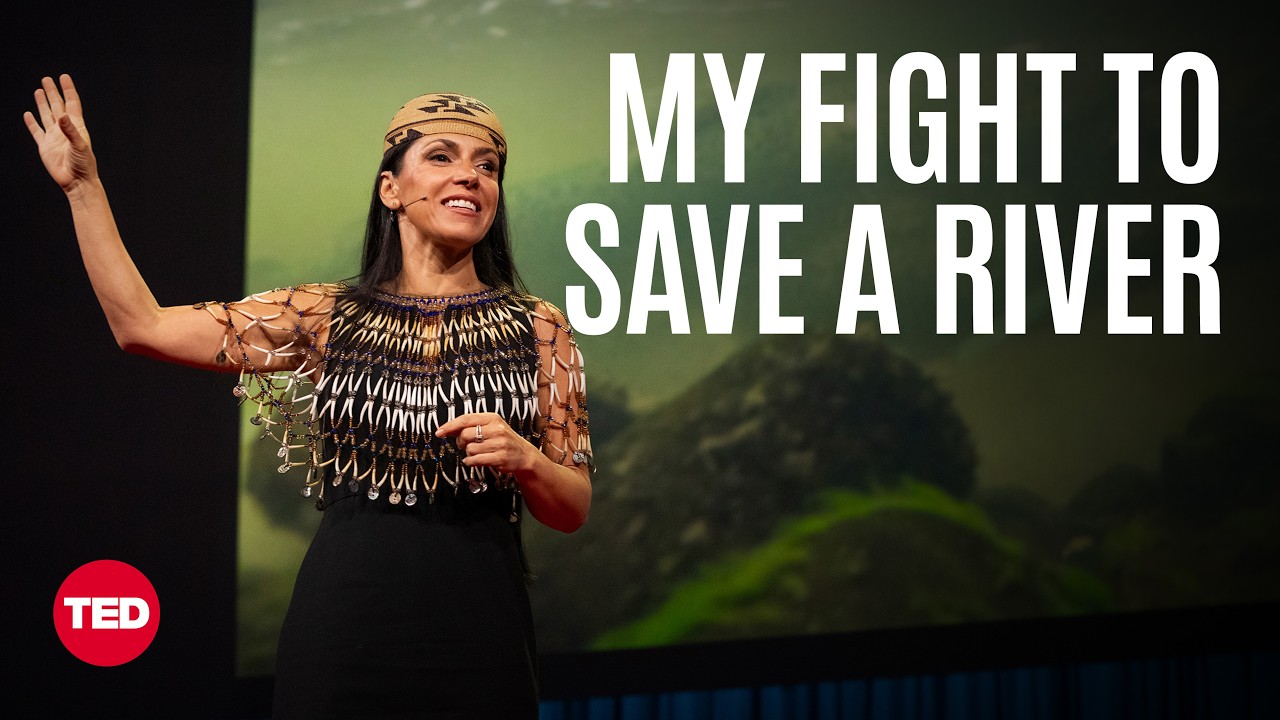
Why We Blew Up Four Dams — and Saved a River | Amy Bowers Cordalis | TED
For thousands of years, the Klamath River in Northern California was home to one of the continent’s great salmon runs, creating abundance for the native Yurok Tribe … until a series of dams and a century of extraction nearly destroyed it. Indigenous advocate Amy Bowers Cordalis helped lead the fight to take down those dams…

Startup Battlefield: Health Tech & Life Sciences Pitches | Disrupt 2026

Flock CEO Garrett Langley on Public Backlash, Surveillance Expansion | Disrupt 2026

Satya Nadella’s ‘emergency brake’ and the race to secure AI agents | Disrupt 2026

Nitya Subramanian: Products and Protocol

Sleep Expert Answers Questions From Twitter ???? | Tech Support | WIRED

Ways you can help Black Lives Matter movement (links, orgs, and more) ????????
Startup Battlefield: Health Tech & Life Sciences Pitches | Disrupt 2026
Flock CEO Garrett Langley on Public Backlash, Surveillance Expansion | Disrupt 2026
Satya Nadella’s ‘emergency brake’ and the race to secure AI agents | Disrupt 2026
-
 Science & Technology6 years ago
Nitya Subramanian: Products and Protocol
-
 People & Blogs5 years ago
Sleep Expert Answers Questions From Twitter ???? | Tech Support | WIRED
-
 CNET6 years ago
Ways you can help Black Lives Matter movement (links, orgs, and more) ????????
-

 Wired7 years ago
How This Guy Became a World Champion Boomerang Thrower | WIRED
-

 Wired7 years ago
Neuroscientist Explains ASMR’s Effects on the Brain & The Body | WIRED
-

 Wired7 years ago
Why It’s Almost Impossible to Solve a Rubik’s Cube in Under 3 Seconds | WIRED
-

 Wired7 years ago
Former FBI Agent Explains How to Read Body Language | Tradecraft | WIRED
-

 Entertainment6 years ago
Former CIA Chief of Disguise Breaks Down Cold War Spy Gadgets | WIRED
@TranNgocLanan
August 13, 2025 at 11:03 am
Showed this video to a friend and she said that laughter is the best way to improve relationships🧡
@AnnieB-v8j
August 13, 2025 at 2:29 pm
Maybe shared laughter which is rooted in love can improve relationships, but scorning, shaming, mocking laughter is often used to curtail behavior without compassion or understanding.
@HoangHuuCanhnh
August 13, 2025 at 11:05 am
who else here with zero context? 🍭💝
@riberXgames
August 13, 2025 at 11:07 am
Stay away from the screen
@hows-tohack
August 13, 2025 at 11:31 am
What’s the problem?
@thechosenone6333
August 13, 2025 at 1:02 pm
Nah time management
@vesawuoristo4162
August 13, 2025 at 11:22 am
Difficult times we are in.
@mrfalleo
August 13, 2025 at 11:24 am
There is no objective ‘better’ just a subjective interpretation of a ‘better’.
@KienThucDoDay
August 13, 2025 at 12:24 pm
14:24′ well said, professor.
@galacticmaui2
August 13, 2025 at 12:37 pm
I think our lack of selflessness is in part cultural but also financial. People have less time and money to invest in others.
@AnnieB-v8j
August 13, 2025 at 2:32 pm
Choices, priorities.
@galacticmaui2
August 13, 2025 at 2:44 pm
@@AnnieB-v8jI’m not disagreeing
@BonnieShadow33
August 14, 2025 at 3:35 pm
The irony is that when I was homeless, it was poor people who helped far more than middle or upper class people. And as soon as I got even a little bit stable, I started giving back & paying it forward to the best of my ability. In my experience, those who have very little are much more generous than those who have a lot.
@galacticmaui2
August 14, 2025 at 3:42 pm
@@BonnieShadow33that may be true but hard to make generalizations from just ones experience. For example I had a family member who as well of who spent a lot of his free time helping tutor people for free because he wasn’t tight on time and finances. I’ve also known poor people who are only takers and yet are still poor. Same applies on the opposite end.
@BonnieShadow33
August 14, 2025 at 6:04 pm
@@galacticmaui2 Which is precisely why I can’t completely agree with your original post. 🙃 There are still generous people at a variety of income levels.
@CREATIVE-twm
August 13, 2025 at 12:40 pm
Wow
@TheBestLifeMindsetWithShelly
August 13, 2025 at 1:55 pm
This is such an important conversation 🙌 From a psychological perspective, children thrive when achievement is grounded in emotional intelligence and empathy. Kindness and the ability to recognize others’ emotions not only deepen relationships but also build the resilience and self-worth that high achievement alone can’t provide. In the end, raising caring humans is the true measure of success. 💖
@dawnshire2069
August 13, 2025 at 7:37 pm
Reasoning.
@todaycountsshow
August 13, 2025 at 9:09 pm
Powerful takeaway from this: Kids today don’t just need happiness—they need purpose, resilience, and caring communities.
@thechildmindershub
August 13, 2025 at 10:38 pm
This is such an important conversation! I love how it highlights the need to balance achievement with kindness and empathy.
In my experience as an Early Childhood Educator, children thrive most when they feel valued for who they are, not just for what they accomplish.
@Doug97803
August 14, 2025 at 1:39 am
The second you make happiness your goal, you become less happy.
@NasriinUpdirshiid-v9y
August 14, 2025 at 9:49 am
13:12