
People & Blogs
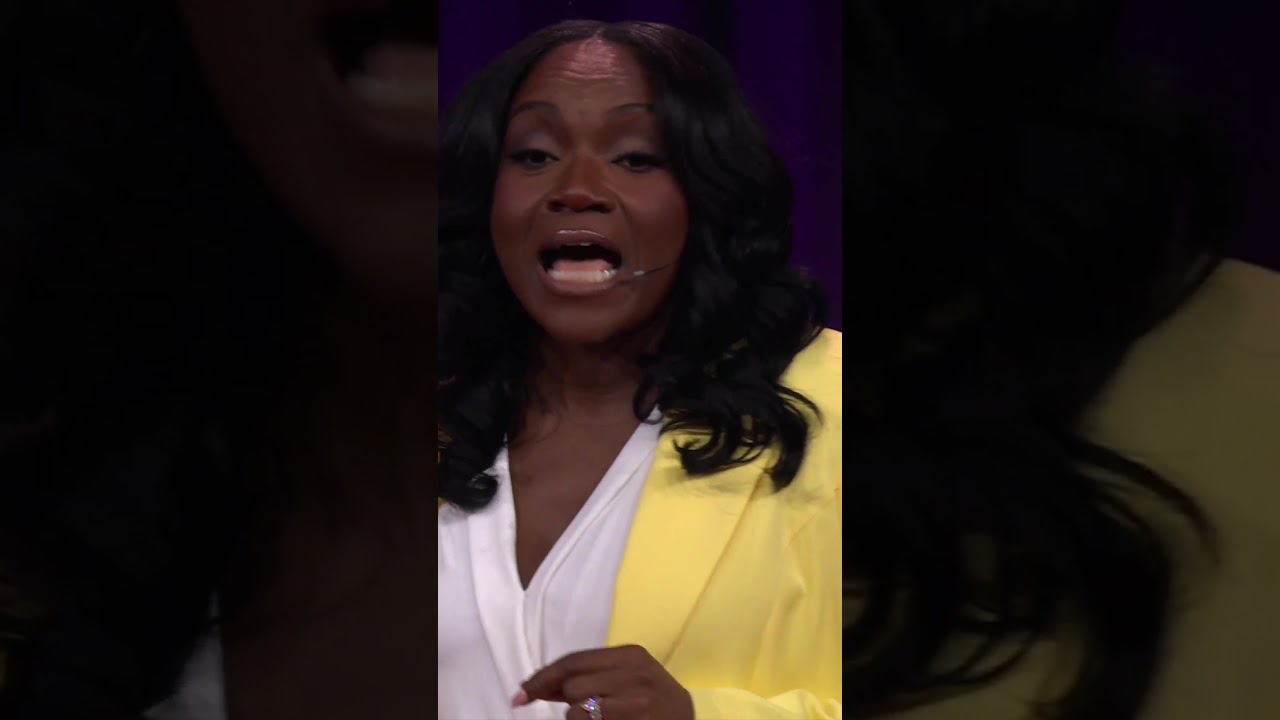
Trust in AI starts with the access to shape it #TEDTalks
For AI to achieve its full potential, non-experts need to be let into the development process, says Rumman Chowdhury, CEO and cofounder of Humane Intelligence. She tells the story of farmers fighting for the right to repair their own AI-powered tractors proposing everyone should have the ability to report issues, patch updates or even retrain…








People & Blogs
Making the vaccine was never the hardest part— it was getting people to trust them #TEDTalks
What good is a vaccine people don’t trust? Immunologist and TED Fellow Kizzmekia Corbett co-developed the first COVID-19 vaccine to enter clinical trials — but she says making the vaccine was never the hardest part. The real obstacle is the gap between scientists and the people who have honest questions about the shots they’re being…
People & Blogs
The Science of Learning New Things | Tania Lombrozo | TED
With more information at our fingertips than ever before, learning should be getting easier … yet the opposite seems to be true, says cognitive scientist Tania Lombrozo. Drawing on her research into how our minds understand and reason, she explores why more information can actually make learning harder — and shares the critical skill all…
People & Blogs
Turns out, your group chat might be more powerful than you think. #TEDTalks
Katie Paris quit her career in Washington, DC, to figure out how to make politics feel less like strangers shouting at each other and more like friends looking out for each other. In this practical talk, she reveals why conversations between real people can have a bigger impact on elections than anything millions of campaign…

Making the vaccine was never the hardest part— it was getting people to trust them #TEDTalks

The Science of Learning New Things | Tania Lombrozo | TED

The Best Humanoid Robot (Advertising) on Earth or Unitree’s Secret Weapon in the Humanoid Robot Race

Nitya Subramanian: Products and Protocol

Sleep Expert Answers Questions From Twitter ???? | Tech Support | WIRED

Ways you can help Black Lives Matter movement (links, orgs, and more) ????????
Making the vaccine was never the hardest part— it was getting people to trust them #TEDTalks
The Science of Learning New Things | Tania Lombrozo | TED
The Best Humanoid Robot (Advertising) on Earth or Unitree’s Secret Weapon in the Humanoid Robot Race
-
 Science & Technology6 years ago
Nitya Subramanian: Products and Protocol
-
 People & Blogs5 years ago
Sleep Expert Answers Questions From Twitter ???? | Tech Support | WIRED
-
 CNET6 years ago
Ways you can help Black Lives Matter movement (links, orgs, and more) ????????
-
 Wired7 years ago
How This Guy Became a World Champion Boomerang Thrower | WIRED
-

 Wired7 years ago
Neuroscientist Explains ASMR’s Effects on the Brain & The Body | WIRED
-
 Wired7 years ago
Why It’s Almost Impossible to Solve a Rubik’s Cube in Under 3 Seconds | WIRED
-

 Entertainment6 years ago
Former CIA Chief of Disguise Breaks Down Cold War Spy Gadgets | WIRED
-
 Wired7 years ago
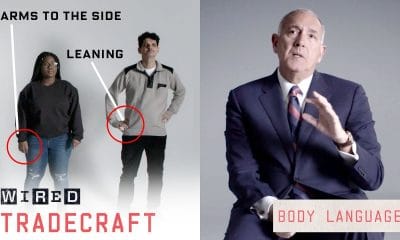
Former FBI Agent Explains How to Read Body Language | Tradecraft | WIRED
@HuongNgogo-x3z
September 8, 2025 at 12:01 pm
not what i clicked for, but worth it 💋🔥
@AnnieB-v8j
September 8, 2025 at 7:38 pm
Spam bot(tom).
@KhiêmNgọgọ
September 8, 2025 at 12:01 pm
Your passion for what you do is simply inspiring! I am grateful for your hard work.💴🤗🎀
@IamMahim007
September 8, 2025 at 12:51 pm
Where do you live?!
@AnnieB-v8j
September 8, 2025 at 7:36 pm
@IamMahim007 You replied to a bot.
@YếnBạchch-h6c
September 8, 2025 at 12:01 pm
Keep inspiring your audience. Your videos bring joy and inspiration.🥩🐽🏡
@AnnieB-v8j
September 8, 2025 at 7:38 pm
Spam.
@Innoodrr
September 8, 2025 at 12:03 pm
Thank you. I will treat you to coffee one day in the future.
@Earth-Angel-639
September 8, 2025 at 12:09 pm
TRUST ME WHEN I SAY 99% OF THE PEOPLE DO NOT TUST AI, NEVER WILL
@AnnieB-v8j
September 8, 2025 at 7:38 pm
I wish people were more diligent about this concern. It is already out of our control.
@RATAVA2011
September 8, 2025 at 8:25 pm
変わった服ですね。
@charleswilson9480
September 8, 2025 at 9:00 pm
What kind of people would trust AI in the first place ….? The wrong kind like bill gates the Democrats and all the other evil billionaires ..!
@sykessaul123
September 9, 2025 at 2:23 am
You mean like Trump?
“America is the country that started the AI race. And as president of the United States, I’m here today to declare that America is going to win it.” – DJT
@AlBeZed
September 9, 2025 at 12:19 am
a white dove’s telling you, better believe it.
@kingduggg2680
September 9, 2025 at 1:28 am
Just because your thought processes are negative doesn’t mean mine aren’t.
@koreanyoon
September 9, 2025 at 8:56 am
She seems to be just a talker, wanting listeners to believe that she is an expert!? Thumbs Down!!! She is saying nothing! SMH
@OneOfUs0000
September 9, 2025 at 3:38 pm
Good luck convincing tech billionaires that every day people count. Currently they are going all-in to gain power over everyone forever.