Connect with us

Science & Technology

Seed to Series C: What VCs actually want from AI startups

AI investments hit $110 billion in 2024 () , and the funding landscape in 2025 is more competitive than ever. For early-stage startups, that means more money in the market but also more pressure to stand out. At TechCrunch Sessions: AI, Rebecca Bellan sat down with three experienced investors: Jill Chase, Partner at CapitalG; Kanu…

Published

on

AI investments hit $110 billion in 2024 () , and the funding landscape in 2025 is more competitive than ever. For early-stage startups, that means more money in the market but also more pressure to stand out.

At TechCrunch Sessions: AI, Rebecca Bellan sat down with three experienced investors: Jill Chase, Partner at CapitalG; Kanu Gulati, Partner at Khosla Ventures; and Sara Ittelson, Partner at Accel. They broke down what they are really looking for when evaluating AI startups from seed through Series C. Their message to founders? Forget the perfect pitch. Focus on building trust, surviving the hype cycle, and being ready for copycats the moment you find product-market fit.

Listen to the full episode of Equity () to hear about:

•

Why VCs say founders are over-indexing on pitch decks instead of relationships

•

What it takes to go up against big incumbents without getting crushed

•

Why consumer focus (and speed) still win, even in B2B AI

•

How agents and automation are already reshaping the startup playbook

Equity will be back Friday with our weekly news roundup, so stay tuned.

Equity is TechCrunch’s flagship podcast, produced by Theresa Loconsolo, and posts every Wednesday and Friday. 

Subscribe to us on Apple Podcasts () , Overcast () , Spotify () and all the casts. You also can follow Equity on X () and Threads () , at @EquityPod. For the full episode transcript, for those who prefer reading over listening, check out our full archive of episodes here () .

Credits: Equity is produced by Theresa Loconsolo with editing by Kell. We’d also like to thank TechCrunch’s audience development team. Thank you so much for listening, and we’ll talk to you next time.

Learn more about your ad choices. Visit megaphone.fm/adchoices ()

Continue Reading
Advertisement
Click to comment

Leave a Reply

Your email address will not be published. Required fields are marked *

CNET

iPhone Duo Livestream: How Many Folds Can Apple’s Phone Take? Day 13

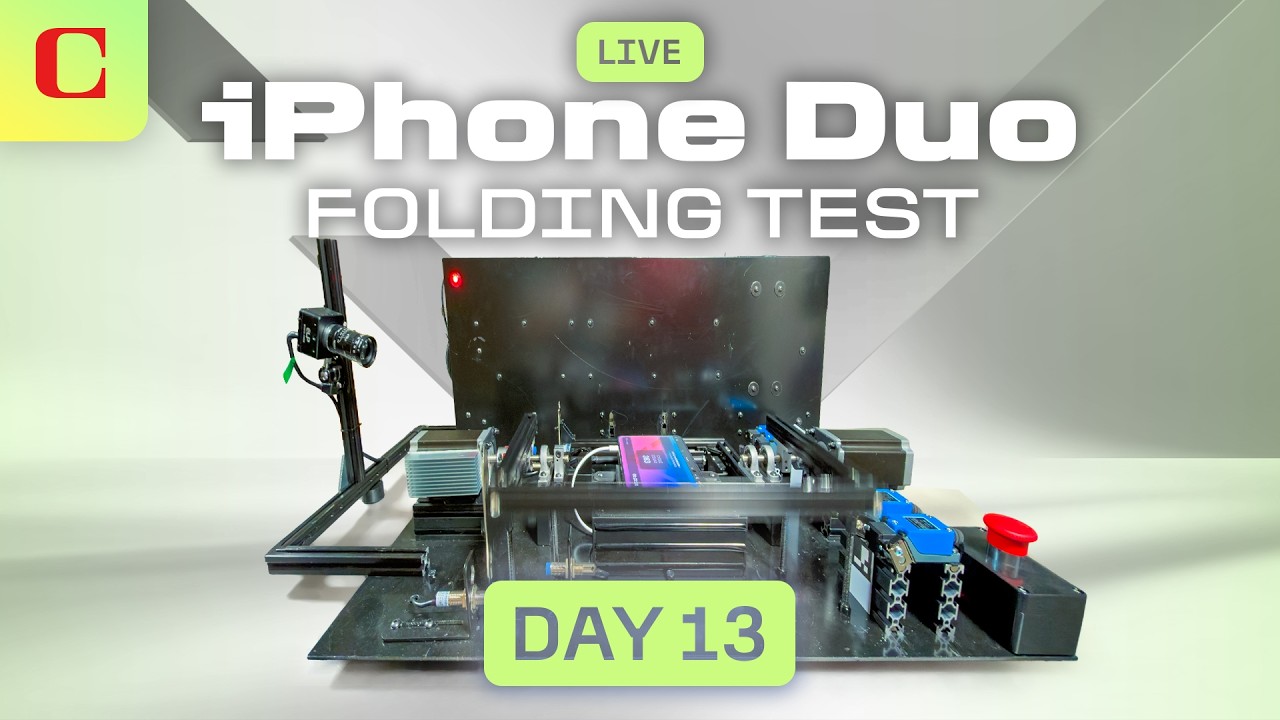
Apple’s iPhone Duo is out and we want to see how durable it is. So we built a robot to fold it 20,000+ times a day to test its limits. How long do you think it will last? 100,000 folds? 200,000 folds? 500,000 folds? Tune in and watch the testing live. We’ll have CNET’s editors…
Published

on

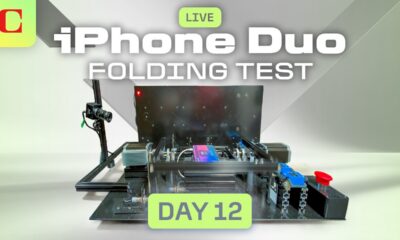
Apple’s iPhone Duo is out and we want to see how durable it is. So we built a robot to fold it 20,000+ times a day to test its limits. How long do you think it will last? 100,000 folds? 200,000 folds? 500,000 folds? Tune in and watch the testing live. We’ll have CNET’s editors online to answer any of your questions.

Join us weekdays from 10:00 AM – 2:00 PM PT / 1:00 PM – 5:00 PM ET

Read more about the iPhone Duo Folding Test on CNET.com
We Answer 16 Questions About Folding the iPhone Duo Hundreds of Thousands of Times

The iPhone Duo Is Now in Our Custom-Made Foldable Phone Test Machine. Will It Beat the Galaxy Fold 8?

iPhone Duo Review: Late to the Foldable Party, but It Steals the Show

Check out the 3D Printer Matthew Murray used to print the sled that iPhone Duo is sitting on:
Looking for the Most Accurate 3D Printer? Our Exclusive Testing Reveals One Clear Winner

Video Credits:
Host: Matthew Murray
Producer: Stephen Beacham
Thumbnail Designer: Zooey Liao

Add CNET as a trusted news source
Never miss a deal again! See CNET’s browser extension 👉
Check out CNET’s Amazon Storefront:
Subscribe to CNET on YouTube:
Follow us on TikTok:
Follow us on Instagram:
Follow us on Bluesky:
Like us on Facebook:
CNET’s AI Atlas:
Follow us on X:
Visit CNET.com:

#apple #iphone #iphonefold #iphoneduo #applefoldable #foldablephone #foldable #folding

Continue Reading

Science & Technology

Why the data center you dread might never even be built | Equity Podcast

The data center boom is running into serious real-world obstacles, from widespread local opposition and permitting delays to a scramble for electricity. Before those challenges even come into play, though, there’s a more basic problem: A lot of the projects being announced may never get built in the first place. With billions of dollars in…
Published

on

The data center boom is running into serious real-world obstacles, from widespread local opposition and permitting delays to a scramble for electricity. Before those challenges even come into play, though, there’s a more basic problem: A lot of the projects being announced may never get built in the first place. With billions of dollars in AI infrastructure investment at stake, separating realistic projects from speculative ones is becoming increasingly important.

On this episode of TechCrunch’s Equity podcast, hosts Rebecca Bellan and Tim De Chant are joined by Brent Nelson, senior managing director of markets and strategy at Ascend Analytics, to separate the data center projects that are likely to get built from the ones that may never get off the ground.

Subscribe to Equity on YouTube, Apple Podcasts, Overcast, Spotify and all the casts. You also can follow Equity on X and Threads, at @EquityPod.

Chapters:
00:00 Intro
2:20 Will the midterms and data center backlash slow the buildout?
5:33 Announced vs. actually built: the speculation problem
10:01 Who’s lending, and why tenants matter most
14:59 Powering data centers: why everyone defaults to gas
18:44 The case for curtailable interconnections plus batteries
20:09 Why the grid can’t just move power around
24:46 Can data centers pay their way out of opposition?
27:22 What founders and investors shouldn’t assume
29:31 Permitting reform and the lame-duck window
31:17 Outro

Continue Reading

CNET

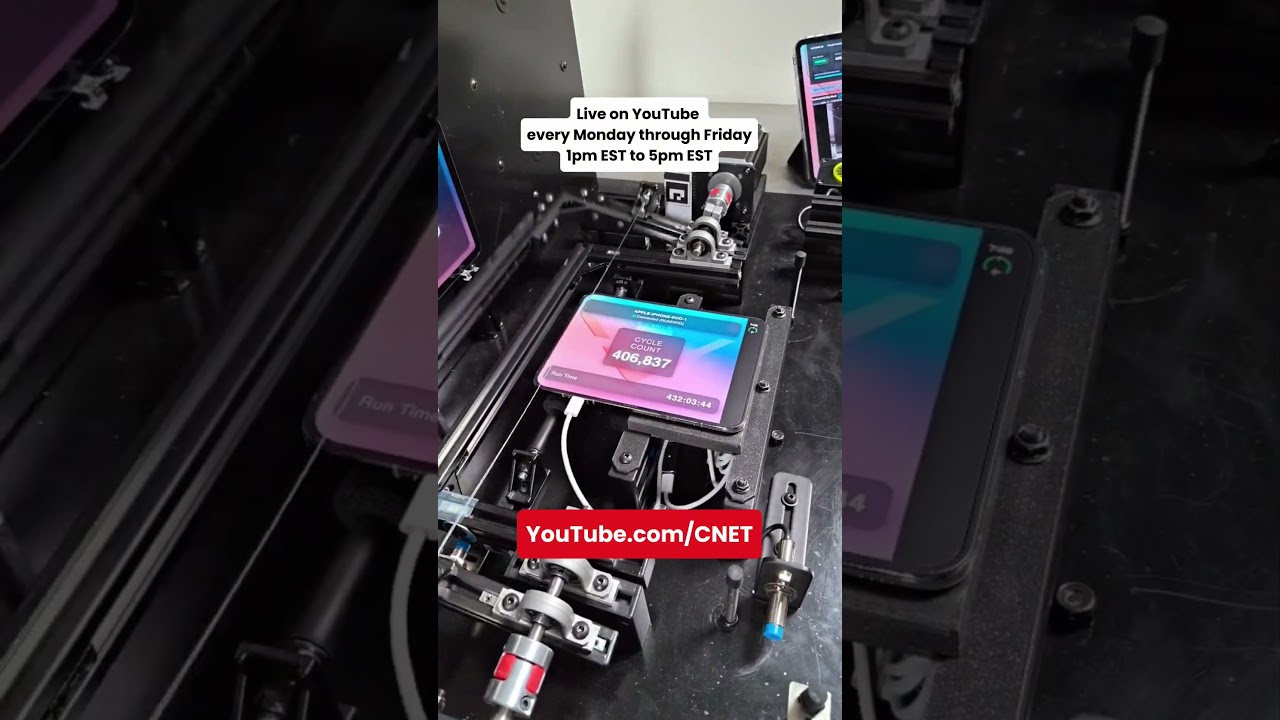
Fold-A-Phone Week 3, Livestream Day 13: 406K iPhone Duo Folds! Will we get to 500K?

Why aren’t we adding dust or sand directly into the hinge? Because we’re looking to get the best data about durability. Each phone that goes into the Fold-A-Phone is tested in highly controlled conditions, with a tightly calibrated opening and closing cadence to ensure equivalent performance each and every time. Join us on YouTube at…
Published

on

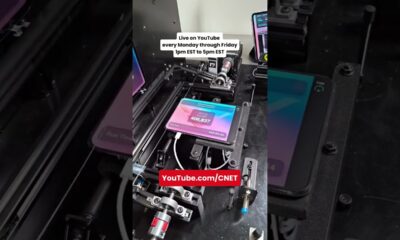
Why aren’t we adding dust or sand directly into the hinge? Because we’re looking to get the best data about durability. Each phone that goes into the Fold-A-Phone is tested in highly controlled conditions, with a tightly calibrated opening and closing cadence to ensure equivalent performance each and every time.

Join us on YouTube at 1pm EST to 5pm EST to watch us fold live and answer more of your questions. #foldaphone #iphoneduo #apple #durability #allthingsmobile

You can find the products mentioned in this video linked below
*CNET may get a commission on these offers

Read more about it on CNET.com:

Video Credits:
Camera: Matthew Murray
Video Editor: Faith Chihil

Add CNET as a trusted news source
Never miss a deal again! See CNET’s browser extension 👉
Check out CNET’s Amazon Storefront:
Subscribe to CNET on YouTube:
Follow us on TikTok:
Follow us on Instagram:
Follow us on Bluesky:
Like us on Facebook:
CNET’s AI Atlas:
Follow us on X:
Visit CNET.com:

Continue Reading

Trending