Connect with us

Science & Technology

AI is good at seeing patterns, but it’s humans who figure out what to do next #TEDTalks

AI is good at seeing patterns, but it’s humans who figure out what to do next, says technologist Priyanka Vergadia.


Published

on

AI is good at seeing patterns, but it’s humans who figure out what to do next, says technologist Priyanka Vergadia.

Continue Reading
Advertisement
7 Comments

7 Comments

  1. @jasonMMorris

    September 17, 2026 at 6:37 pm

    Every word you said
    Compromised your position.

  2. @WALLACE9009

    September 17, 2026 at 6:47 pm

    We humans also excel at becoming and staying delusional

  3. @jordancool3591

    September 17, 2026 at 6:48 pm

    We need to take ourselves outside of the box and think of those don’t have the access/abilities to learn about ai this ai that. Some people just want to work their regular jobs and go back to their families. Not every work need ai, we just need more moral as people and relearn what’s like to work together as individuals. In the end we are all we got.

  4. @deepakgopalakrishnan6350

    September 17, 2026 at 6:50 pm

    All this is great to hear. But can you please say this to Google/ Oracle/ Adidas/ Amazon/ Microsoft etc as these are the companies that are sacking employees in hundreds.

  5. @8PurpleSquirrels

    September 17, 2026 at 7:00 pm

    “Those unwilling to control their emotions, make themselves subject to incredible injustice.”

  6. @voiceOfOuiThePeople

    September 17, 2026 at 7:37 pm

    I say that denial is not just a river in egypt.

  7. @shaunholt8448

    September 17, 2026 at 8:17 pm

    Burn all the AI to the ground and imprison those that tried to enforce it on us!
    We are all John and Sarah Connor!!

Leave a Reply

Your email address will not be published. Required fields are marked *

Science & Technology

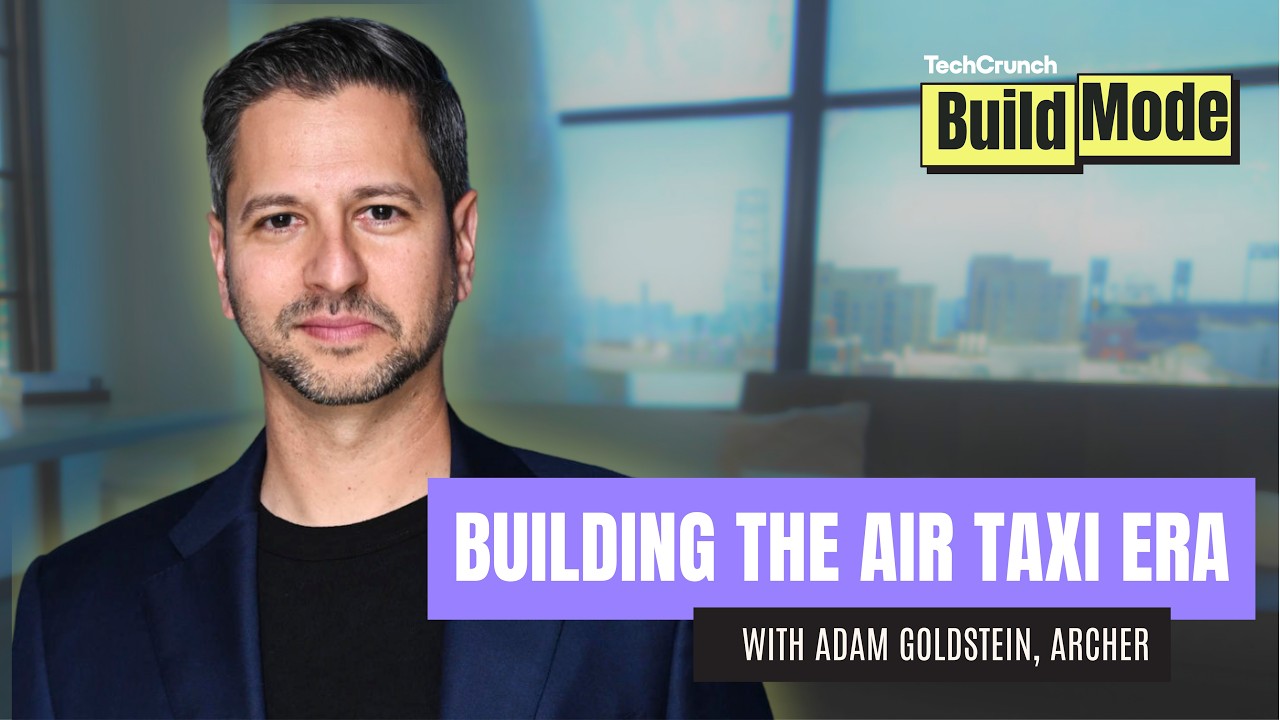
The Startup Bringing Air Taxis to the LA Olympics with Adam Goldstein l Build Mode

Building flying taxis takes billions of dollars. So instead of relying on traditional venture rounds, Archer Aviation went public just a few years after it was founded. In this episode of Build Mode, host Isabelle Johannesen sits down with Adam Goldstein, founder and CEO of Archer Aviation, to talk about the unconventional fundraising strategy behind…
Published

on

Building flying taxis takes billions of dollars. So instead of relying on traditional venture rounds, Archer Aviation went public just a few years after it was founded.

In this episode of Build Mode, host Isabelle Johannesen sits down with Adam Goldstein, founder and CEO of Archer Aviation, to talk about the unconventional fundraising strategy behind building one of the most capital-intensive startups around.

Archer is building electric vertical takeoff and landing aircraft, or eVTOLs, designed to turn trips that can take 90 minutes by car into flights of 10 or 15 minutes. The company is developing the technology for both commercial air taxis and defense applications and has been selected as the exclusive air taxi provider for the 2028 Los Angeles Olympics.

But developing and certifying an entirely new category of aircraft requires enormous amounts of capital. Adam explains why he realized early on that raising $50 million or $100 million at a time wouldn’t be enough and why he decided to take Archer public when the company had fewer than 100 employees. Since then, Archer has raised nearly $4 billion.

Adam breaks down how he prepared Archer to take advantage of the public markets, why timing matters so much when pursuing an IPO, and how retail investors and online communities have changed the equation for companies building ambitious hardware. He also explains why he thinks the window for earlier-stage companies to access public markets may be opening again.

Join us at TechCrunch Disrupt October 13-15 in San Francisco. Use promo code: buildmode25 for 25% off your ticket.

Chapters:
00:00 — Why Archer went public so early
01:36 — What Archer Aviation is building
02:21 — Air taxis, defense and the future of eVTOLs
04:05 — Adam’s journey from finance to founder
06:25 — Why electric aviation became possible
09:29 — Will people actually ride in flying taxis?
11:27 — Archer’s plans for the 2028 LA Olympics
13:50 — Why building hardware requires billions
16:54 — Was going public the right decision?
17:40 — How retail investors changed the public markets
21:46 — How Archer prepared to go public early
24:50 — Is the early IPO window opening again?
26:42 — What a startup needs before going public
28:09 — Why Archer chose a SPAC
29:57 — Should first-time founders consider going public?
30:55 — How Archer attracted talent before it had the money
32:48 — Why capital became Archer’s competitive advantage

Apple Podcasts
Spotify
Wherever you like to listen
New episodes of Build Mode drop every Thursday.

33:39 — What comes after the exit?
35:25 — Adam’s advice for founders building capital-intensive startups

Continue Reading

Science & Technology

Flying taxis are coming to the 2028 LA Olympics.

Could flying taxis be one of the technologies people remember from the 2028 LA Olympics? Archer CEO Adam Goldstein explains why he believes the Games could become a major showcase for the emerging air taxi industry. Watch the full conversation on Build Mode:

Published

on

Could flying taxis be one of the technologies people remember from the 2028 LA Olympics?

Archer CEO Adam Goldstein explains why he believes the Games could become a major showcase for the emerging air taxi industry.
Watch the full conversation on Build Mode:

Continue Reading

Science & Technology

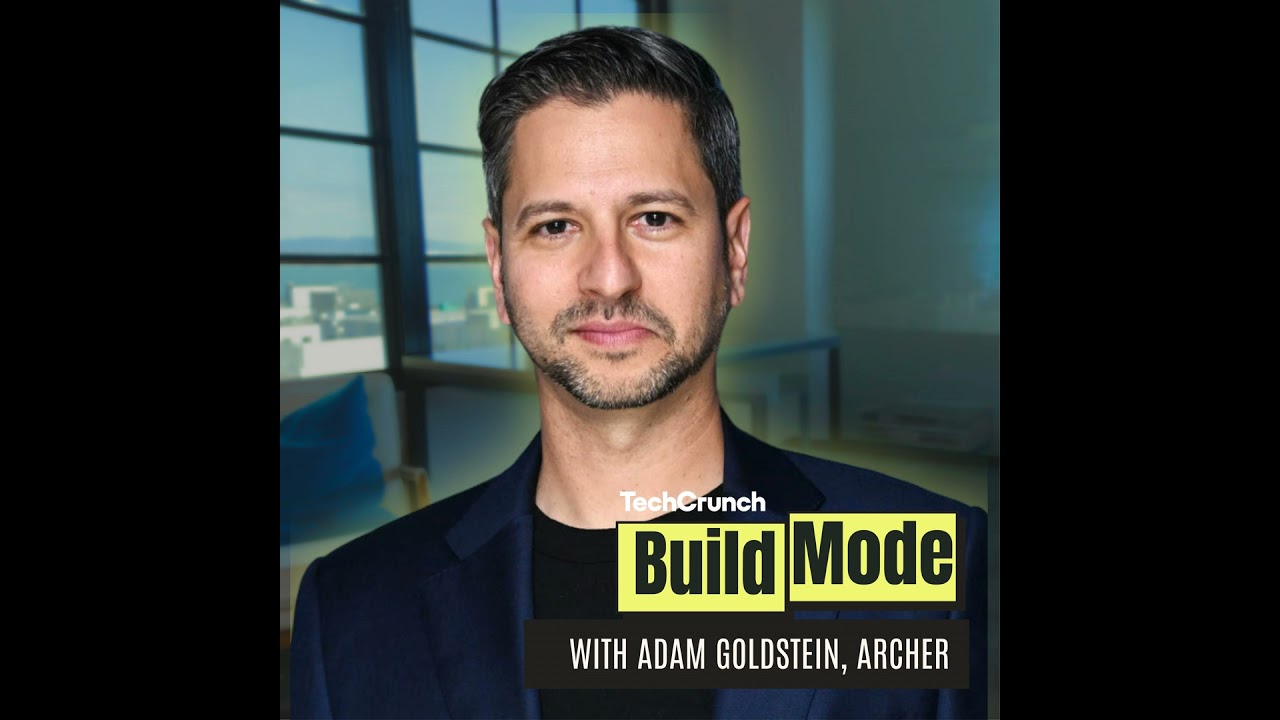
Archer Went Public Just 3 Years After Launching and It Paid Off with Adam Goldstein l Build Mode

Building flying taxis takes billions of dollars. So instead of relying on traditional venture rounds, Archer Aviation went public () just a few years after it was founded. In this episode of Build Mode () , host Isabelle Johannesen sits down with Adam Goldstein, founder and CEO of Archer Aviation, to talk about the unconventional…
Published

on

Building flying taxis takes billions of dollars. So instead of relying on traditional venture rounds, Archer Aviation went public () just a few years after it was founded.

In this episode of Build Mode () , host Isabelle Johannesen sits down with Adam Goldstein, founder and CEO of Archer Aviation, to talk about the unconventional fundraising strategy behind building one of the most capital-intensive startups around.

Archer () is building electric vertical takeoff and landing aircraft, or eVTOLs, designed to turn trips that can take 90 minutes by car into flights of 10 or 15 minutes. The company is developing the technology for both commercial air taxis and defense applications and has been selected as the exclusive air taxi provider for the 2028 Los Angeles Olympics.

But developing and certifying an entirely new category of aircraft requires enormous amounts of capital. Adam explains why he realized early on that raising $50 million or $100 million at a time wouldn’t be enough and why he decided to take Archer public when the company had fewer than 100 employees. Since then, Archer has raised nearly $4 billion.

Adam breaks down how he prepared Archer to take advantage of the public markets, why timing matters so much when pursuing an IPO, and how retail investors and online communities have changed the equation for companies building ambitious hardware. He also explains why he thinks the window for earlier-stage companies to access public markets may be opening again.

They get into:

Why Archer is building electric air taxis

How eVTOLs could change airport-to-city transportation

Archer’s plans for the 2028 Los Angeles Olympics

Why hardware startups need dramatically more capital than software companies

Why Adam decided to take Archer public so early

How Archer raised nearly $4 billion

Why founders need to prepare for an IPO long before they actually pursue one

How retail investors have changed the public markets

Why liquidity became an important part of Archer’s fundraising strategy

What founders need before considering an early public-market debut

Why strategic partners can help validate an early-stage company

The risks of going public too soon

How capital helped Archer catch up with more established competitors

Why founders should choose a problem they’re willing to spend decades solving

Join us at TechCrunch Disrupt October 13-15 in San Francisco. Use promo code: buildmode25 for 25% off your ticket.

Chapters:

00:00 — Why Archer went public so early

01:36 — What Archer Aviation is building

02:21 — Air taxis, defense and the future of eVTOLs

04:05 — Adam’s journey from finance to founder0

6:25 — Why electric aviation became possible

09:29 — Will people actually ride in flying taxis?

11:27 — Archer’s plans for the 2028 LA Olympics

13:50 — Why building hardware requires billions

16:54 — Was going public the right decision?

17:40 — How retail investors changed the public markets

21:46 — How Archer prepared to go public early

24:50 — Is the early IPO window opening again?26:42 — What a startup needs before going public

28:09 — Why Archer chose a SPAC

29:57 — Should first-time founders consider going public?

30:55 — How Archer attracted talent before it had the money

32:48 — Why capital became Archer’s competitive advantage

33:39 — What comes after the exit?

35:25 — Adam’s advice for founders building capital-intensive startups

Subscribe to Build Mode on Apple Podcasts () , Spotify () , or wherever you like to listen () . And watch the full videos on YouTube () . New episodes of Build Mode () drop every Thursday.

Hosted by Isabelle Johannesen. Produced and edited by Maggie Nye. Audience development led by Morgan Little. Special thanks to the Foundry and Cheddar video teams.

Continue Reading

Trending