
Taking Generative AI into the physical world with Raquel Urtasun from Waabi
In this episode, Dom and Becca dive into the future of trucking with Raquel Urtasun, CEO and co-founder of Waabi, a company pioneering driverless, long-haul trucks powered by generative AI. They talked about Waabi’s unique simulation-based training approach, its vision for autonomous technology, and how it could redefine the trucking industry and workforce. …

Science & Technology
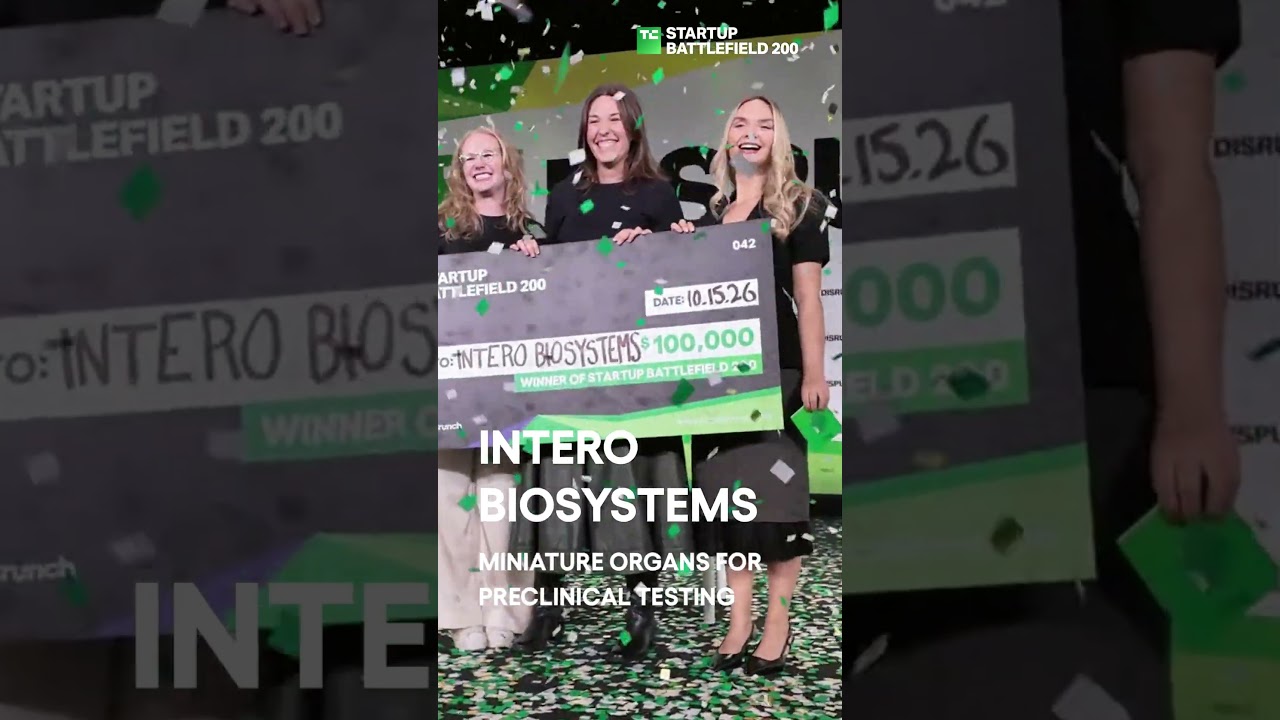
Intero Biosystems Wins Startup Battlefield for its Lab-Grown Digestive Systems
Congrats to Intero Biosystems, this year’s Startup Battlefield 200 victor! They’re developing lab-grown tissue that mimics our digestive system, to study how drugs and compounds effect our bodies…before they effect our bodies.
Science & Technology
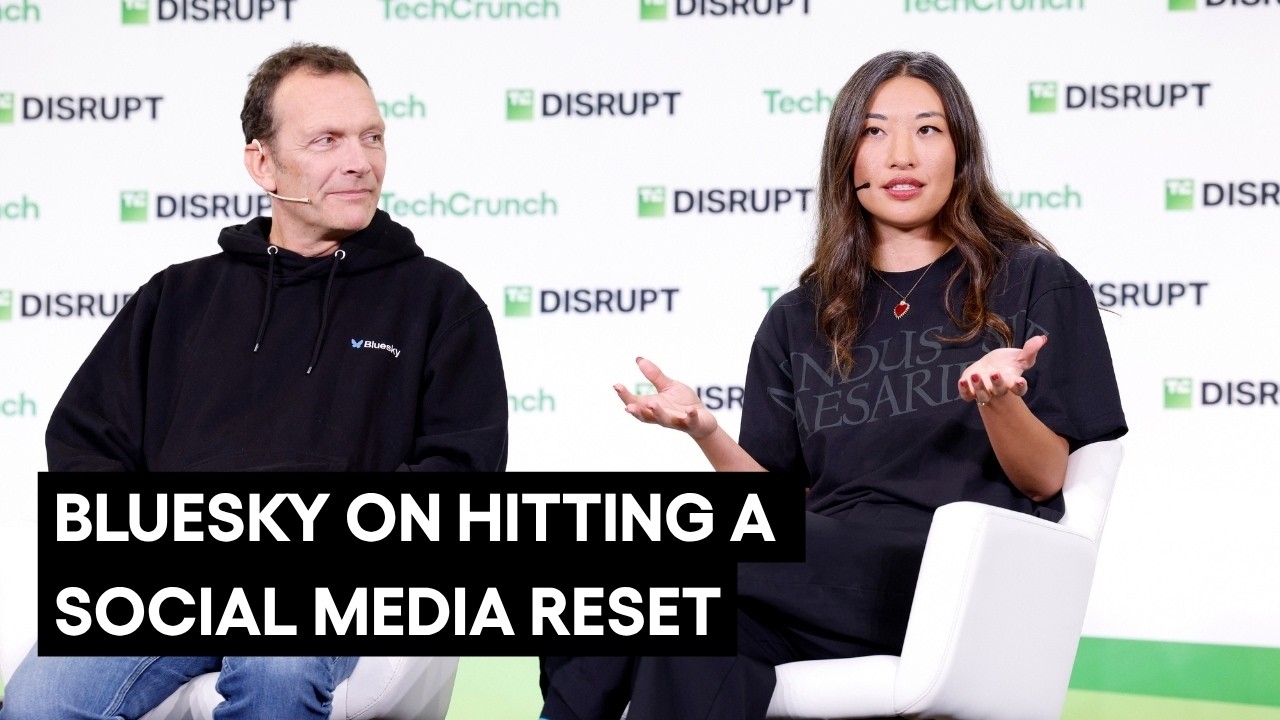
Bluesky’s Leadership Thinks Social Can Still Start Over | Disrupt 2026
Can social media enter a new era? With a new leadership team at the helm, Bluesky is betting that openness, user choice, and new technology can reshape how online communities are built. CEO Toni Schneider and COO Rose Wang discuss the future of social media, competing with established platforms, and what it takes to build…
Science & Technology
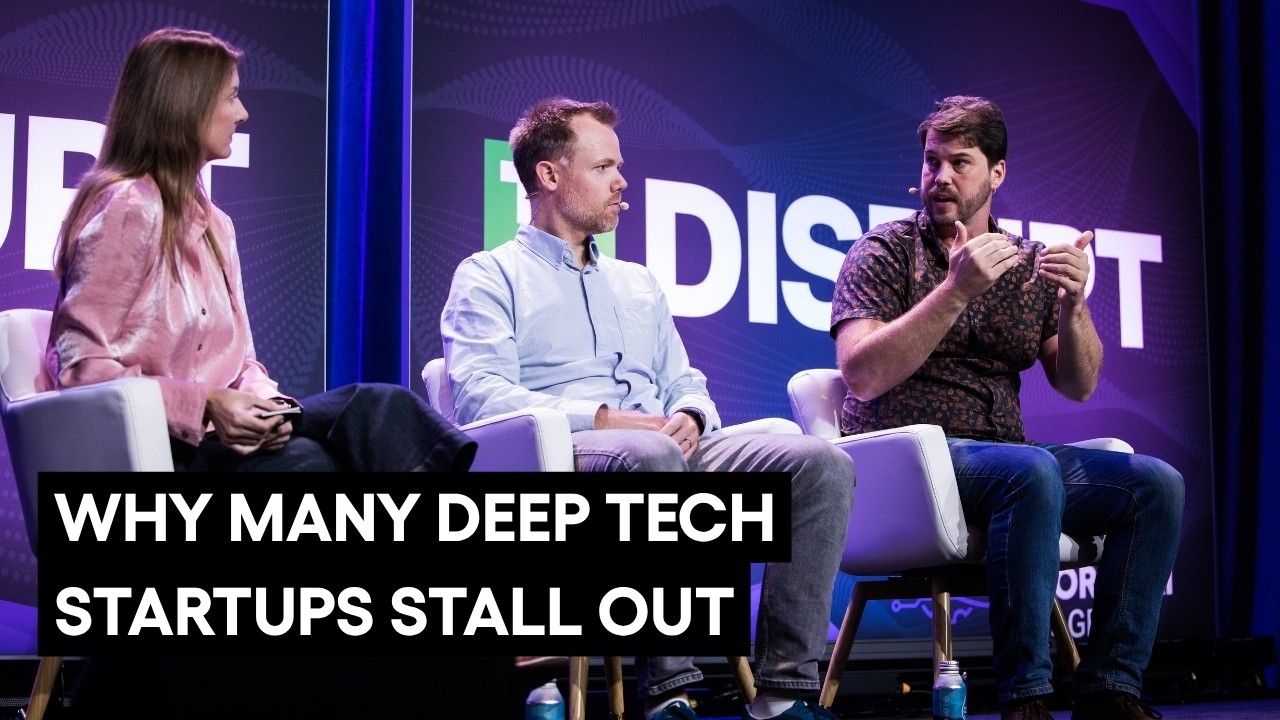
Why Most Deep Tech Startups Stall Between Prototype and Production | Disrupt 2026
Founders may have the right team and tech and still miss what it takes to manufacture and scale. Bedrock Robotics’ Kevin Peterson and Foxglove’s Adrian Macneil share what they’ve learned about crossing that gap. #TechCrunchDisrupt2026 Follow us across… Read more:

Intero Biosystems Wins Startup Battlefield for its Lab-Grown Digestive Systems

Bluesky’s Leadership Thinks Social Can Still Start Over | Disrupt 2026

Why Most Deep Tech Startups Stall Between Prototype and Production | Disrupt 2026

Nitya Subramanian: Products and Protocol

Sleep Expert Answers Questions From Twitter ???? | Tech Support | WIRED

Ways you can help Black Lives Matter movement (links, orgs, and more) ????????
Intero Biosystems Wins Startup Battlefield for its Lab-Grown Digestive Systems
Bluesky’s Leadership Thinks Social Can Still Start Over | Disrupt 2026
Why Most Deep Tech Startups Stall Between Prototype and Production | Disrupt 2026
-
 Science & Technology6 years ago
Nitya Subramanian: Products and Protocol
-
 People & Blogs5 years ago
Sleep Expert Answers Questions From Twitter ???? | Tech Support | WIRED
-
 CNET6 years ago
Ways you can help Black Lives Matter movement (links, orgs, and more) ????????
-
 Wired7 years ago
How This Guy Became a World Champion Boomerang Thrower | WIRED
-

 Wired7 years ago
Neuroscientist Explains ASMR’s Effects on the Brain & The Body | WIRED
-

 Wired7 years ago
Why It’s Almost Impossible to Solve a Rubik’s Cube in Under 3 Seconds | WIRED
-
 Wired7 years ago
Former FBI Agent Explains How to Read Body Language | Tradecraft | WIRED
-

 Entertainment6 years ago
Former CIA Chief of Disguise Breaks Down Cold War Spy Gadgets | WIRED
@JoeColon817
November 12, 2024 at 11:39 am
6:35 – “You don’t have access to bathrooms or showers for many days in a row” is a little bit dramatic. I’ve been a truck driver (over the road, regional, dedicated, local, you name it) and there is a pretty convenient network of travel centers, truck stops, and rest areas with bathrooms and adequate showering facilities. Bottom line is that there are many drivers who choose to stay because they truly enjoy the lifestyle.
@Stuharris
November 14, 2024 at 12:43 pm
You better not be commenting this while driving your rig ;P
@JoeColon817
November 14, 2024 at 12:57 pm
@ I would NEVER, safety first 😉
@Stuharris
November 14, 2024 at 12:43 pm
Regarding the transition to the autonomous freight industry, I think it would be beneficial to offer a program to current drivers at the time where they would be in the truck monitoring the system, and ready on site to help troubleshoot the system and help with navigation issues. Otherwise you’re looking at having to deploy a crew to go get the truck un-stuck every time they have a Waymo-ment. The drivers are going to be the most familiar with their routes and area; it would be an act of good faith by the companies who otherwise would just be terminating them outright and respectful to the dignity of the industry overall and the drivers themselves, who are more emotionally invested in their careers than most folk realize. And as part of the same program when the tech gets to the point where they want to go fully autonomous, they might start spending some of their work day back at the warehouse in the ‘classroom’ learning more about the system functions. This would allow organic transitioning from the ‘hardware’ side into new career paths on the software side.