Connect with us

Science & Technology

Why Stream ring-maker Sandbar says the future of AI wearables is voice | Equity Podcast

AI notetaking hardware has taken off over the past couple of years, with credit-card-sized devices, pendants, pins, and even transcribing earbuds all promising to capture your meetings and turn them into summaries and action items. Now, a whole wave of wearables — rings especially — are betting people want to capture stray thoughts and ideas…

Published

on

AI notetaking hardware has taken off over the past couple of years, with credit-card-sized devices, pendants, pins, and even transcribing earbuds all promising to capture your meetings and turn them into summaries and action items. Now, a whole wave of wearables — rings especially — are betting people want to capture stray thoughts and ideas the same way.

One of the companies chasing that bet is Sandbar, the startup behind the private voice ring Stream, which has raised $36 million to date, including a $23 million Series A led by Adjacent and Kindred Ventures.

On this episode of TechCrunch’s Equity podcast, Rebecca Bellan talks with Sandbar co-founder and CEO Mina Fahmi about why he thinks so many voice hardware devices before Stream struggled to break through, and why he’s betting that keeping the human firmly in control is what it’ll take to get wearable tech right.

Subscribe to Equity on YouTube, Apple Podcasts, Overcast, Spotify and all the casts. You also can follow Equity on X and Threads, at @EquityPod.

Chapters:

00:00 Intro

1:24 From MIT neural interfaces to founding Sandbar

5:15 Live demo: capturing a note with Stream

9:19 Whisper mode and cross-device dictation

11:58 What makes hardware finally click for users

16:26 Learning from Humane, Rabbit, and Friend’s stumbles

19:09 The case against “always on”

21:20 Zuckerberg’s superintelligence letter, and where wearables fit

24:13 The funding: $36M raised to date

26:34 Why Sandbar chose the fully custom hardware path

28:36 Outro

Continue Reading
Advertisement
Click to comment

Leave a Reply

Your email address will not be published. Required fields are marked *

CNET

iPhone Duo Livestream: How Many Folds Can Apple’s Phone Take? Day 10

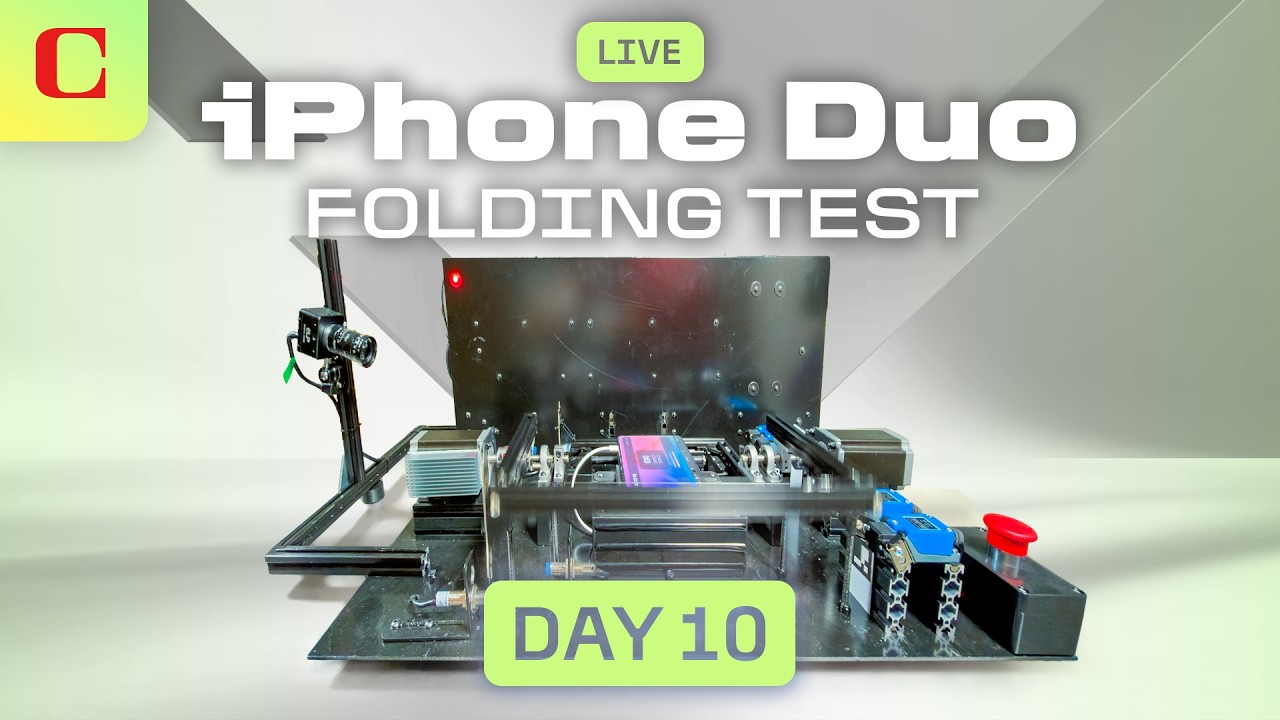
Apple’s iPhone Duo is out and we want to see how durable it is. So we built a robot to fold it 20,000+ times a day to test its limits. How long do you think it will last? 100,000 folds? 200,000 folds? 500,000 folds? Tune in and watch the testing live. We’ll have CNET’s editors…
Published

on

Apple’s iPhone Duo is out and we want to see how durable it is. So we built a robot to fold it 20,000+ times a day to test its limits. How long do you think it will last? 100,000 folds? 200,000 folds? 500,000 folds? Tune in and watch the testing live. We’ll have CNET’s editors online to answer any of your questions.

Join us weekdays from 10:00 AM – 2:00 PM PT / 1:00 PM – 5:00 PM ET

Read more about the iPhone Duo Folding Test on CNET.com
We Answer 16 Questions About Folding the iPhone Duo Hundreds of Thousands of Times

The iPhone Duo Is Now in Our Custom-Made Foldable Phone Test Machine. Will It Beat the Galaxy Fold 8?

iPhone Duo Review: Late to the Foldable Party, but It Steals the Show

Check out the 3D Printer Matthew Murray used to print the sled that iPhone Duo is sitting on:
Looking for the Most Accurate 3D Printer? Our Exclusive Testing Reveals One Clear Winner

Video Credits:
Host: Matthew Murray
Producer: Stephen Beacham
Thumbnail Designer: Zooey Liao

Add CNET as a trusted news source
Never miss a deal again! See CNET’s browser extension 👉
Check out CNET’s Amazon Storefront:
Subscribe to CNET on YouTube:
Follow us on TikTok:
Follow us on Instagram:
Follow us on Bluesky:
Like us on Facebook:
CNET’s AI Atlas:
Follow us on X:
Visit CNET.com:

#apple #iphone #iphonefold #iphoneduo #applefoldable #foldablephone #foldable #folding

Continue Reading

Science & Technology

After the midterms, is the AI industry in for a rough two years? | Equity Podcast

Democrats’ historic victories in this week’s U.S. midterm elections could also transform the tech industry. The public voted on 41 data center-related ballot measures on Tuesday — in all but one, the majority voted to impose more restrictions on data center development. And even when data centers weren’t on the ballot directly, they were a…
Published

on

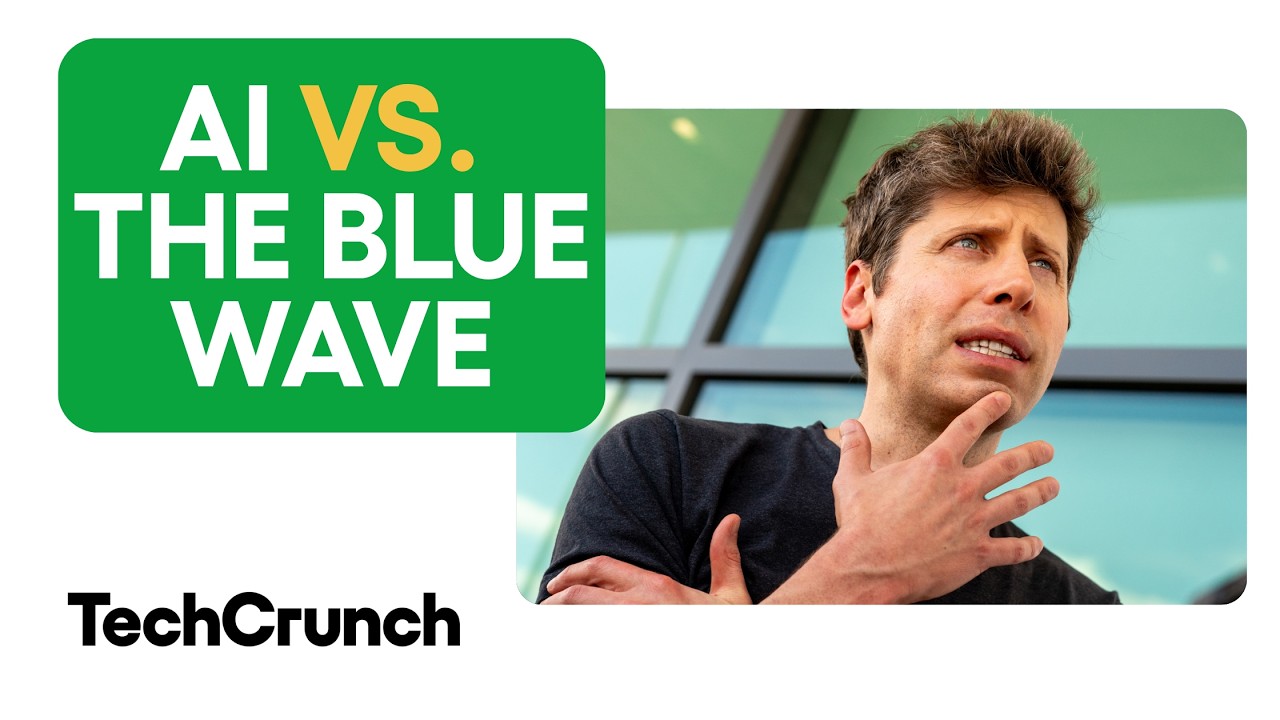
Democrats’ historic victories in this week’s U.S. midterm elections could also transform the tech industry.

The public voted on 41 data center-related ballot measures on Tuesday — in all but one, the majority voted to impose more restrictions on data center development. And even when data centers weren’t on the ballot directly, they were a major talking point, with newly-elected Democratic governors and congressmembers likely to support additional regulation.

On the latest episode of TechCrunch’s Equity podcast, Kirsten Korosec, Sean O’Kane, and Anthony Ha discuss what the election will mean for the tech industry moving forward — not just when it comes to data centers (which OpenAI is already trying to rebrand), but also increased government scrutiny of Big Tech.

Listen to the full episode to hear more about:

• Whether Google first satellite data center is ushering our orbital data center future
• If major layoffs at design software company Canva and website builder Squarespace can be blamed on AI
• Marvell’s $115 billion acquisition of Lumentum, in one of the largest deals in history
• Why CrowdStrike just acquired of two AI security startups
What NBCUniversal’s investment in Indian microdrama startup Elo • Elo means for the media landscape

Subscribe to Equity on YouTube, Apple Podcasts, Overcast, Spotify, and all the casts. You can also follow Equity on X and Threads, at @EquityPod.

Chapters:

00:00 Intro

0:47 Founder Summit recap and an Equity team update

2:23 Midterm results and the data center backlash

7:49 OpenAI rebrands data centers as “compute campuses”

10:57 Wall Street cools on the data center buildout

13:30 Regulatory certainty and building outside the U.S.

15:45 Canva and Squarespace layoffs

20:37 Can AI chatbots replace products like Squarespace?

23:22 Marvell’s $115B Lumentum acquisition

26:51 CrowdStrike buys Fiddler AI and Dreadnode

30:20 Micro drama startup raises $80M

30:59 Outro

Continue Reading

CNET

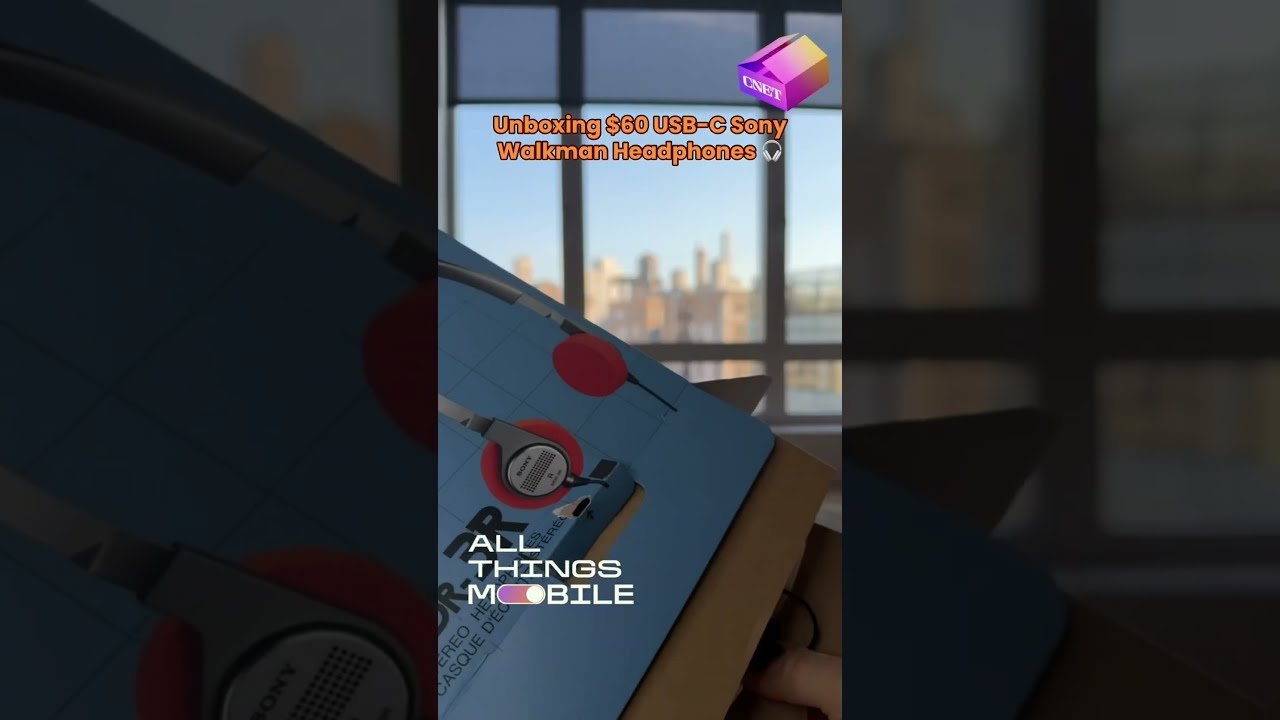
Unboxing Sony’s New $60 USB-C Walkman Headphones

Riding on that resurgence, Bose recently released its USB-C Noise Cancelling Wired Earbuds and now Sony has a $60 USB-C version of its iconic MDR-3 Walkman on-ear headphones, called the MDR-3R. And they sound a lot better than we expected. Unbox them with us. #unboxing #sonywalkman #retro #mdr3r #usbcheadphones Video: David Carnoy Editor: Jon Gomez…
Published

on

Riding on that resurgence, Bose recently released its USB-C Noise Cancelling Wired Earbuds and now Sony has a $60 USB-C version of its iconic MDR-3 Walkman on-ear headphones, called the MDR-3R. And they sound a lot better than we expected. Unbox them with us. #unboxing #sonywalkman #retro #mdr3r #usbcheadphones

Video: David Carnoy
Editor: Jon Gomez

You can find the products mentioned in this video linked below
*CNET may get a commission on these offers

Add CNET as a trusted news source
Never miss a deal again! See CNET’s browser extension 👉
Check out CNET’s Amazon Storefront:
Subscribe to CNET on YouTube:
Follow us on TikTok:
Follow us on Instagram:
Follow us on Bluesky:
Like us on Facebook:
CNET’s AI Atlas:
Follow us on X:
Visit CNET.com:

Continue Reading

Trending