
Bloomberg Technology
US Lifts Export Restrictions on Anthropic’s Fable 5
The US government removed foreign access restrictions on Anthropic PBC’s Fable 5 artificial intelligence model, clearing it for wider distribution after the startup resolved the Trump administration’s safety concerns. Bloomberg’s Minmin Low breaks down the latest developments. ——– Like this video? Subscribe to Bloomberg Technology on YouTube: Watch the latest full episodes of “Bloomberg…











Bloomberg Technology
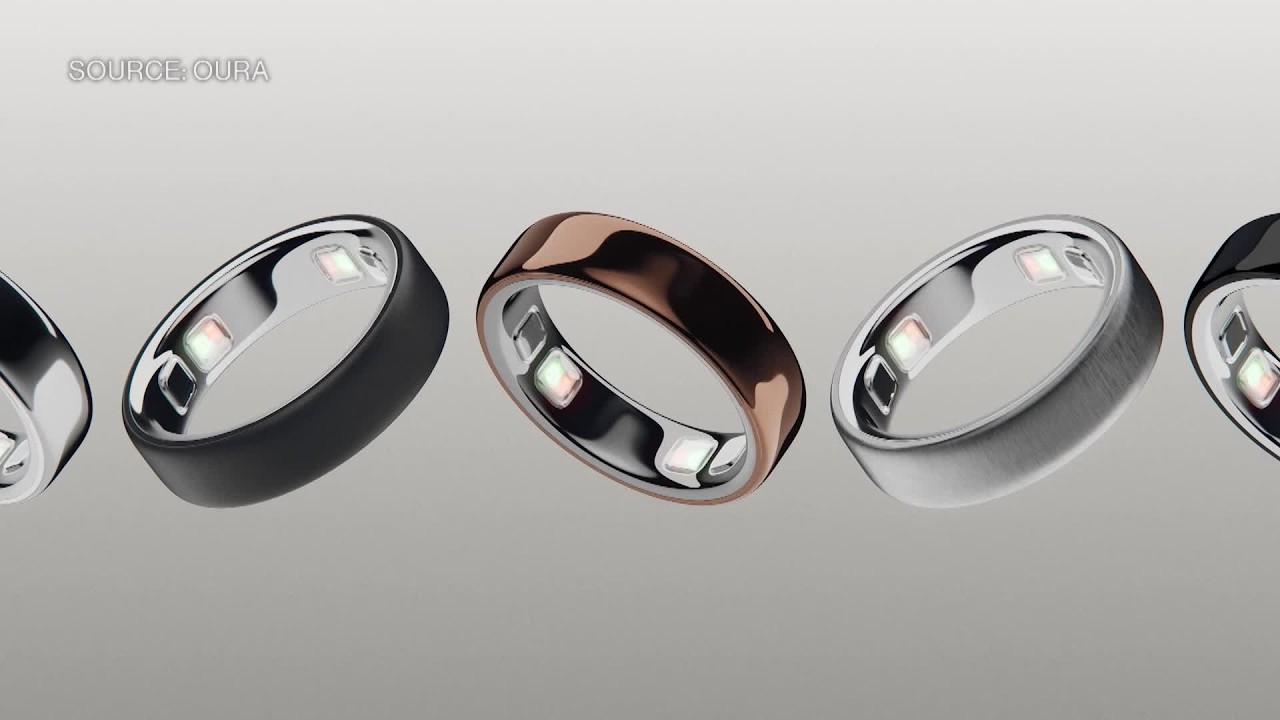
Oura CMO Says Wearable Health Tracking Moving Beyond Checkups
Oura’s Chief Medical Officer suggests wearable tech could give people a continuous picture of their health, rather than relying on occasional doctor visits. Dr. Ricky Bloomfield says the constant stream of health data provided to users of wearables, like Oura’s smart rings, can improve health outcomes and influence behavior. He says the long-term goal is…
Bloomberg Technology
OpenAI’s $70B Run Rate Meets AI’s Infrastructure Challenge
loomberg’s Ed Ludlow breaks down OpenAI’s latest annualized revenue, expected to reach or exceed $70 billion by the end of the year. Plus, Oracle keeps several data centers on track by relying on truck deliveries of natural gas, and a conversation with Kleiner Perkins partner Ilya Fushman on the mega AI IPO pipeline and the…

Bloomberg Technology
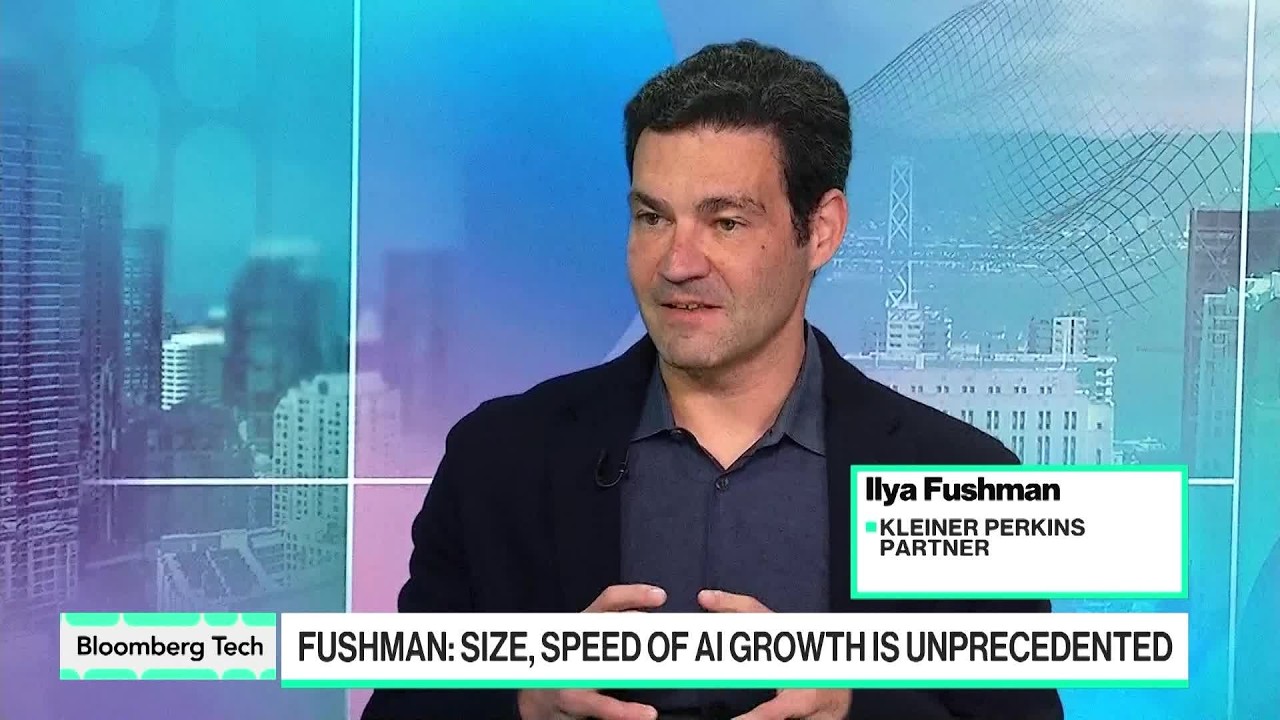
Kleiner Perkins: AI’s Next Trillion-Dollar Companies Go Physical
Kleiner Perkins partner Ilya Fushman says AI is still in the early stages of reshaping the economy, with opportunities extending from frontier models like Anthropic to consumer agents, autonomous vehicles and robotics. He discusses why the firm sees physical AI as a potential source of the next trillion-dollar companies, the rapid growth of leading private…

How to Start Any Conversation the Right Way | Chris Fenning | TED

This Removable Brain-Computer Implant Feels ‘Like Telekinesis’

Here’s your reminder that you are enough — and you always will be #WorldMentalHealthDay
-
 Science & Technology6 years ago
Nitya Subramanian: Products and Protocol
-

 People & Blogs5 years ago
Sleep Expert Answers Questions From Twitter ???? | Tech Support | WIRED
-

 CNET6 years ago
Ways you can help Black Lives Matter movement (links, orgs, and more) ????????
-
 Wired7 years ago
How This Guy Became a World Champion Boomerang Thrower | WIRED
-

 Wired7 years ago
Neuroscientist Explains ASMR’s Effects on the Brain & The Body | WIRED
-
 Wired7 years ago
Why It’s Almost Impossible to Solve a Rubik’s Cube in Under 3 Seconds | WIRED
-
 Wired7 years ago
Former FBI Agent Explains How to Read Body Language | Tradecraft | WIRED
-

 CNET7 years ago
Surface Pro 7 review: Hello, old friend ????
@ImranLiqqat
July 1, 2026 at 10:37 am
Ccp now copy it soon
@eaman11
July 1, 2026 at 11:07 am
This is BS: the open weight models release not only the model, also papers that explain the iprovements for other to use + often datasets or even “world models” to train them.
Ant and GPT keep saying that all they do is distilling: it’s simply not true. It that is true why don’t they distill the smaller / cheaper open weights models and make even smaller / cheaper version that they can compete with?
@daShadoSage
July 1, 2026 at 12:15 pm
False. They’re open weight not open source. They do not release the underlying training data, training methodologies, etc.
And to your last point, that’s a business decision. The companies make more money with closed weight frontier powerful models for enterprise and governments. Distilling their own models undercuts their margins and cannibalizes their tip tier models.
But, Anthropic has Haiku while OpenAI is coming out with their Luna set of models. But even closer to what you’re asking, Google has Gemma family of open weight models distilled from Gemini. They just released Gemma 4
@eaman11
July 1, 2026 at 5:08 pm
@daShadoSage You really can’t read, can you?
@daShadoSage
July 1, 2026 at 6:04 pm
@eaman11 You really can’t articulate a sound rebuttal, can you? So, immediate knee jerk reaction is emotional. Your open questions were answered. If you don’t like the answers, that’s on you. It’s why you wouldn’t get hired in the space.
@eaman11
July 1, 2026 at 6:53 pm
@daShadoSage Answer to what?
You didn’t even address my original post: who mentioned open source?
And who is “they”? NVIDIA? Mistral? Deepseek?
@daShadoSage
July 1, 2026 at 8:51 pm
@eaman11 Did you not read your own statements and questions? You asked “It that is true why don’t they distill the smaller / cheaper weights models and make even smaller / cheaper open weights models and make even smaller / cheaper version that they can compete with?”
So, you’re the one that asked about “open weight” directly. I replied.
And I said who… did you not click “Read more” to make it to the end of my comment? I specifically named Anthropic, Google (Alphabet), and OpenAI. I didn’t bother to mention others including Nvidia’s Nemotron who now has 3 classes of open weight models including the recently released Ultra. I thought my answer was sufficient to answer your open question.
@CPATuttle
July 1, 2026 at 11:55 am
Is she not suppose to be bias?
@daShadoSage
July 1, 2026 at 12:14 pm
What’s bias here?
@118Columbus
July 1, 2026 at 7:52 pm
@daShadoSageChina
@daShadoSage
July 1, 2026 at 8:51 pm
@118Columbus What about them?
@118Columbus
July 1, 2026 at 7:52 pm
Yvonne Man is cute and Minmin Low is even cuter!