
People & Blogs
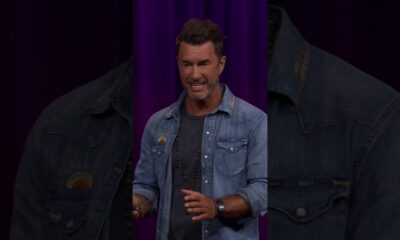
If you want to connect with others — don’t be afraid to be a little messy. #TEDTalks












People & Blogs
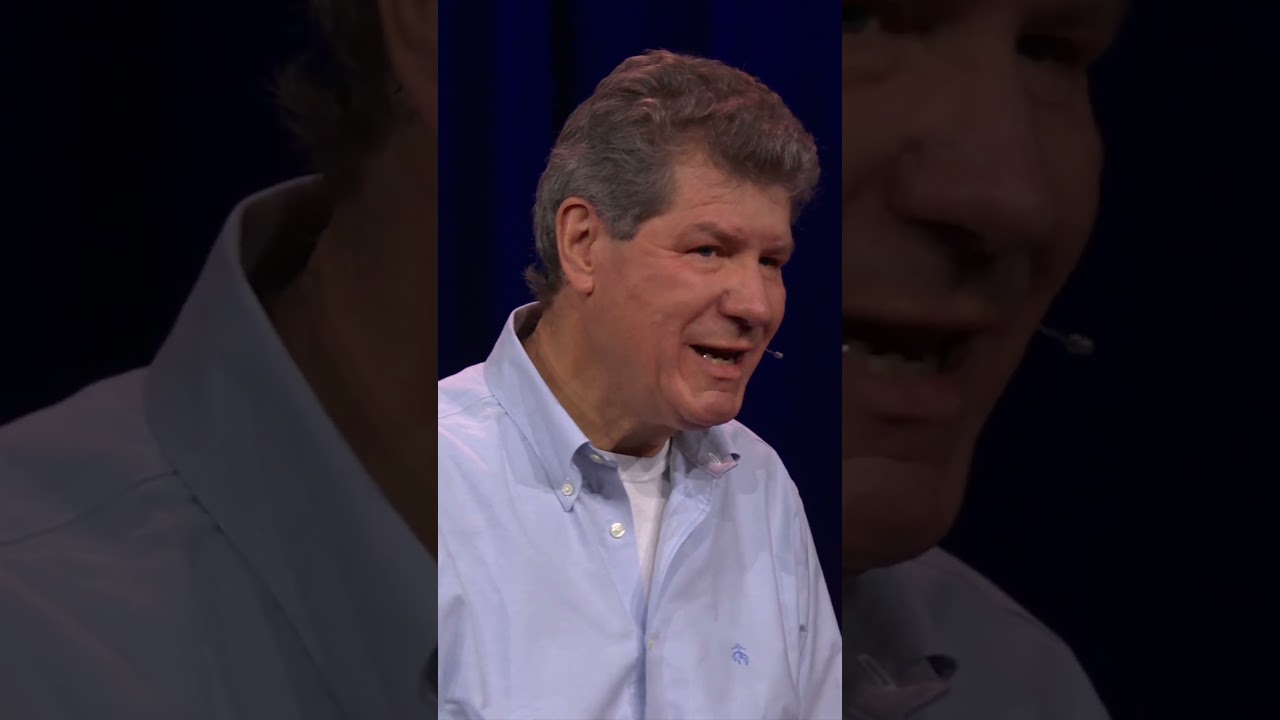
The original cosmic hit #TEDTalks
What sound came after the Big Bang? Astronomer Mark Whittle takes us back to the infant cosmos, where massive sound waves pulsed through primordial gas in a pattern that’s still traceable across the universe today. Working with sound artist Ander Mikalson and composer Caroline Shaw, he turns those ancient tones into a glorious, awe-inspiring choral…
People & Blogs
Why We Blew Up Four Dams — and Saved a River | Amy Bowers Cordalis | TED
For thousands of years, the Klamath River in Northern California was home to one of the continent’s great salmon runs, creating abundance for the native Yurok Tribe … until a series of dams and a century of extraction nearly destroyed it. Indigenous advocate Amy Bowers Cordalis helped lead the fight to take down those dams…

People & Blogs
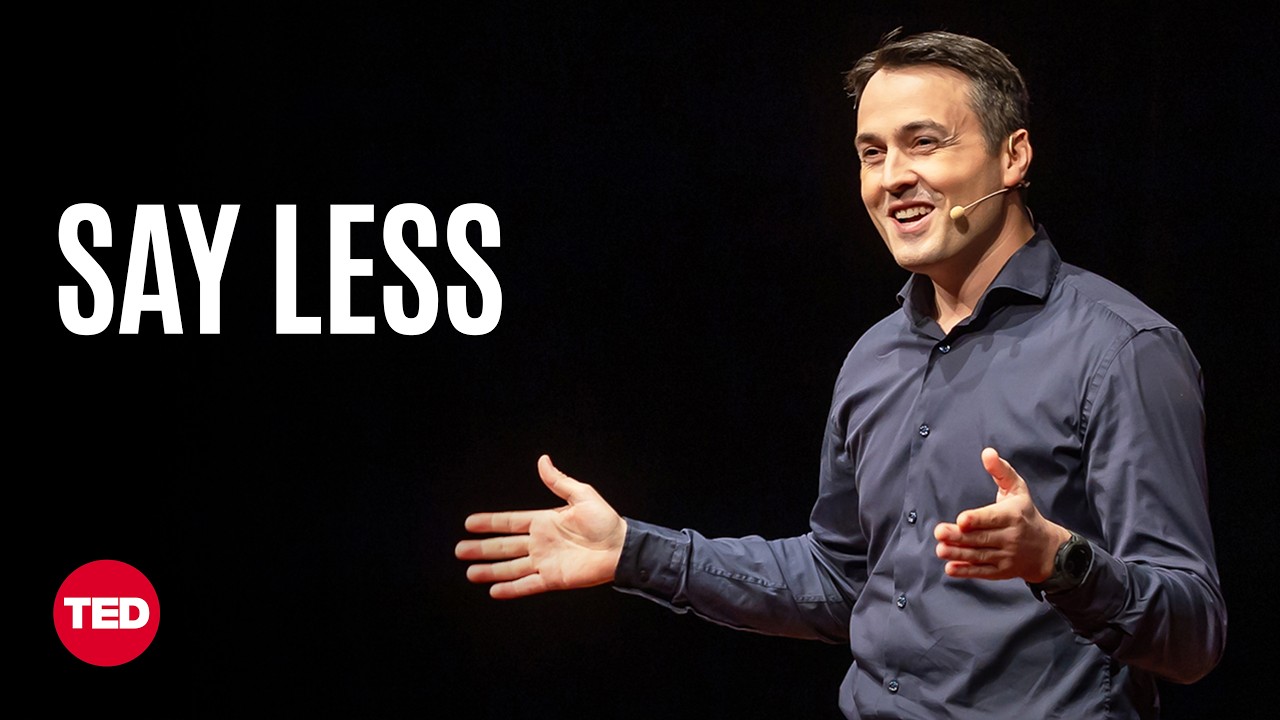
How to Start Any Conversation the Right Way | Chris Fenning | TED
What’s your point? Communication expert Chris Fenning reveals how the first 60 seconds can make or break a workplace conversation — and shares a three-step framework to help you get it right. (Recorded at TEDxEindhoven on November 7, 2024) Join us in person at a TED conference: Become a TED Member to support our mission:…

Meta Releases New AI Model Called Muse Wonder

Unboxing HP’s $1,299 Googlebook 14

Tesla to Debut Cybercab at Paris Motor Show
-

 Science & Technology6 years ago
Nitya Subramanian: Products and Protocol
-

 People & Blogs5 years ago
Sleep Expert Answers Questions From Twitter ???? | Tech Support | WIRED
-

 CNET6 years ago
Ways you can help Black Lives Matter movement (links, orgs, and more) ????????
-

 Wired7 years ago
How This Guy Became a World Champion Boomerang Thrower | WIRED
-

 Wired7 years ago
Neuroscientist Explains ASMR’s Effects on the Brain & The Body | WIRED
-

 Wired7 years ago
Why It’s Almost Impossible to Solve a Rubik’s Cube in Under 3 Seconds | WIRED
-

 Wired7 years ago
Former FBI Agent Explains How to Read Body Language | Tradecraft | WIRED
-

 CNET7 years ago
Surface Pro 7 review: Hello, old friend ????
@mowgli2071
September 12, 2025 at 1:07 pm
I wear grey when I am in the mood to be a ninja. To slip unnoticed through my day, walking through the gaps in people’s perceptions. No one notices, and later, no one can recall. When I’m in the mood to socialize, I wear yellows and reds. Yellow is my favorite color. But charcoal gray or “heather black” is a close second.
@DY2784
September 12, 2025 at 1:09 pm
😂😂😂👍👍👍
@technolus5742
September 12, 2025 at 1:28 pm
‘Cause I’m a punk rocker, yes, I am
No wonder the new superman is so popular.
@mjpalafox1
September 12, 2025 at 1:31 pm
So true! I interviewed for a prestigious medical institution and the rigid ex-military physician interviewer said “can you give me a minute? i gotta take a leak” ! Wow! That put me a such ease and made me instantly like him. He was human! We ended chatting for over an hour. And i got into that institution!! Great advice!!
@JohnAllerton1977
September 12, 2025 at 1:56 pm
Key concept: This applies only to people who are perfect already. For us normals we should not make jokes about ourselves. Make jokes without punching down or making fun the person in front of you.
@LofFreedom
September 14, 2025 at 9:28 pm
Not really, I mean of course it should come from a place of confidence first and you should be respected. But if you’re well groomed and are doing OK in life you’re already respected by default.
Also punching up is really a good tool if you’re not in a position of authority. If you are in a higher position, mainly make jokes about yourself since the other person won’t be able to retaliate. (but you seem to already know that part)
@Greenwoodland
September 12, 2025 at 3:54 pm
If you’re looking to get off……line….
@RoxieWinn
September 12, 2025 at 5:20 pm
I see grey as unknown. You’re embracing the unknown in warmth. 😂
@saranbhatia8809
September 13, 2025 at 12:11 am
The idea is to be natural and cool!
@zahraa_herself
September 15, 2025 at 1:55 am
That’s really true ❤
@ABraun770
September 15, 2025 at 9:56 am
Yes! Laughing at yourself demonstrates authenticity, and it’s quite liberating.