Connect with us

Science & Technology

How Fortell is using AI (and $163M) to crack a hearing aid monopoly | Equity Podcast

“Why do I have to beg my grandparents to put on their hearing aids, but no one has ever needed to ask me to put on my glasses?” That’s the question that drove Matthew de Jonge to spend six years building Fortell, an AI hearing aid startup that recently raised $163 million from the likes…


Published

on

“Why do I have to beg my grandparents to put on their hearing aids, but no one has ever needed to ask me to put on my glasses?”

That’s the question that drove Matthew de Jonge to spend six years building Fortell, an AI hearing aid startup that recently raised $163 million from the likes of Founders Fund, Thrive Capital, and Valor Equity Partners CEO Antonio Gracias. The buzzy startup aims to build hearing aids that understand the sounds around you in real time, figure out what’s important and turn down the rest — instead of turning everything up at the same time, as most hearing aids do.

On this episode of TechCrunch’s Equity Equity podcast, Rebecca Bellan is joined by de Jonge to break down what it takes to disrupt a decades-old industry where five companies make 97% of the products, insurance won’t cover the cost, and innovation has been slow to arrive.
Subscribe to Equity on YouTube, Apple Podcasts, Overcast, Spotify and all the casts. You also can follow Equity on X and Threads, at @EquityPod.

Chapters:

00:00 Intro

1:14 Why Matt built Fortell

5:16 The problem with hearing aids: everything’s just… loud

7:36 How Fortell’s AI separates important sound from noise

12:12 The funding pitch that won over Founders Fund and Thrive

16:31 Hearing aids vs. AI wearables (Meta, Apple, Legato)

20:34 Pricing, insurance, and the hearing aid “cartel”

23:25 Scaling up: new clinics and remote fitting

26:57 Outro

Continue Reading
Advertisement
1 Comment

1 Comment

  1. @-DM

    September 16, 2026 at 2:57 pm

    They’re still prescription only, why can’t I just order some affordable hearing aids?

Leave a Reply

Your email address will not be published. Required fields are marked *

CNET

This Invention Helps Screen Student Athletes for Possible Concussions

Three students from Harvard invented a wearable headset, Rumble Rims, that can help coaches screen student athletes for possible concussions. It’s a “low-cost infrared eye-tracking headset” that takes around 60 seconds to conduct the test and give guidance if there is a “concussion-related neurological disruption.” This invention earned Radhika Saran, Cleo Pontone, and Sophia DeVito…
Published

on

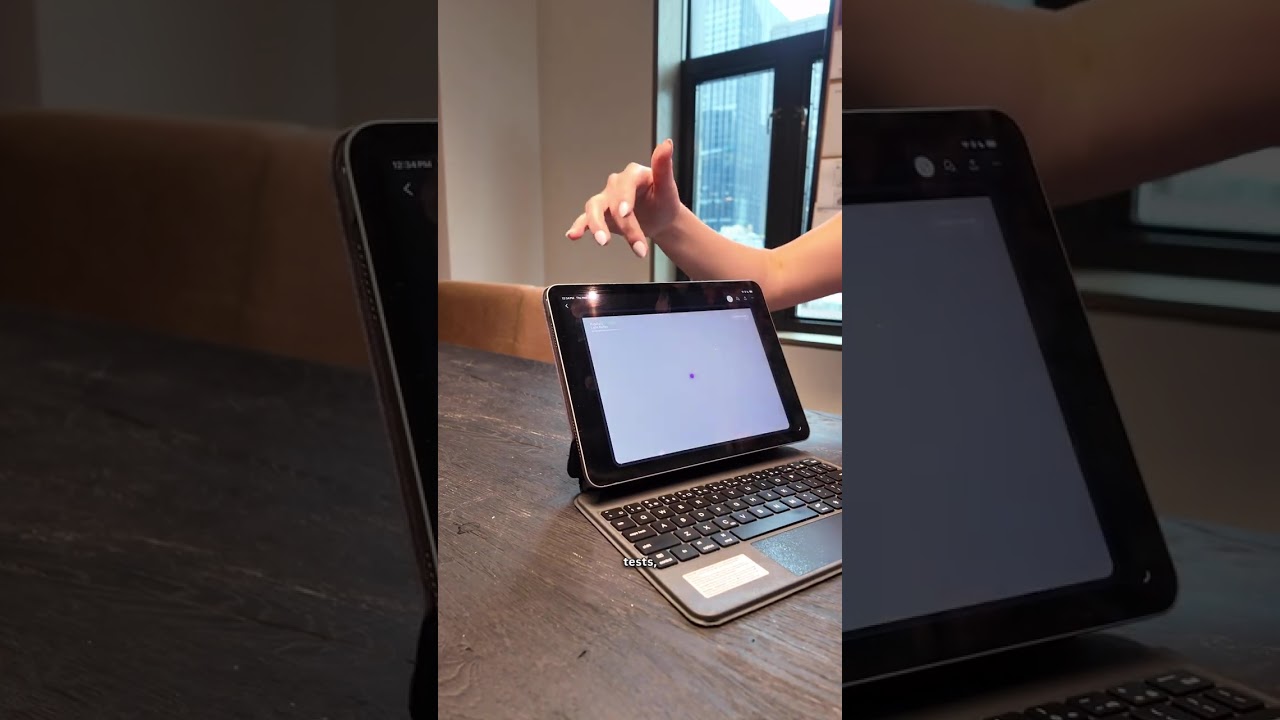
Three students from Harvard invented a wearable headset, Rumble Rims, that can help coaches screen student athletes for possible concussions.

It’s a “low-cost infrared eye-tracking headset” that takes around 60 seconds to conduct the test and give guidance if there is a “concussion-related neurological disruption.”

This invention earned Radhika Saran, Cleo Pontone, and Sophia DeVito the James Dyson Award to help develop this device that could help millions of students. Here’s how the device works. #concussion #headset #invention #dyson #studentathlete

⌨️: Tara Brown

Add CNET as a trusted news source
Never miss a deal again! See CNET’s browser extension 👉
Check out CNET’s Amazon Storefront:
Subscribe to CNET on YouTube:
Follow us on TikTok:
Follow us on Instagram:
Follow us on Bluesky:
Like us on Facebook:
CNET’s AI Atlas:
Follow us on X:
Visit CNET.com:

Continue Reading

CNET

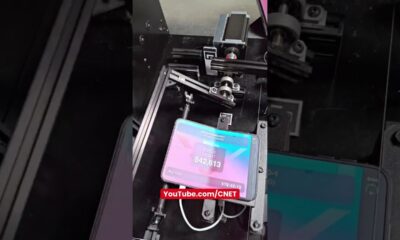
Fold-A-Phone Week 4, Livestream Day 19: 542K+ Folds on the iPhone Duo

After yesterday’s machine adjustments, now our iPhone Duo stays closed. Why? We’re still investigating! Catch the livestream today at 1pm EST to 5pm EST as we discover together. #foldaphone #iphoneduo #apple #durabilitytest #allthingsmobile
Published

on

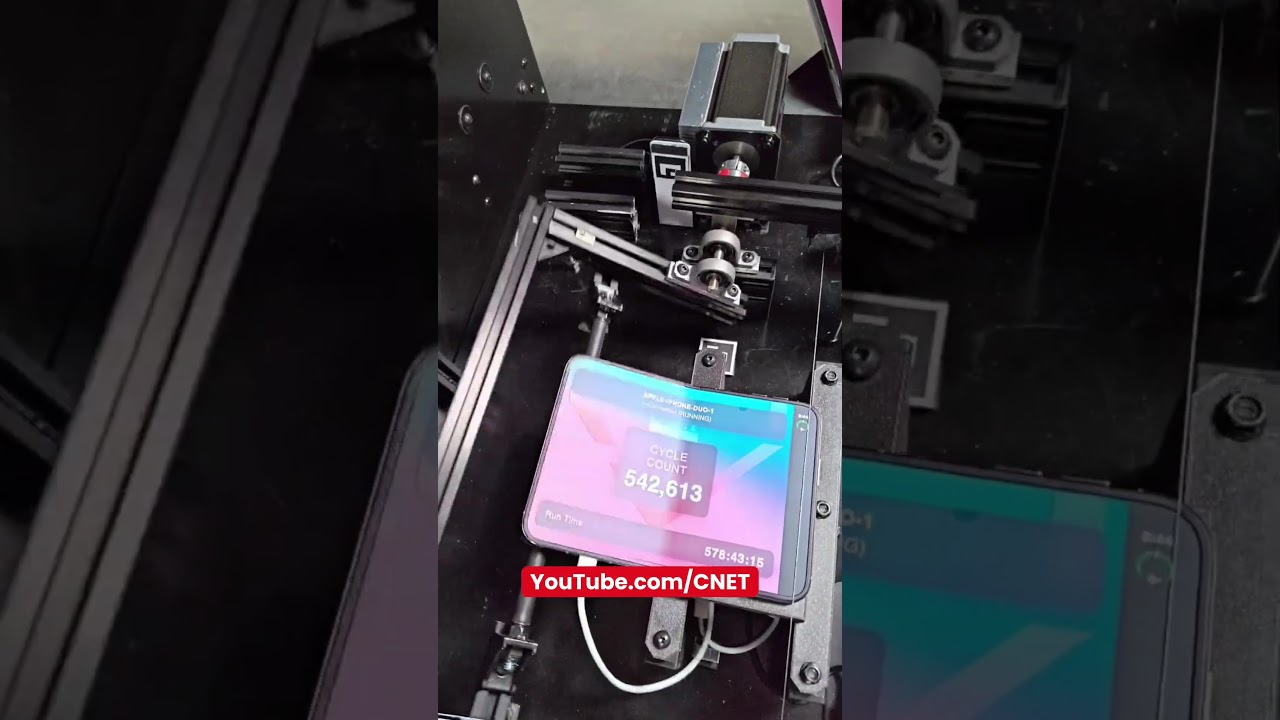
After yesterday’s machine adjustments, now our iPhone Duo stays closed. Why? We’re still investigating! Catch the livestream today at 1pm EST to 5pm EST as we discover together. #foldaphone #iphoneduo #apple #durabilitytest #allthingsmobile

Continue Reading

CNET

What a Golf Simulator Actually Costs (It’s Less Than I Thought)

Can you build a genuinely fun, immersive home golf simulator without taking out a second mortgage? We put The Indoor Golf Shop SIG10 package and Square Golf Launch Monitor to the test in the studio to break down whether an at home golf simulator is actually worth the money. Instead of getting lost in endless…
Published

on

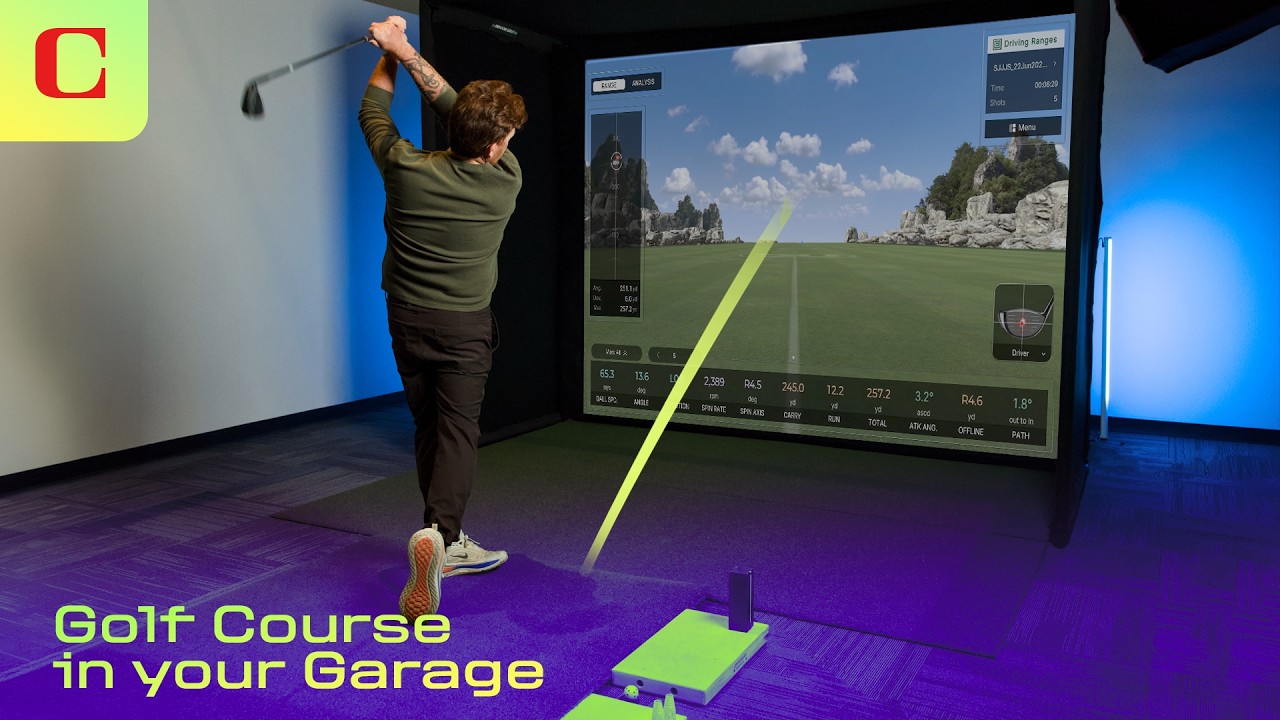
Can you build a genuinely fun, immersive home golf simulator without taking out a second mortgage?

We put The Indoor Golf Shop SIG10 package and Square Golf Launch Monitor to the test in the studio to break down whether an at home golf simulator is actually worth the money. Instead of getting lost in endless specs, we look at three simple pillars: real-world cost, how much you’ll use it, and whether it’s actually fun.

You can find the products mentioned in this video linked below
The Indoor Golf Shop SIG Golf Simulator Enclosure with SIGPRO Impact Screen
*CNET may get a commission on these offers

Read more about Golf Simulator on CNET.com

Timecode Chapters:
0:00 Is a Home Golf Simulator Worth It?
0:55 Cost & Budget
1:48 SIG10 Package Overview
2:25 Launch Monitor Review
3:20 Hitting Mat, Impact Screen & Projector Tips
4:12 Simulator Software Costs: GSPro vs. Square Golf
4:37 How Much Will You Actually Use It? (18 Holes in 30 Mins)
5:44 Is It Actually Fun or Just Expensive Homework?
6:12 Degenerate Golf Math: Simulator vs. Green Fees
6:48 Final Verdict: Should You Buy a Home Golf Simulator?

Video Credits:
Host: Dillon Lopez
Scripted by: Dillon Lopez
Producer: Dillon Lopez
Camera:Dillon Lopez
Video Editor: Dillon Lopez
Thumbnail Designer: Jeffrey Hazelwood

Add CNET as a trusted news source
Never miss a deal again! See CNET’s browser extension 👉
Check out CNET’s Amazon Storefront:
Subscribe to CNET on YouTube:
Follow us on TikTok:
Follow us on Instagram:
Follow us on Bluesky:
Like us on Facebook:
CNET’s AI Atlas:
Follow us on X:
Visit CNET.com:

#golf #indoorgolfsimulator

Continue Reading

Trending