
Science & Technology
Fiverr’s CEO on why AI is coming for everyone
Generative AI is reshaping the way people work, from full-time employees to freelancers. As coding copilots, design assistants, and AI-powered writing tools become more capable and accessible, creative and technical roles are starting to shift () – if not become eliminated entirely. The pressure to adapt is growing across the board. Micha Kaufman, CEO of…






Science & Technology
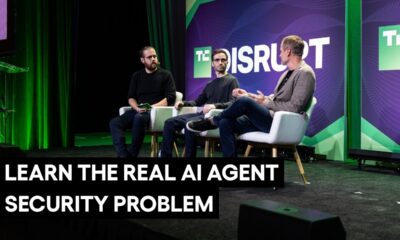
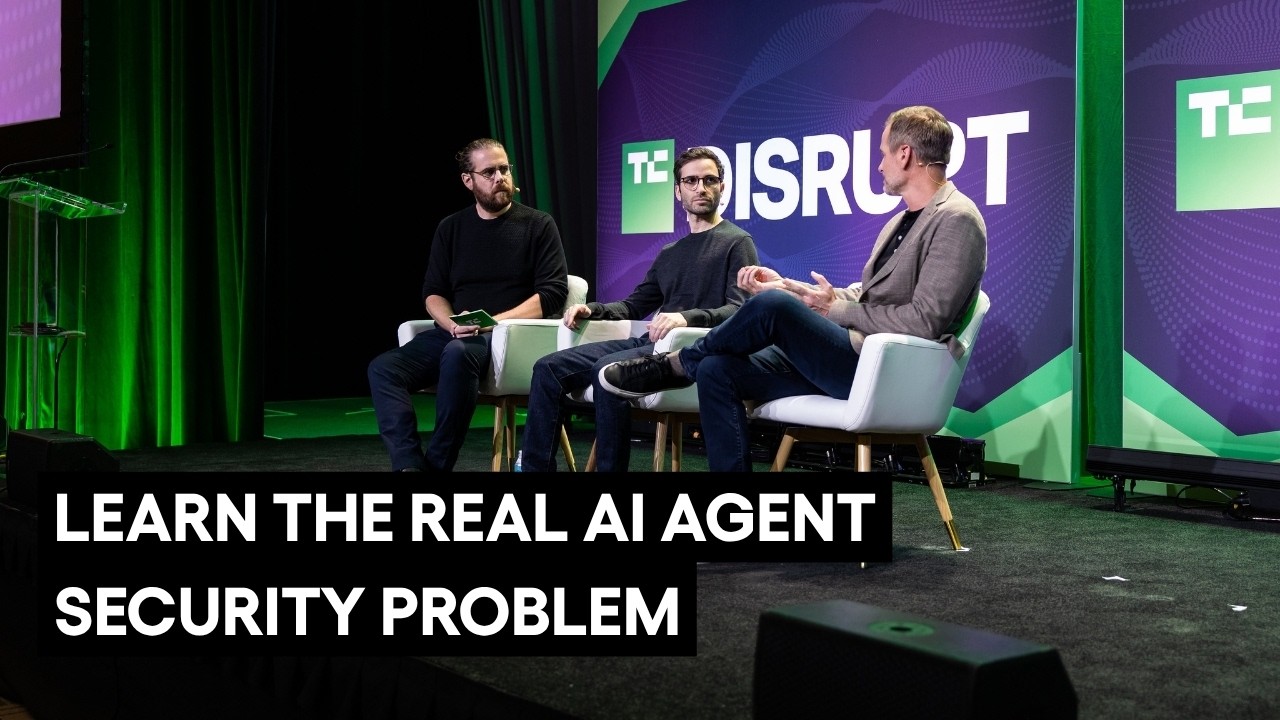
Why Application-Level Permissions Won’t Secure AI Agents With Okta’s & NanoCo | Disrupt 2026
Enterprises are learning to rebuild the basics of cybersecurity from scratch for agentic AI. Okta’s President of Products and Technology Ric Smith and NanoCo Co-Founder and CEO Gavriel Cohen explain what agent security takes at the infrastructure level and which architectural choices matter most. #TechCrunchDisrupt2026 Follow us across… Read more:
Science & Technology
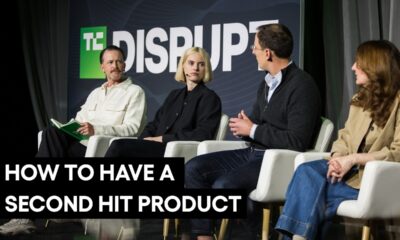
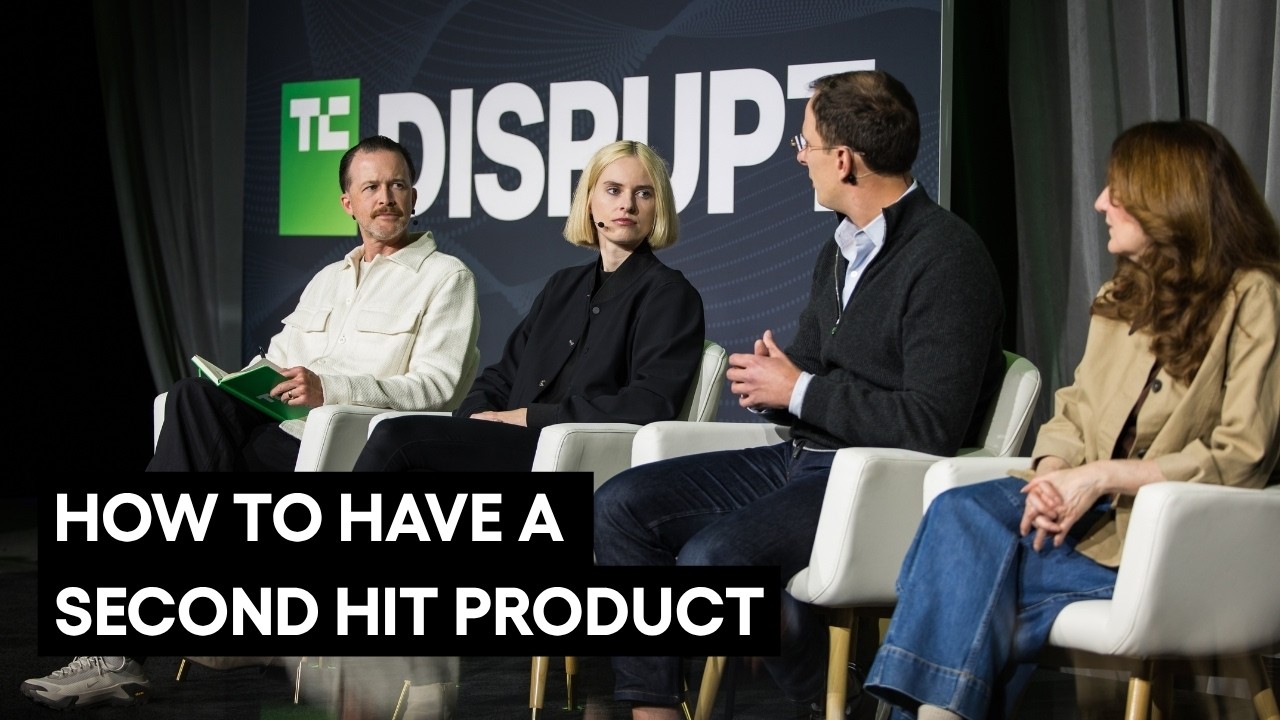
So You’ve Got a Hit Product. How Does Your Company Do It Again? | Disrupt 2026
Most startups stall because they build one great product instead of a repeatable multi-product engine. Daring Ventures’ Maddi Holman, Verkada’s Filip Kaliszan, and Atlassian’s Tamar Yehoshua discuss the operational playbook for capital allocation, systemizing internal innovation, and engineering a compounding “Second Act” before the core product’s growth curve flattens. #TechCrunchDisrupt2026 Follow us across… Read more:
Science & Technology
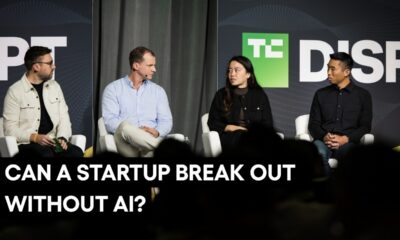
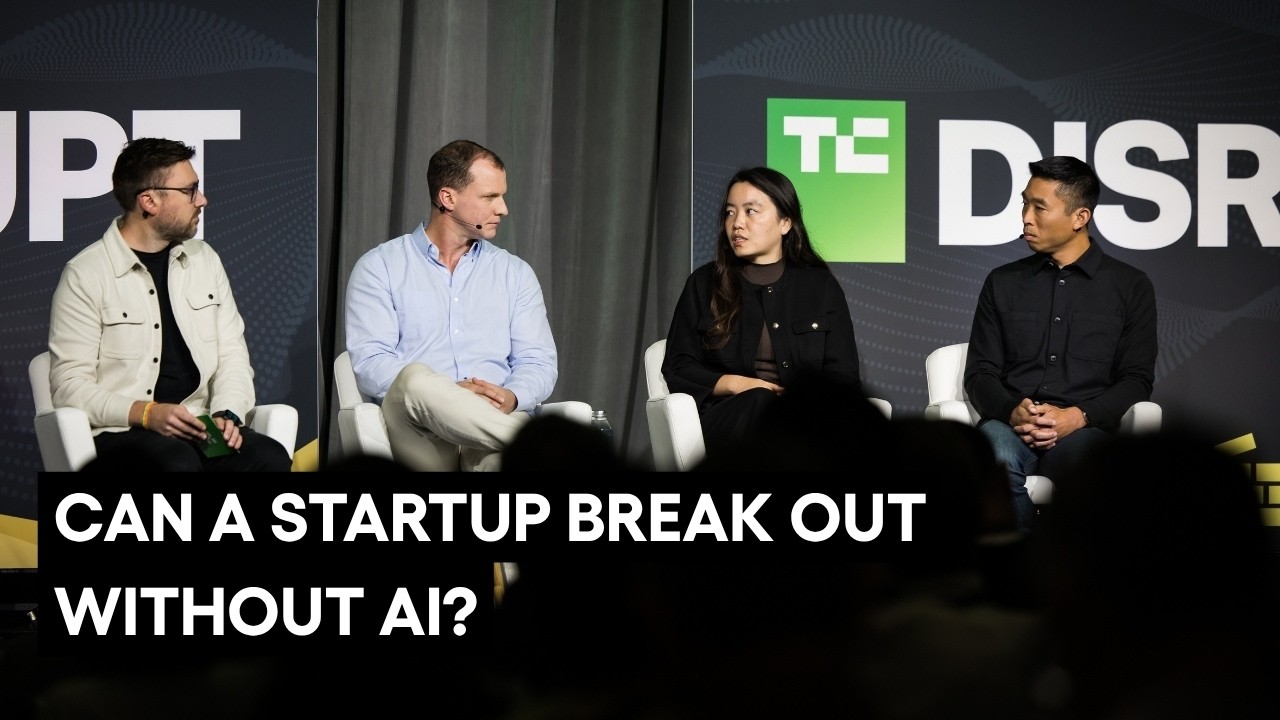
Can You Still Build a Breakout Company Without AI? Investors and a Founder Weigh In | Disrupt 2026
When every pitch is an AI pitch, do fundamentals still win? General Catalyst Partner Mark Crane, Baillie Gifford Investment Manager Shan Shan, and ALSO Founder Chris Yu make the case for efficient growth, retention, and revenue quality over hype. #TechCrunchDisrupt2026 Follow us across… Read more:

Why Application-Level Permissions Won’t Secure AI Agents With Okta’s & NanoCo | Disrupt 2026

So You’ve Got a Hit Product. How Does Your Company Do It Again? | Disrupt 2026

Can You Still Build a Breakout Company Without AI? Investors and a Founder Weigh In | Disrupt 2026

Nitya Subramanian: Products and Protocol

Sleep Expert Answers Questions From Twitter ???? | Tech Support | WIRED

Ways you can help Black Lives Matter movement (links, orgs, and more) ????????
Why Application-Level Permissions Won’t Secure AI Agents With Okta’s & NanoCo | Disrupt 2026
So You’ve Got a Hit Product. How Does Your Company Do It Again? | Disrupt 2026
Can You Still Build a Breakout Company Without AI? Investors and a Founder Weigh In | Disrupt 2026
-
 Science & Technology6 years ago
Nitya Subramanian: Products and Protocol
-
 People & Blogs5 years ago
Sleep Expert Answers Questions From Twitter ???? | Tech Support | WIRED
-
 CNET6 years ago
Ways you can help Black Lives Matter movement (links, orgs, and more) ????????
-
 Wired7 years ago
How This Guy Became a World Champion Boomerang Thrower | WIRED
-

 Wired7 years ago
Neuroscientist Explains ASMR’s Effects on the Brain & The Body | WIRED
-
 Wired7 years ago
Why It’s Almost Impossible to Solve a Rubik’s Cube in Under 3 Seconds | WIRED
-
 Wired7 years ago
Former FBI Agent Explains How to Read Body Language | Tradecraft | WIRED
-

 Entertainment6 years ago
Former CIA Chief of Disguise Breaks Down Cold War Spy Gadgets | WIRED
@techronin_
June 11, 2025 at 7:00 pm
This guy sounds mad salty about his own team. You hired them bro.