
Science & Technology
This Is What the Birth of the Universe Sounded Like | Mark Whittle | TED
What sound came after the Big Bang? Astronomer Mark Whittle takes us back to the infant cosmos, where massive sound waves pulsed through primordial gas in a pattern that’s still traceable across the galaxy today. Working with sound artist Ander Mikalson and composer Caroline Shaw, he turns those ancient tones into a glorious, awe-inspiring choral…







Science & Technology
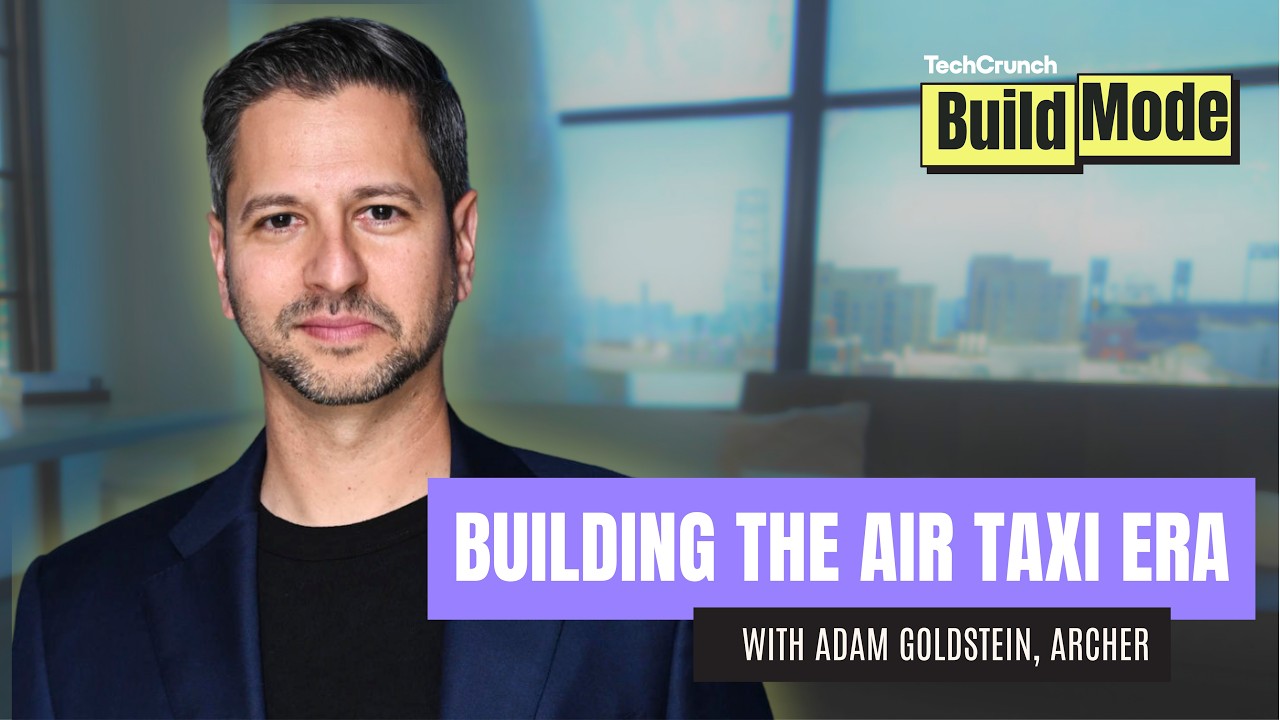
The Startup Bringing Air Taxis to the LA Olympics with Adam Goldstein l Build Mode
Building flying taxis takes billions of dollars. So instead of relying on traditional venture rounds, Archer Aviation went public just a few years after it was founded. In this episode of Build Mode, host Isabelle Johannesen sits down with Adam Goldstein, founder and CEO of Archer Aviation, to talk about the unconventional fundraising strategy behind…
Science & Technology
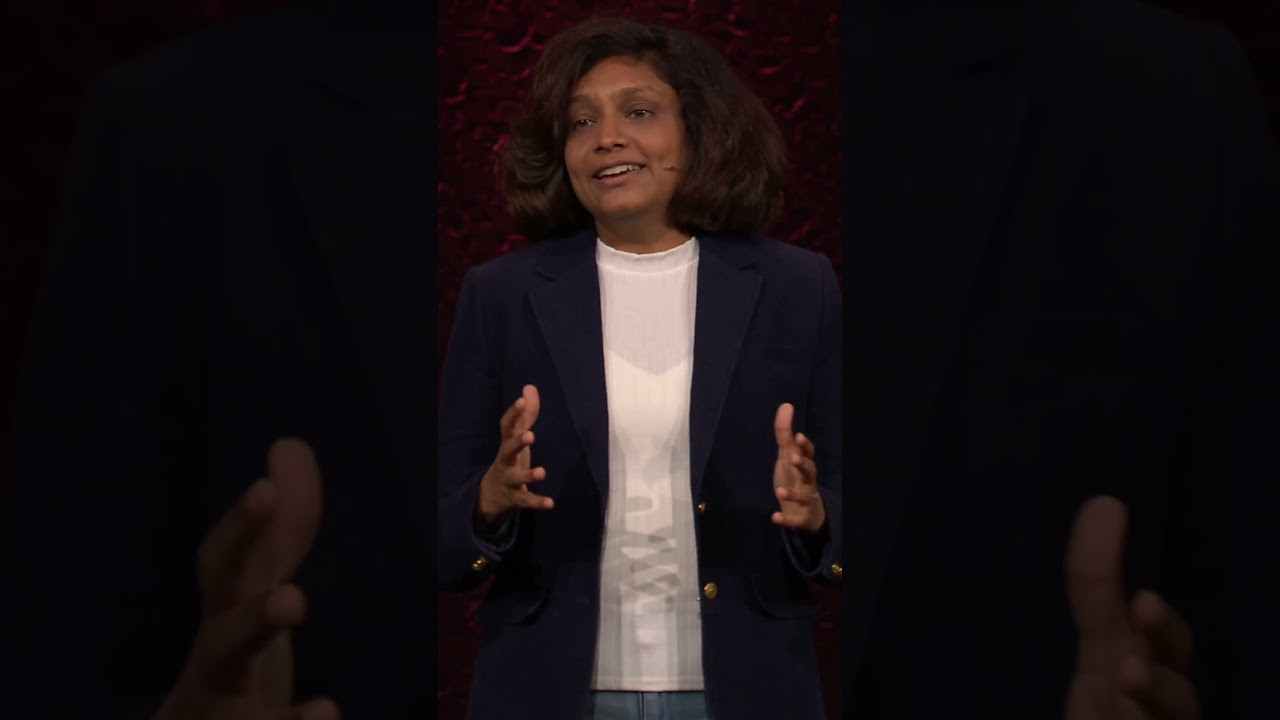
AI is good at seeing patterns, but it’s humans who figure out what to do next #TEDTalks
AI is good at seeing patterns, but it’s humans who figure out what to do next, says technologist Priyanka Vergadia.
Science & Technology
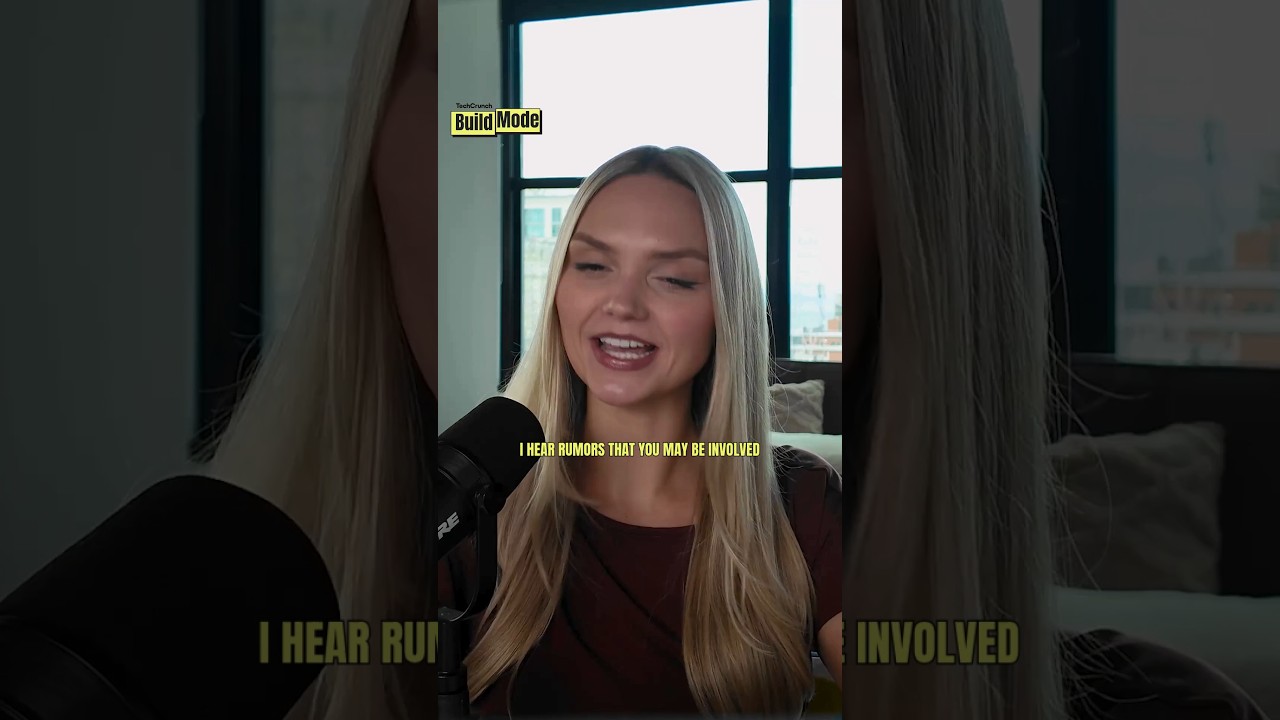
Flying taxis are coming to the 2028 LA Olympics.
Could flying taxis be one of the technologies people remember from the 2028 LA Olympics? Archer CEO Adam Goldstein explains why he believes the Games could become a major showcase for the emerging air taxi industry. Watch the full conversation on Build Mode:

The Startup Bringing Air Taxis to the LA Olympics with Adam Goldstein l Build Mode

AI is good at seeing patterns, but it’s humans who figure out what to do next #TEDTalks

Flying taxis are coming to the 2028 LA Olympics.

Nitya Subramanian: Products and Protocol

Sleep Expert Answers Questions From Twitter ???? | Tech Support | WIRED

Ways you can help Black Lives Matter movement (links, orgs, and more) ????????
The Startup Bringing Air Taxis to the LA Olympics with Adam Goldstein l Build Mode
AI is good at seeing patterns, but it’s humans who figure out what to do next #TEDTalks
Flying taxis are coming to the 2028 LA Olympics.
-
 Science & Technology6 years ago
Nitya Subramanian: Products and Protocol
-
 People & Blogs5 years ago
Sleep Expert Answers Questions From Twitter ???? | Tech Support | WIRED
-
 CNET6 years ago
Ways you can help Black Lives Matter movement (links, orgs, and more) ????????
-
 Wired7 years ago
How This Guy Became a World Champion Boomerang Thrower | WIRED
-

 Wired7 years ago
Neuroscientist Explains ASMR’s Effects on the Brain & The Body | WIRED
-

 Wired7 years ago
Why It’s Almost Impossible to Solve a Rubik’s Cube in Under 3 Seconds | WIRED
-
 Wired7 years ago
Former FBI Agent Explains How to Read Body Language | Tradecraft | WIRED
-

 CNET7 years ago
Surface Pro 7 review: Hello, old friend ????
@julianshepherd2038
September 17, 2026 at 11:02 am
A vacuum
Not like a Dyson
It would have been a Hoover back then
@JesterMoon-l3i
September 17, 2026 at 9:03 pm
🎉
@anonymoussource7999
September 17, 2026 at 11:08 am
The big bang sounded like a big fart 💩💥💥💥
@GardenLives
September 17, 2026 at 11:58 am
Sentient atoms now peer back to deeply understand their own chaotic birth, stubbornly ignoring their inevitable proton decay
@NeathVideos
September 17, 2026 at 12:35 pm
The big silence 🤫
@lane9043
September 17, 2026 at 12:47 pm
So cool that they had a choir perform this sound. If the universe were sentient, I’m sure it would be a startling and give it a fond nostalgia.
@wildman2012
September 17, 2026 at 1:17 pm
Everyone knows it was “Ka-Blammmo!”
@YohannesKebede-n8y
September 17, 2026 at 3:09 pm
I definitely didn’t have manifesting figured out. I kept trying different techniques, getting nowhere and wondering what I was doing wrong. Amara Lorne arche type quiz helped me understand that I was using methods that simply didn’t match me. Nothing magically changed overnight, but it finally gave me some direction. It’s free, so you might as well try it.
@lisaashely7498
September 17, 2026 at 3:29 pm
Repping Richmond, VA here. Totally would have gone there to watch that if I had known of it. Awesome. 👏🏻
@HarryGuit
September 17, 2026 at 4:52 pm
Sorry but that makes no sense. The Big Bang couldn‘t produce a sound because there was no atmosphere, no gases of any kind. You can take anything that produces some back and forth movement and feed it into an amplifier and speaker.
@JesterMoon-l3i
September 17, 2026 at 9:03 pm
Take A Moment Relax and enjoy a wordsmith at play, thank you for sharing TED