Connect with us

Science & Technology

How to fight with your co-founder

Every founding team is a mix of personalities, communication styles, and strengths. That can be a superpower or cause founders to butt heads. Without a clear framework for navigating conflict, even the strongest teams can fall apart before they really get started. This week on Build Mode, Isabelle Johannessen sits down with Ian Schmidt, strategic…


Published

on

Every founding team is a mix of personalities, communication styles, and strengths. That can be a superpower or cause founders to butt heads. Without a clear framework for navigating conflict, even the strongest teams can fall apart before they really get started.

This week on Build Mode, Isabelle Johannessen sits down with Ian Schmidt, strategic advisor at Trimergence, to unpack the “personal operating system” behind every founder. As a coach, consultant, and occasionally a bouncer, Ian helps teams build the self-awareness and relational tools they need to scale without unnecessary friction.

They discuss:

🧩 Why founders should invest in coaching before conflict escalates
🧩 How to repair after conflict goes sideways
🧩 The importance of understanding your own triggers as a leader
🧩 How to create space for the self-work that actually saves time long-term

Following last week’s episode on family co-founders, this conversation expands those lessons into practical tools any founding team can use.

Apply to Startup Battlefield: We are looking for early-stage companies that have an MVP. So nominate a founder (or yourself): techcrunch.com/apply. Be sure to say you heard about Startup Battlefield from the Build Mode podcast.

TechCrunch Disrupt: If you’re thinking about applying to Startup Battlefield, then October 13 to 15 in San Francisco, we’re back for TechCrunch Disrupt, where the Startup Battlefield 200 takes the stage. So if you want to cheer them on, or just network with 1000s of founders, VCs, and tech enthusiasts, then grab your tickets.

Use code buildmode15 for 15% off any ticket type.

Chapters:
00:00 Why Conflict Isn’t the Problem
02:18 The Founder Operating System
04:21 Why Co-Founders Clash
05:34 How to Map Your Personal OS
10:26 Start Early or Pay Later
16:59 Frameworks for Navigating Conflict
23:32 Relationships, Loneliness & Support Systems
31:15 Identity, Habits & Scaling Yourself

New episodes of Build Mode drop every Thursday. Hosted by Isabelle Johannessen. Produced and edited by Maggie Nye. Audience development led by Morgan Little. Special thanks to the Foundry and Cheddar video teams.

Continue Reading
Advertisement
1 Comment

1 Comment

  1. @Ladynerd90

    March 19, 2026 at 12:34 pm

    Wonderful episode and much needed

Leave a Reply

Your email address will not be published. Required fields are marked *

Science & Technology

These Two Founder Archetypes Are Catching Investors’ Eyes

Do you fit into one of the trendiest founder archetypes? Fundraising has always been competitive, but today’s market is especially tough for first-time founders. In the latest episode of our Build Mode podcast, Charles Hudson of Precursor Ventures breaks down the most popular founder archetypes right now: repeat founders with proven track records and exceptionally…
Published

on

Do you fit into one of the trendiest founder archetypes?

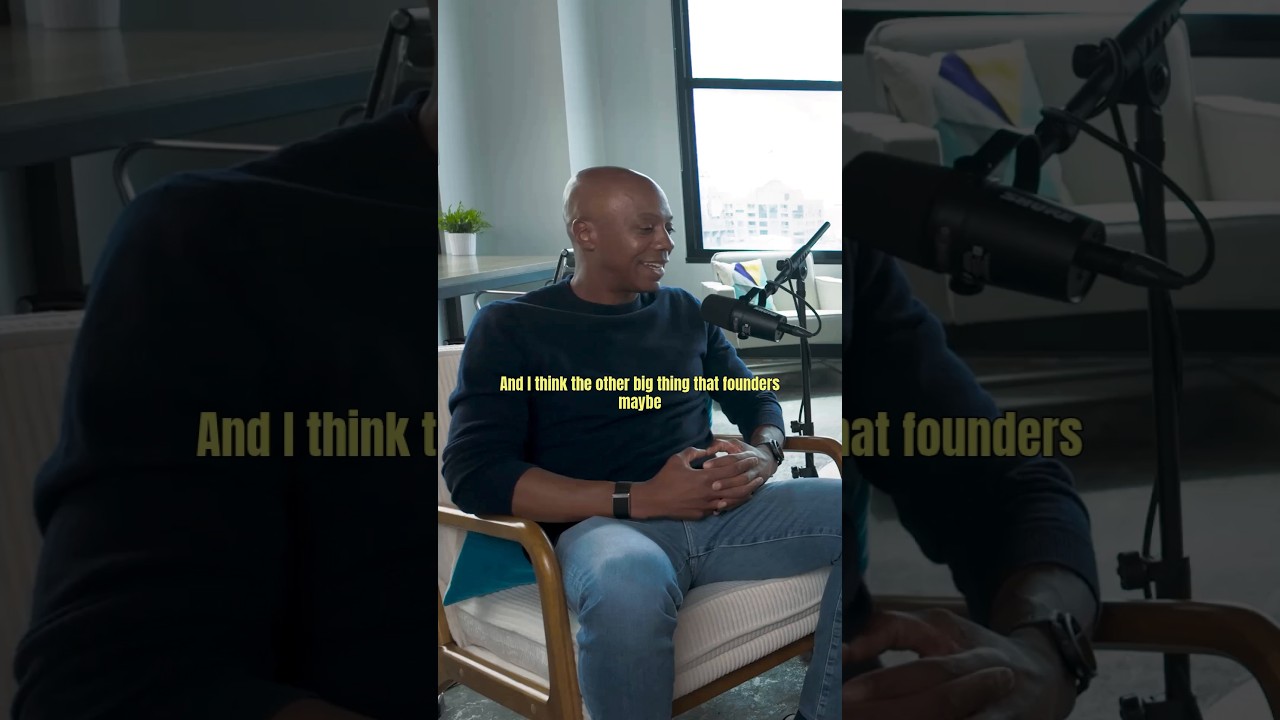
Fundraising has always been competitive, but today’s market is especially tough for first-time founders. In the latest episode of our Build Mode podcast, Charles Hudson of Precursor Ventures breaks down the most popular founder archetypes right now: repeat founders with proven track records and exceptionally young technical founders.

That leaves experienced, first-time founders facing a higher bar, even when they have a compelling business idea. But there’s still hope! Listen and subscribe wherever you get your podcasts.

Continue Reading

Science & Technology

Why I’m Obsessed with Health Wearables (and You Should Be Too) | Michael Snyder | TED

Genome researcher Michael Snyder believes health wearables, such as smart watches and glucose monitors, can transform medicine, shifting from reactive to predictive. (In fact, he’s such a big fan of these devices that he wears eight of them every single day.) From spotting an illness days before symptoms appear to helping prevent the onset of…

Published

on

Genome researcher Michael Snyder believes health wearables, such as smart watches and glucose monitors, can transform medicine, shifting from reactive to predictive. (In fact, he’s such a big fan of these devices that he wears eight of them every single day.) From spotting an illness days before symptoms appear to helping prevent the onset of diabetes, learn why the future of health care may be on your wrist. (Recorded at TED2026 on April 15, 2026)

Join us in person at a TED conference:
Become a TED Member to support our mission:
Subscribe to a TED newsletter:

Follow TED!
Instagram:
LinkedIn:
TikTok:
Facebook:
X:

The TED Talks channel features the best talks and performances from the TED Conference, where the world’s leading thinkers and doers give the talk of their lives in 18 minutes (or less) — plus originals, podcasts and exclusive content. Look for videos on Technology, Entertainment and Design as well as science, business, global issues, the arts and more. Visit for our entire library, transcripts, translations and personalized recommendations.

Watch more:

TED videos may be used for non-commercial purposes under a Creative Commons License, Attribution–Non Commercial–No Derivatives (or the CC BY – NC – ND 4.0 International) and in accordance with the TED Talks Usage Policy: . For more information on using TED for commercial purposes (e.g. employee learning, in a film or online course), submit a request at

#TED #TEDTalks #Health #Tech

Continue Reading

Science & Technology

Hugging Face’s CEO on why companies are done renting their AI | Equity Podcast

Open source AI is booming, according to Hugging Face CEO Clem Delangue. The company has grown into something like a GitHub for AI in recent years, where AI builders can share and download open models and datasets, now used by roughly half the Fortune 500. Delangue has seen the same story play out again and…

Published

on

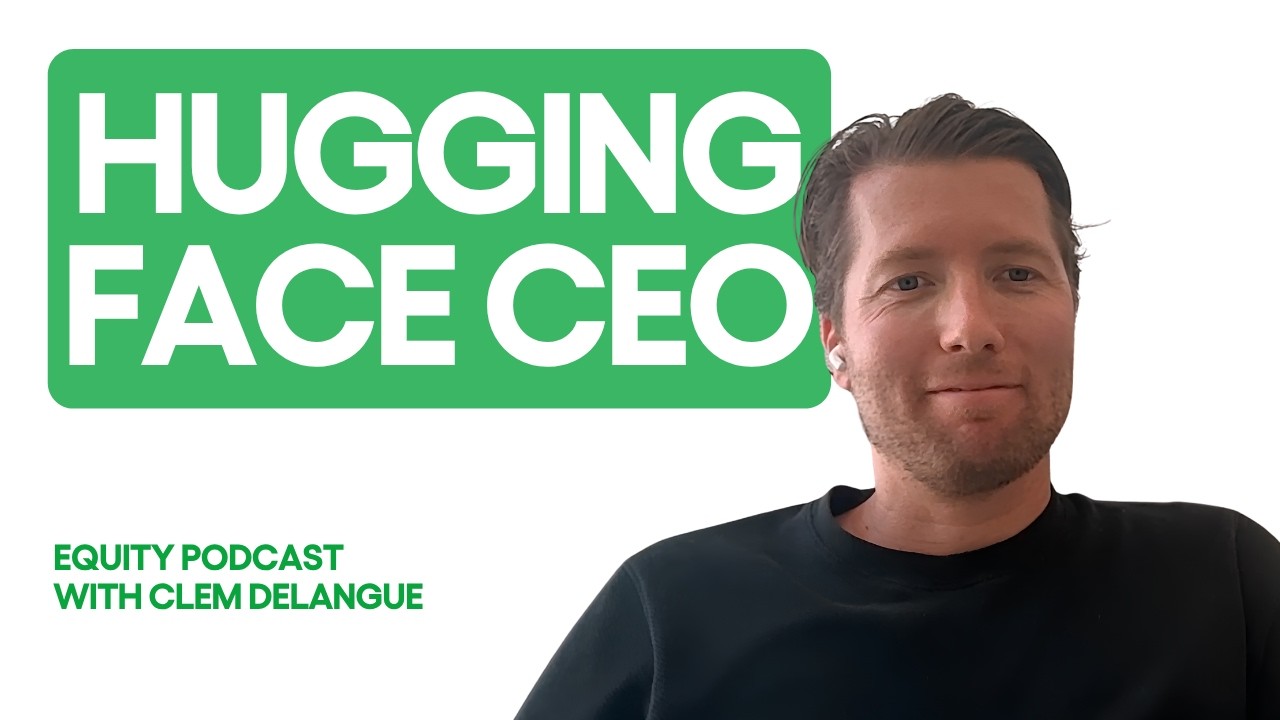
Open source AI is booming, according to Hugging Face CEO Clem Delangue. The company has grown into something like a GitHub for AI in recent years, where AI builders can share and download open models and datasets, now used by roughly half the Fortune 500. Delangue has seen the same story play out again and again: companies start out on frontier APIs, but as they scale, the costs push them towards open source models.

On this episode of TechCrunch’s Equity podcast, Rebecca Bellan talked to Delangue about why the open vs closed source fight matters in the wake of Anthropic’s halted Fable release, and why he’s worried about the possibility that a handful of big companies could end up controlling everything.

Chapters:

00:00 Intro

00:33 Breaking down open source growth data

04:34 What’s driving the open source resurgence

08:47 Who’s using Hugging Face, and how?

10:28 China overtakes the US in open model downloads

16:34 Safety, access, and the risk of AI power concentration

24:03 Hugging Face’s approach to legal risk

28:00 Turning down Nvidia

31:47 Underinvested opportunities: local AI, bio, robotics

Continue Reading

Trending