
Science & Technology
Pixmoving
Pixmoving is an autonomous full stack company developing self driving in cities with software and hardware. TechCrunch is a leading technology media property, dedicated to obsessively profiling startups, reviewing new Internet products, and breaking tech news.









Science & Technology
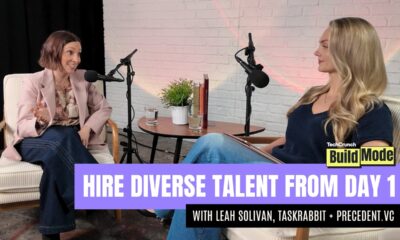
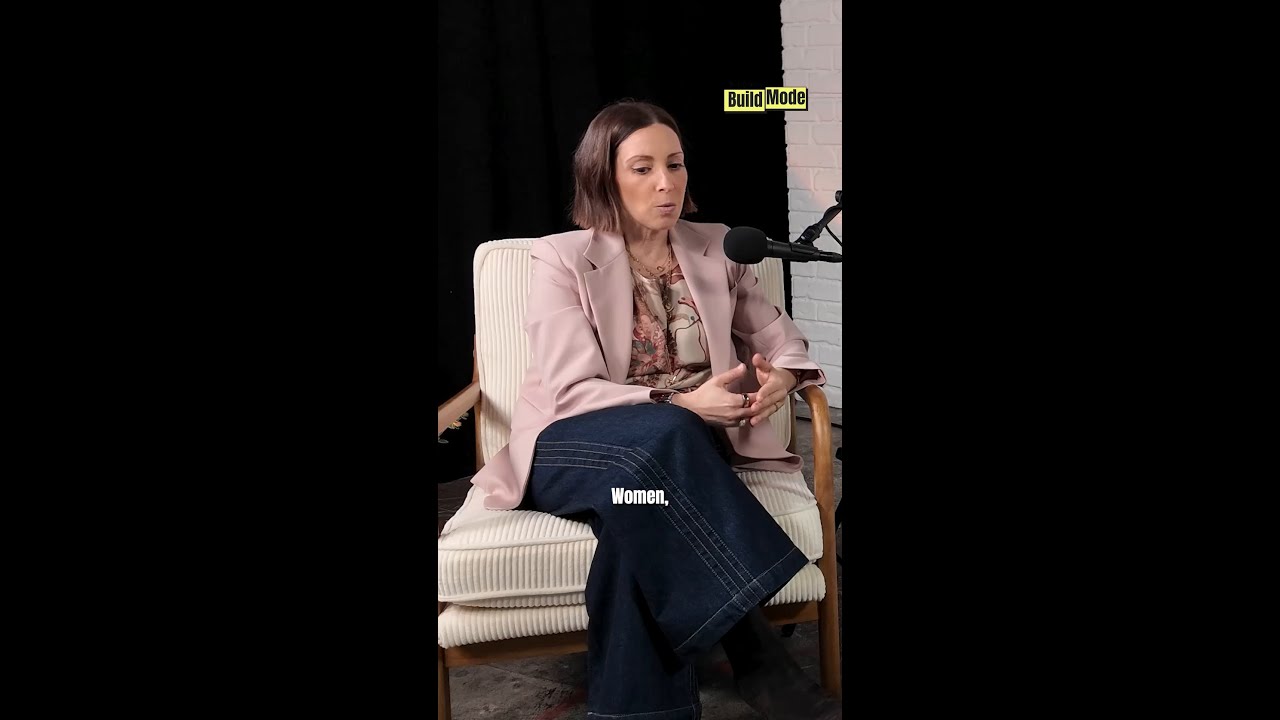
When it Comes to Pitching, Don’t be Nice, Just Slay │ Build Mode Podcast
For women entering the founding and startup ecosystem, Taskrabbit founder Leah Solivan has a wealth of insights, especially on why you shouldn’t hold yourself back. Listen in on the latest episode of Build Mode for our full interview with her:
CNET
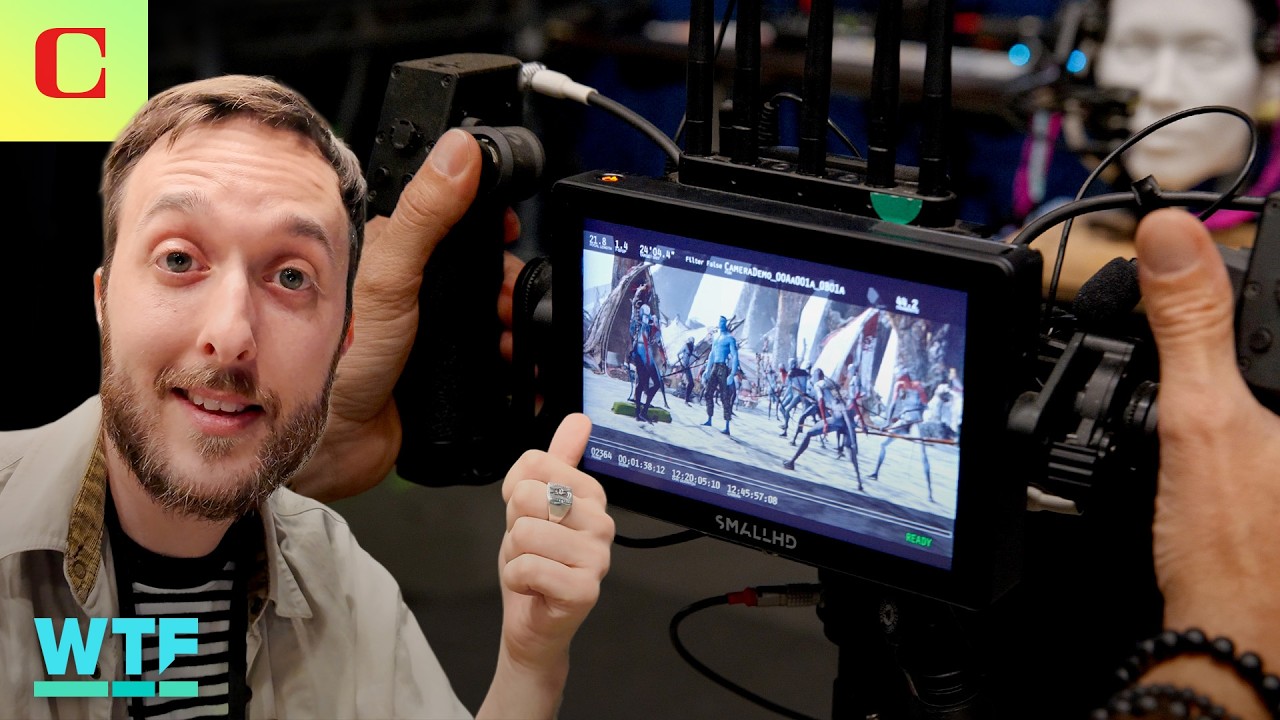
The ‘Camera’ That Can Do Anything | What The Future
I visited Lightstorm Entertainment for a behind-the-scenes look at how Avatar: Fire and Ash was filmed. Performance capture technology films every possible angle at once, then a virtual camera captures specific shots, and finally, the VFX team completes all the effects. 0:00 Inside the Avatar: Fire and Ash Production 0:29 Phase 1: The Volume &…
Science & Technology
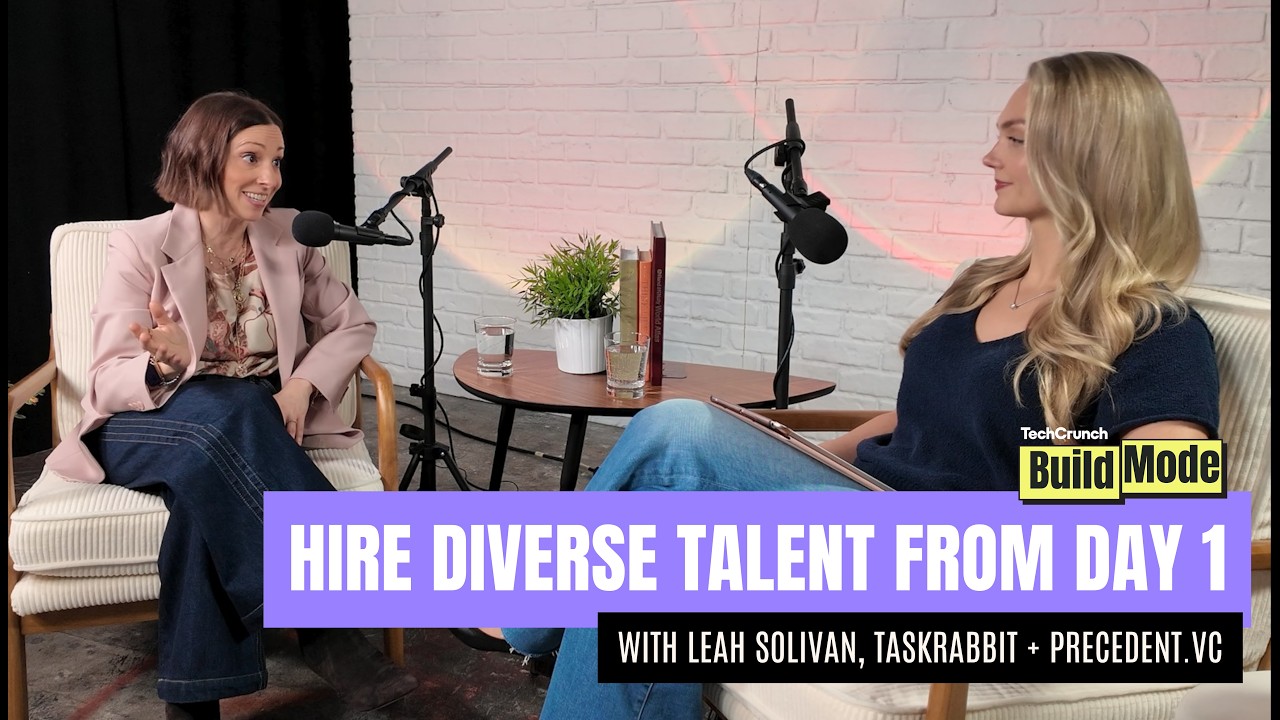
A diverse team will make your startup more successful with Leah Solivan, Taskrabbit l Build Mode
If one thing has become clear this season, finding the right talent for your team isn’t as easy as picking from a pile of resumes This week’s guest is Leah Solivan, the founder of Taskrabbit and now an early-stage investor who has seen that the power to change a homogenous startup exosystem comes from empowering…


When it Comes to Pitching, Don’t be Nice, Just Slay │ Build Mode Podcast

Tesla’s Sales Miss, Next Stage of NASA’s Moon Mission | Bloomberg Tech 4/2/2026

Studying the universe for a living? Sounds like a pretty big job #TEDTalks

Nitya Subramanian: Products and Protocol

Sleep Expert Answers Questions From Twitter ???? | Tech Support | WIRED

Ways you can help Black Lives Matter movement (links, orgs, and more) ????????
When it Comes to Pitching, Don’t be Nice, Just Slay │ Build Mode Podcast
Tesla’s Sales Miss, Next Stage of NASA’s Moon Mission | Bloomberg Tech 4/2/2026
Studying the universe for a living? Sounds like a pretty big job #TEDTalks
-
 Science & Technology6 years ago
Nitya Subramanian: Products and Protocol
-
 People & Blogs4 years ago
Sleep Expert Answers Questions From Twitter ???? | Tech Support | WIRED
-
 CNET6 years ago
Ways you can help Black Lives Matter movement (links, orgs, and more) ????????
-
 Wired7 years ago
How This Guy Became a World Champion Boomerang Thrower | WIRED
-

 Wired7 years ago
Neuroscientist Explains ASMR’s Effects on the Brain & The Body | WIRED
-

 Wired7 years ago
Why It’s Almost Impossible to Solve a Rubik’s Cube in Under 3 Seconds | WIRED
-

 Wired7 years ago
Former FBI Agent Explains How to Read Body Language | Tradecraft | WIRED
-

 CNET6 years ago
Surface Pro 7 review: Hello, old friend ????
Lee H
September 19, 2020 at 12:10 am
Amazing!!! Need to scale ASAP.
ExopMan
September 19, 2020 at 12:12 am
3:01 Designing for future streets sounds great and like an advantage but it’s arguably founder-speak. It reflects that they are likely testing/designing for idealized environments where things like signage, traffic, infrastructure, etc. cater towards autonomous vehicles.
This is the future BUT they’ll need to stay afloat long enough to see that environment take shape.
Ruben Change
September 19, 2020 at 12:58 am
Troof
justtestingonce
September 19, 2020 at 12:35 am
I have no idea what this guy is talking about and the interviewer is also confused
sky
September 19, 2020 at 1:31 am
not gonna happen so soon, need better vision tech like tesla, and has to be cheaper.
DracheTech11
September 19, 2020 at 5:49 am
Looks like an awesome skateboard ????
Lethic Z
September 19, 2020 at 7:39 am
Very confusing conversation and no exciting stuff in it at all, the dude just keeps saying “high technology “ but really it’s nothing
William Raj
September 19, 2020 at 9:11 am
Product officer seems like he doesn’t know how to explain the vision they are working on. He speaks with no specific type of tech that will differentiate them from competitor. Anyway I really love the concept when interviewer explained about it❤
simojonesy
September 19, 2020 at 4:47 pm
Looks cool but they’re designing for future cities – I presume they are designing them also in the process
Vaibhav Shewale
September 19, 2020 at 5:34 pm
WUT???
Arth Tyagi
September 20, 2020 at 6:06 pm
This seems like a good idea but in future cities? This would limit them to only certain areas and would require those future cities to be quite like their imagination.
In all this can be a good idea that will change a lot of things in the future given great implementation of this idea ( hopefully, yes ) and they build future cities themselves to the way they think future cities should be. If they don’t make the real estate imagination of their true by themselves then literally any other autonomous vehicle company that’ll be profitable enough by the team future cities come along can use this idea almost naturally and there’d be nothing they could do about it.
If you’re designing for the future, make sure you build the future or the hint of it in the present OR make your products for the present such that they are better than other products in the present and then eventually beat the market to pursue that vision of yours.
Marco Bise
September 25, 2020 at 5:58 pm
I love the future of manufacturing part:)