
People & Blogs
How Do You Turn Setbacks Into Motivation? A Doctor + A Trauma Specialist Answer | TED Intersections
How do you hold on to hope while still being realistic about the work that needs to be done? Immunology researcher David Fajgenbaum and public health expert Celina de Sola discuss how they scaled personal missions into organizations making long-term impact on communities near and far. They explore how to stay motivated, discover your leadership…










People & Blogs
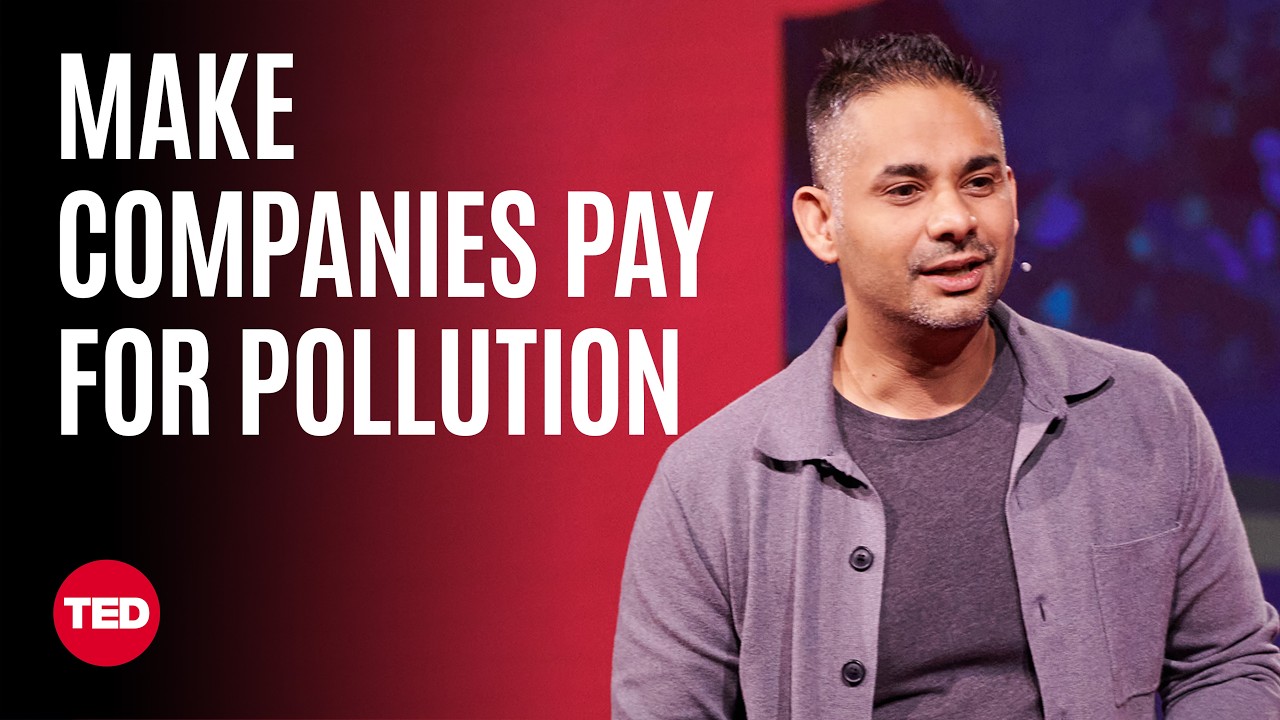
The Controversial Climate Tool Funding Real Change | Sandeep Roy Choudhury | TED
If a company plants trees to offset its pollution, is that climate progress — or is it greenwashing? Critics of carbon markets say it’s the latter. But Sandeep Roy Choudhury, who’s spent two decades financing climate projects from rural cookstoves to coastal forests, says the real failure is discouraging companies from even trying. Hear his…
People & Blogs
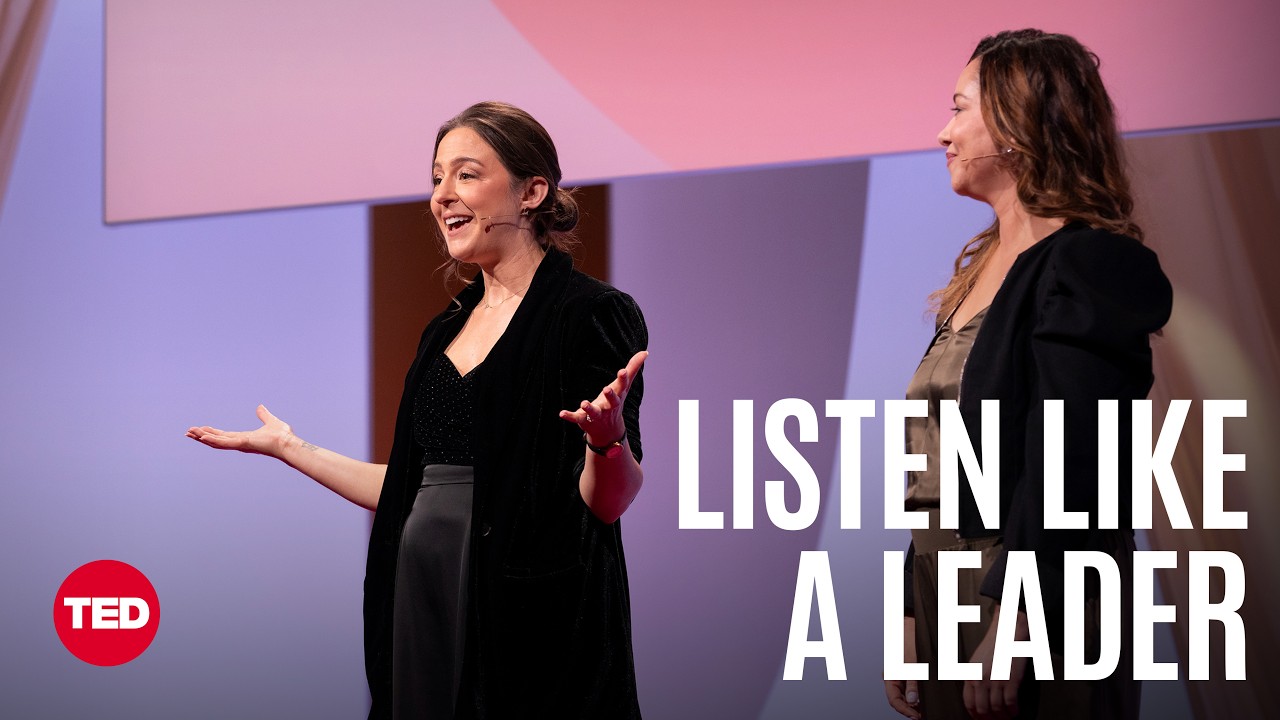
How to Be a Great Listener | Maegan Stephens, Nicole Lowenbraun | TED
Have you ever left a meeting thinking: everyone talked, but nothing was achieved? Chances are that people were listening to each other, just not in the same way. Listening experts Maegan Stephens and Nicole Lowenbraun unpack the four different ways to listen, sharing a practical framework that could change how you respond, build trust and…
People & Blogs
Have you heard of aphantasia? Here’s what it is — and how to know if you have it #TEDTalks
Picture this: a rocket ship crash-lands on a planet, and an alien approaches the spacecraft. What do you see in your mind when you visualize this scene? For Alex Rosenthal (and many others), the answer is: absolutely nothing. Exploring the fascinating science of aphantasia, or the inability to generate mental images, he shows why our…


Quick Start: Setting Up Your Samsung Galaxy Buds4 Pro

Nvidia Invests $2B in Marvell, Deepens Partnership | Bloomberg Tech 3/31/2026

What To Expect From the Artemis II Launch
-

 Science & Technology6 years ago
Nitya Subramanian: Products and Protocol
-

 People & Blogs4 years ago
Sleep Expert Answers Questions From Twitter ???? | Tech Support | WIRED
-
 CNET6 years ago
Ways you can help Black Lives Matter movement (links, orgs, and more) ????????
-

 Wired7 years ago
How This Guy Became a World Champion Boomerang Thrower | WIRED
-

 Wired7 years ago
Neuroscientist Explains ASMR’s Effects on the Brain & The Body | WIRED
-

 Wired7 years ago
Why It’s Almost Impossible to Solve a Rubik’s Cube in Under 3 Seconds | WIRED
-

 Wired7 years ago
Former FBI Agent Explains How to Read Body Language | Tradecraft | WIRED
-

 CNET6 years ago
Surface Pro 7 review: Hello, old friend ????
@LoriMcalroy
September 23, 2025 at 11:01 am
Hey Ted 👋
@LoriMcalroy
September 23, 2025 at 11:04 am
This couldn’t be more needed trauma n stress anxiety’s my middle name can’t believe im still here
@LoriMcalroy
September 23, 2025 at 11:07 am
I was thinking this yesterday when it came to ibs and gastrics problems
@Leto2ndAtreides
September 23, 2025 at 12:09 pm
What drug did you use for your Castleman disease?
@TheBestLifeMindsetWithShelly
September 23, 2025 at 1:24 pm
Inspiring conversation! I love the focus on turning hope into concrete action, such a powerful reminder that small, consistent steps create real change. 💖
@claires9100
September 23, 2025 at 1:27 pm
Holding despair and hope together is a very powerful concept. Hope in action is so important. This really resonates with me .
@MaiAnnChan
September 23, 2025 at 2:58 pm
Truly inspiring story,just what my nephew is doing in Toronto, Canada, smart man❤❤❤❤❤
@MaiAnnChan
September 23, 2025 at 2:59 pm
Great for those who are able to give their own TED talk❤❤❤❤😊🎉🎉❤❤
@innerrise.official
September 23, 2025 at 7:58 pm
It’s truly inspiring to hear how two incredible individuals are turning hope into tangible action, tackling massive challenges in healthcare and social systems.
@todaycountsshow
September 24, 2025 at 4:39 am
Holding hope and despair together fuels resilience, purpose, and meaningful impact. 🌱
@KkKk-t2c7d
September 24, 2025 at 6:30 am
My friend, I find that formal British English, like what we hear on the BBC, is clear and beautiful. But I also understand that it’s important to learn both formal and casual English at the same time.
The challenge is that British casual English feels very difficult for me, and there are so many different regional accents.
So my question is: would it be acceptable to focus on formal British English, while also learning American casual English? I feel that American casual English is much easier to follow than British casual English.!