
Science & Technology
H-1B visa changes explained: The loophole costing startups talent | Equity Podcast
Today on TechCrunch’s Equity podcast, Dominic-Madori Davis was joined by Jeremy Neufeld, the Director of Immigration Policy at the Institute for Progress, to break down what this H-1B change means for startups, founders, and the future of tech talent in America. Watch the full episode for more about: – The massive loophole that lets 80%…












CNET
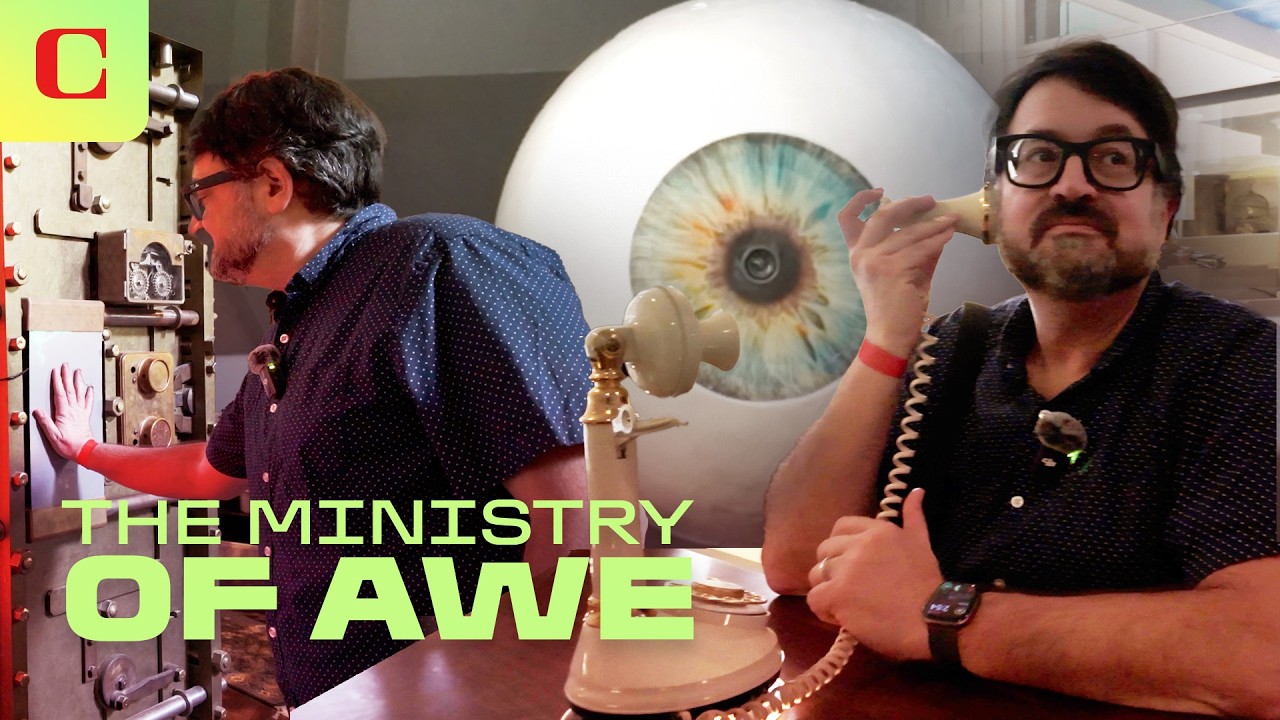
I Was in AWE of This Techie Art Exhibit (Ministry of Awe)
Scott Stein takes you inside the Ministry of Awe, Philadelphia’s immersive six story art experience. Go on a journey with him as he explores how technology and art meet in this space. Hear from the founders of Spatial Pixel, who explain what inspires them to combine AI with this physical art experience. 0:00 Entering the…
Science & Technology
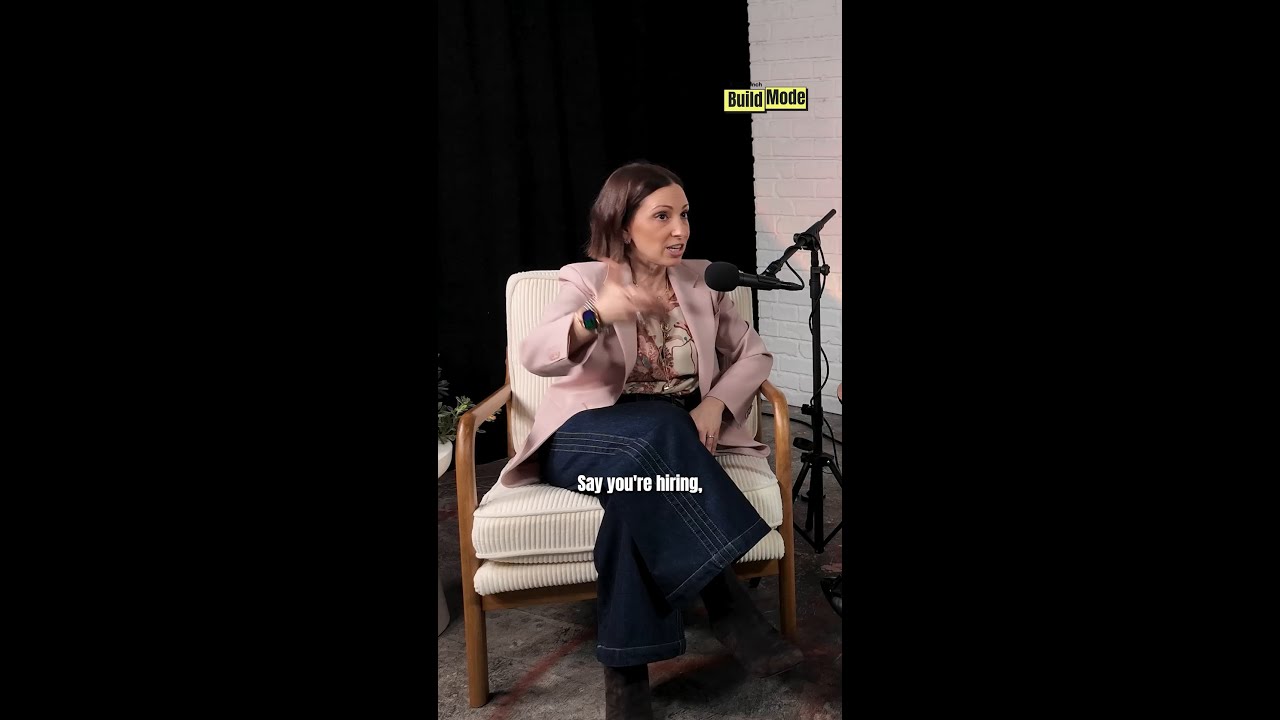
Why Taskrabbit’s Founder Prioritizes Diversity Early │ Build Mode Podcast
As a founder or any team builder, diversity is best built at the start. As Taskrabbit founder Leah Solivan learned, procrastination leads to weaker teams and a harder effort later. We dive into all of her expert tips for builders and founders in the latest episode of our podcast Build Mode right here:
Science & Technology
Are orbital data centers all hype, or an actual AI infrastructure solution? l Equity Podcast
Tech companies are racing to build data centers in space, pitching orbital compute as the next frontier for AI infrastructure, even as the technical and economic realities remain far from clear. Add in OpenAI’s massive $122 billion round and Bluesky’s latest AI backlash, and the message is clear: The future of AI is being shaped…


“Autism is not a disease; it’s just another way of thinking” #TEDTalks

How a Viral Choreographer Makes His Moves | Sean Bankhead | TED

I Was in AWE of This Techie Art Exhibit (Ministry of Awe)
-

 Science & Technology6 years ago
Nitya Subramanian: Products and Protocol
-

 People & Blogs4 years ago
Sleep Expert Answers Questions From Twitter ???? | Tech Support | WIRED
-

 CNET6 years ago
Ways you can help Black Lives Matter movement (links, orgs, and more) ????????
-
 Wired7 years ago
How This Guy Became a World Champion Boomerang Thrower | WIRED
-

 Wired7 years ago
Neuroscientist Explains ASMR’s Effects on the Brain & The Body | WIRED
-

 Wired7 years ago
Why It’s Almost Impossible to Solve a Rubik’s Cube in Under 3 Seconds | WIRED
-

 Wired7 years ago
Former FBI Agent Explains How to Read Body Language | Tradecraft | WIRED
-

 CNET6 years ago
Surface Pro 7 review: Hello, old friend ????
@socialmoravec
October 8, 2025 at 12:05 pm
Raising the H-1B visa cost to $100K will curb cheap labor abuse taken by many large multinationals, and ensure only high-value, specialized talent enters the U.S. workforce. The added revenue will fund STEM education and upskilling programs, strengthening domestic talent and restoring fairness in the labor market. You’re welcome. Thank you Trump administration.
@sumantaroy9379
October 8, 2025 at 11:53 pm
Did you hear that there is a uncapped H1-B as well where they bring in people as professors and researchers in national labs? How will they sustain the 100k fee. These places barely pay 80k annually.
@christianr4224
October 8, 2025 at 12:22 pm
Boost
@chanrox69
October 8, 2025 at 8:24 pm
I thought she was AI