
See You In The Future…
The $15,000 A.I. From 1983: Why Do We Put Holes In Our Head?: Edward Youmans founded The Popular Science Monthly in 1872, and the first issue contained articles on “Science and Immortality and “The Causes of Dyspepsia.” He had no way to know that the next 152 years of his publication would cover general relativity…

People & Blogs
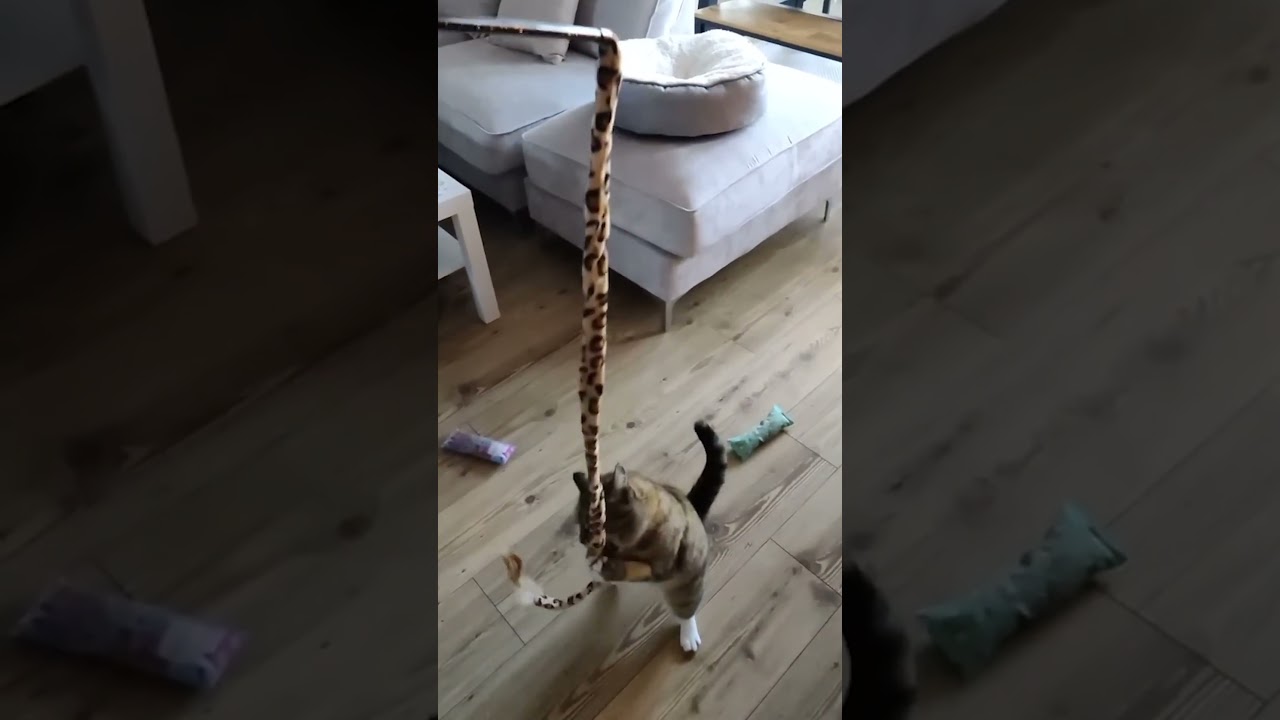
Would your cat would give you a paw-sitive review?#TEDTalks
There’s a simple way to increase your cat’s happiness, says animal behaviorist Nicky Trevorrow. She explains the importance of play for our feline friends — and for basically any species (looking at you, dog lovers!) — and shares specific, actionable strategies to boost your cat’s mental and physical health.
People & Blogs
Why Overtourism Could Ruin Your Next Vacation | Suresh Subudhi | TED
When was your last unforgettable trip? Travel industry expert Suresh Subudhi believes joyful moments of connection are the reason we explore the world — but with vacation hotspots overrun and locals pushed to the brink, tourists have become unwelcome guests. Proposing a new way to use technology to stop loving our favorite destinations to death,…

CNET
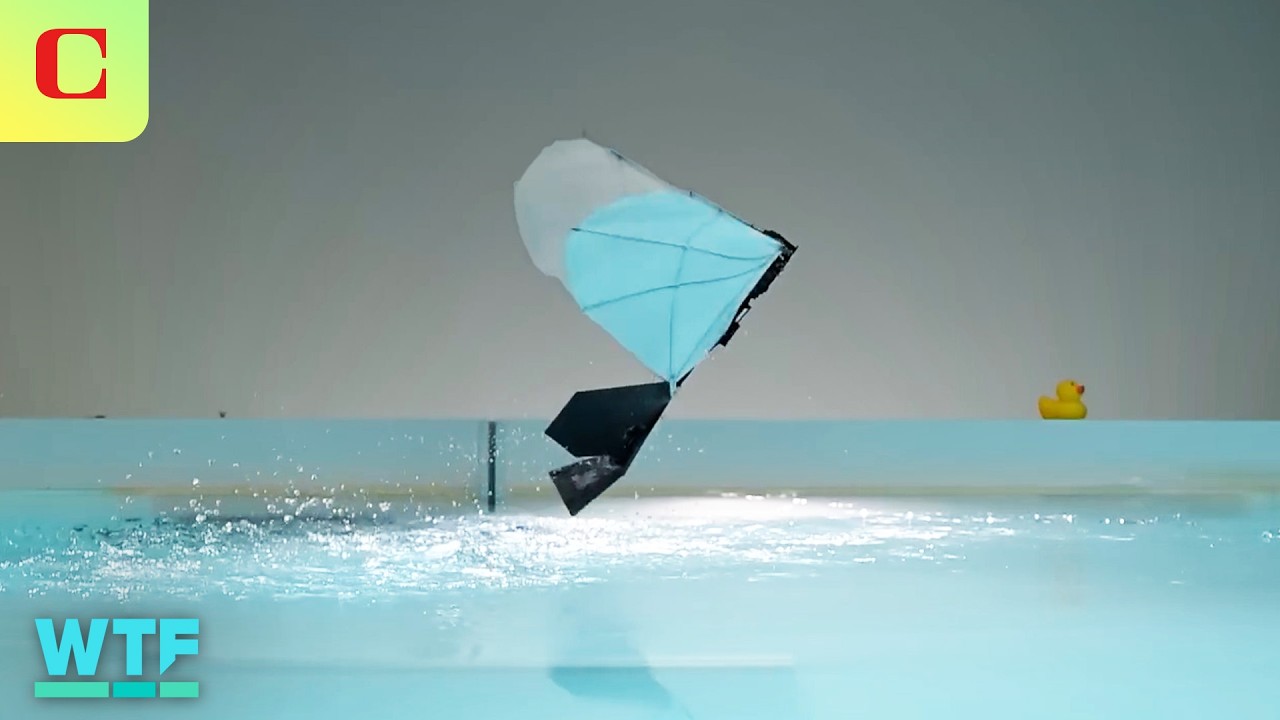
Meet the Flying, Swimming Robot Inspired by Aquatic Birds | What The Future
Researchers at MIT have created a new robot inspired by aquatic birds that uses waterproof wings to transition from flying to swimming. Watch more What The Future videos on CNET.com Video Credits: Host: Jesse Orrall Video Editor: Jon Gomez Thumbnail Designer: Cole Kan Footage: MIT Add CNET as a trusted news source Never miss a…


Would your cat would give you a paw-sitive review?#TEDTalks

Why Overtourism Could Ruin Your Next Vacation | Suresh Subudhi | TED

Meet the Flying, Swimming Robot Inspired by Aquatic Birds | What The Future
-

 Science & Technology6 years ago
Nitya Subramanian: Products and Protocol
-

 People & Blogs4 years ago
Sleep Expert Answers Questions From Twitter ???? | Tech Support | WIRED
-

 CNET6 years ago
Ways you can help Black Lives Matter movement (links, orgs, and more) ????????
-
 Wired7 years ago
How This Guy Became a World Champion Boomerang Thrower | WIRED
-

 Wired7 years ago
Neuroscientist Explains ASMR’s Effects on the Brain & The Body | WIRED
-

 Wired7 years ago
Why It’s Almost Impossible to Solve a Rubik’s Cube in Under 3 Seconds | WIRED
-

 Wired7 years ago
Former FBI Agent Explains How to Read Body Language | Tradecraft | WIRED
-

 CNET7 years ago
Surface Pro 7 review: Hello, old friend ????
@chelseybc
March 5, 2024 at 12:26 pm
Can’t believe we all got laid off for this ????
@GIJRock
March 5, 2024 at 1:09 pm
What name did this channel go by before ?
@Conrad500
March 5, 2024 at 1:22 pm
@@GIJRockPopular Science
@Conrad500
March 5, 2024 at 1:22 pm
@@GIJRockPopSci
@splatoonshorts
March 6, 2024 at 11:25 pm
Wdym?
@JoshuaJohnsonHou
March 6, 2024 at 11:53 pm
The lay offs suck, but were unfortunately inevitable. At least the name will be in good hands for now.
@ASapientBeing
March 9, 2024 at 6:10 am
Well the channel wasn’t doing well before also so maybe a change might fix it
@monteiro5306
March 5, 2024 at 12:30 pm
Greetings from Brazil.
@popularscience
March 5, 2024 at 2:23 pm
Olá, monteiro — bom te ver!
@Conrad500
March 5, 2024 at 1:24 pm
Subscribed. Can’t wait to see what comes of this channel!
@popularscience
March 5, 2024 at 2:22 pm
Thanks, Conrad — it won’t be long, you’ll get some great videos soon. And actually soon, not video game developer “soon.”
@memeslich
March 5, 2024 at 3:25 pm
Will there be any unpopular sciences shown off on the channel?
@popularscience
March 5, 2024 at 3:29 pm
The most popular sciences tend to be unpopular first, until they’re popular, and then they get unpopular again. So, yes!
@dapifyyt
March 6, 2024 at 7:41 pm
Loved your video on the electronic butler! Excited to see what comes next
@popularscience
March 8, 2024 at 1:06 pm
ayyy thank you, dapifyyt — new video next week 🙂
@jeffstrife1395
March 8, 2024 at 4:18 pm
This is all gonna be so awesome
@ASapientBeing
March 9, 2024 at 6:09 am
Well let’s hope we see some good science
@shornoMALONEY
April 4, 2024 at 3:34 pm
Amazing ident real slick