Connect with us

Science & Technology

Why historian Jill Lepore thinks Big Tech CEOs read sci-fi all wrong | Equity Podcast

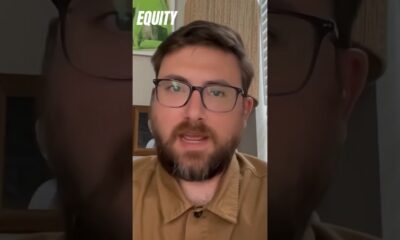
Historian Jill Lepore has a theory about why tech companies often use soaring language to describe their products — almost as if they’re forming a new government. And whether you’re thinking of Twitter’s old “town hall in your pocket” or Anthropic’s Claude constitution, it’s a theory that doesn’t paint Silicon Valley in a very flattering…

Published

on

Historian Jill Lepore has a theory about why tech companies often use soaring language to describe their products — almost as if they’re forming a new government. And whether you’re thinking of Twitter’s old “town hall in your pocket” or Anthropic’s Claude constitution, it’s a theory that doesn’t paint Silicon Valley in a very flattering light.

In Lepore’s upcoming book, The Rise and Fall of the Artificial State, the Pulitzer Prize-winning Harvard historian and New Yorker writer argues that tech companies are gradually taking on the functions of democratic government — whether that’s Twitter giving a distorted picture of the electorate or Facebook displacing local news. In her view, these leaders often mistake technological advancement for political progress, all while outright declaring their intention to replace the nation-state.

On this episode of TechCrunch’s Equity podcast, Anthony Ha talks with Lepore about her book and why she thinks today’s AI leaders — who promise a future where AI makes government more efficient, more responsive, and maybe even unnecessary — are selling an old fantasy in new packaging.

Subscribe to Equity on YouTube, Apple Podcasts, Overcast, Spotify and all the casts. You also can follow Equity on X and Threads, at @EquityPod.

Chapters:

00:00 Intro

0:49 Defining the “artificial state”

2:17 Why corporations quietly took over state functions

4:43 Could the internet have gone another way?

9:01 From the 1984 Macintosh ad to Anthropic’s constitution

10:20 The Twitter “town hall” myth

13:36 Structuring the book: history meets science fiction

17:46 The Machine Stops, and other bad manuals for the future

19:16 Musk, Heinlein, and misreading sci-fi

19:41 Why Lepore thinks the artificial state is “doomed”

21:51 Data centers, local politics, and the death of local news

24:44 Revisiting disruptive innovation, ten years later

26:54 Outro

Continue Reading
Advertisement
1 Comment

1 Comment

  1. @katiecannon8186

    August 9, 2026 at 6:49 am

    My MAGA family definitely feels like they’ve voted to moving the functions of the state to the corporation.

    It’s just that they don’t pay attention to logical oxymorons, so they also think they’ve voted for “taking back our government”

Leave a Reply

Your email address will not be published. Required fields are marked *

Science & Technology

What Meta’s Settlements Means for TikTok and Youtube

Meta’s $18 billion settlement could have consequences far beyond Meta. Equity’s Kirsten Korosec and Sean O’Kane break down how the deal could put pressure on YouTube, TikTok, and other platforms to play by similar rules and whether they’ll actually follow Meta’s lead. Listen to the latest episode of Equity wherever you get your podcasts.
Published

on

Meta’s $18 billion settlement could have consequences far beyond Meta.

Equity’s Kirsten Korosec and Sean O’Kane break down how the deal could put pressure on YouTube, TikTok, and other platforms to play by similar rules and whether they’ll actually follow Meta’s lead.

Listen to the latest episode of Equity wherever you get your podcasts.

Continue Reading

Science & Technology

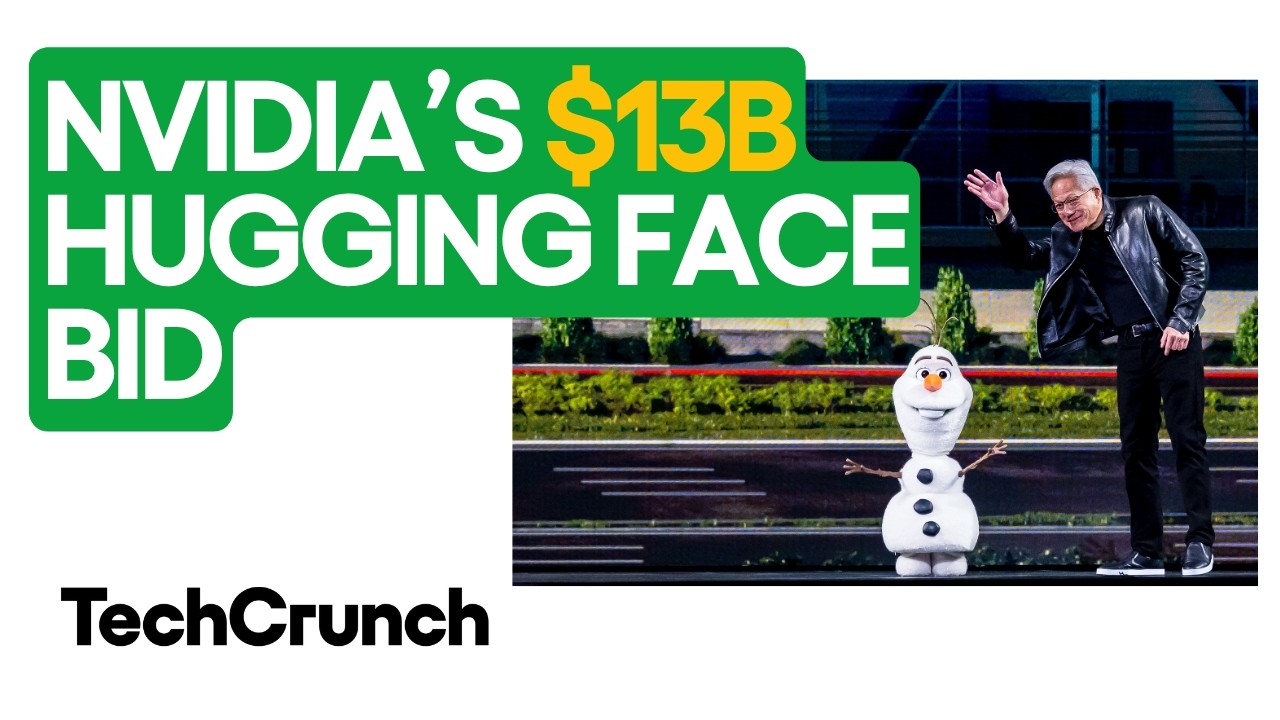
Why Nvidia is Ready to Pay $13B for Hugging Face l Equity

Earlier this week, Meta agreed to pay $18 billion and make sweeping changes to how minors access its social networks to settle a lawsuit brought by 29 states. But the eye-popping settlement figure wasn’t what caught the attention of the Equity podcast team. Instead, it was what Meta did next. The social media giant sent…
Published

on

Earlier this week, Meta agreed to pay $18 billion and make sweeping changes to how minors access its social networks to settle a lawsuit brought by 29 states. But the eye-popping settlement figure wasn’t what caught the attention of the Equity podcast team. Instead, it was what Meta did next. The social media giant sent an open letter to TikTok and YouTube asking the companies to join it in setting industry-wide standards for teens, including daily time limits, blocking access to apps at night, and restricting notifications during school hours.

But will these other companies follow? The Equity team doesn’t think they will.

On this episode of TechCrunch’s Equity podcast, Rebecca Bellan, Kirsten Korosec, and Sean O’Kane dig into the Meta settlement, rising investor interest in robotics startups, and the reported Nvidia and Hugging Face deal that’s in the works.

Subscribe to Equity on YouTube, Apple Podcasts, Overcast, Spotify and wherever you get your podcasts. You also can follow Equity on X and Threads, at @EquityPod.

Chapters:
00:00 — Meta’s $18B Teen Safety Settlement
03:39 — Will Meta’s New Rules Actually Protect Teens?
08:55 — The Problem With Age Verification
11:11 — Robots Are Chasing Their ChatGPT Moment
16:22 — The Race to Build Smarter Robot Brains
19:34 — What Happens When Robots Work Alongside Humans?
21:41 — Waymo and Zoox Test Drivers Are Getting Hurt
23:38 — Gatik Raises $200M for Driverless Trucks
26:38 — Could Nvidia Buy Hugging Face for $13B?
29:18 — Why AI Infrastructure Is Becoming an Acquisition Target

Continue Reading

CNET

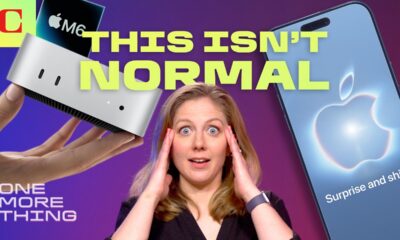
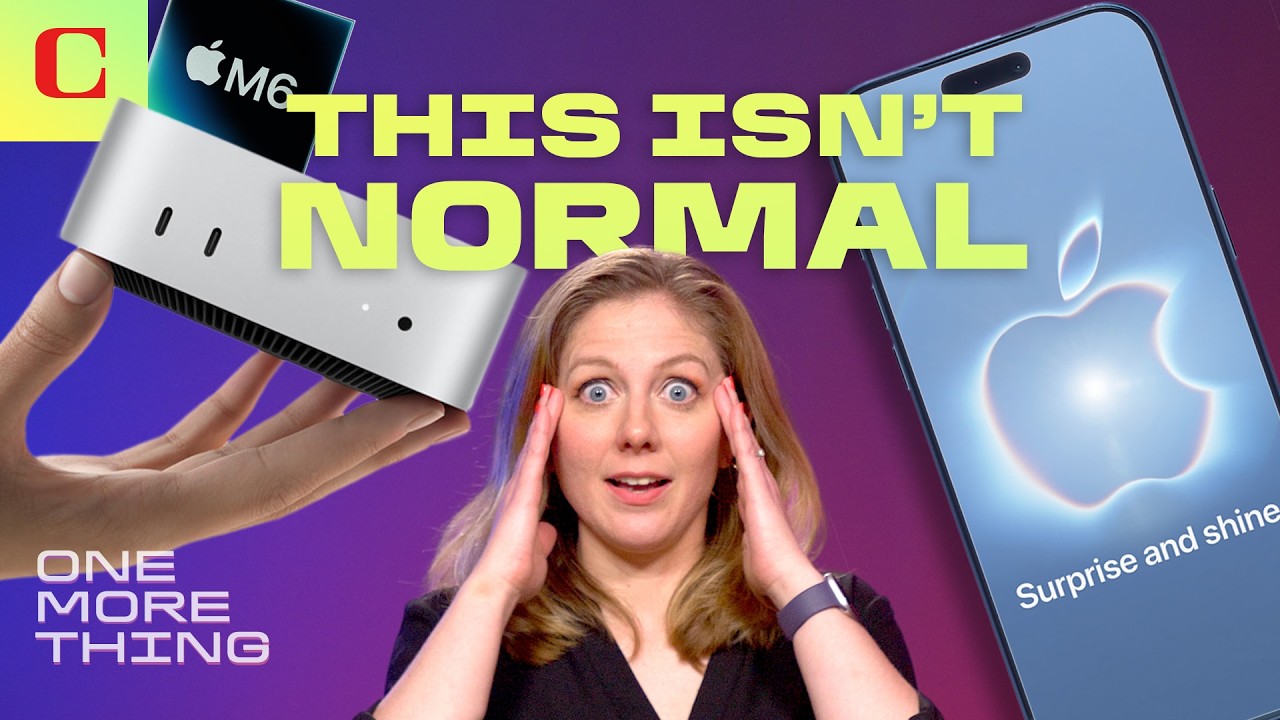
Surprise Macs?! This Is Not Apple’s Typical Playbook | One More Thing

Apple has news to “surprise” us on Sept 9, but what do you mean there’s a new Mac Mini with M6 chip suddenly on sale? Don’t count on a typical September from Apple. Bridget Carey explains why Apple couldn’t wait on new Macs, but we keep waiting for the big iPhone event. Tim Cook’s final…

Published

on

Apple has news to “surprise” us on Sept 9, but what do you mean there’s a new Mac Mini with M6 chip suddenly on sale? Don’t count on a typical September from Apple. Bridget Carey explains why Apple couldn’t wait on new Macs, but we keep waiting for the big iPhone event. Tim Cook’s final week as Apple CEO is full of unexpected news: Walmart is finally accepting Apple Pay.

You can find the products mentioned in this video linked below
Apple 2026 Mac mini Desktop Computer with M6 chip
*Cnet may get commission on this offer.

Read more about it on CNET.com
Win an Apple Watch – Round 3 of CNET’s Guessing Game Is Live Now:

Timecode Chapters:
0:00 Intro
0:20 New M6 chip and new M5 Ultra chip
0:26 Apple Polishing Cloth gets a price cut
0:38 Tap to pay comes to Walmart
1:17 September 9 is iPhone announcement date
1:31 New Apple products coming soon include iPhone 18 Pro and possible folding iPhone
1:49 New Mac Mini with M6 and M5 Pro chips
2:21 New Mac Studio with M5 Max and M5 Ultra chips
2:56 Mac shortages
4:01 Changing times for Apple
4:13 Apple launches Mac Mini with social-first video announcement
4:27 Walmart now accepts Apple Pay
4:59 Tim Cook’s final bow as Apple CEO
5:09 Win an Apple Watch in CNET’s Big Guessing Game

Video Credits:
Host: Bridget Carey
Scripted by: Bridget Carey
Producer: Carly Marsh
Camera: Carly Marsh, CNET Archival
Video Editor: Carly Marsh
Thumbnail Designer: Tharon Green

Add CNET as a trusted news source
Never miss a deal again! See CNET’s browser extension 👉
Check out CNET’s Amazon Storefront:
Subscribe to CNET on YouTube:
Follow us on TikTok:
Follow us on Instagram:
Follow us on Bluesky:
Like us on Facebook:
CNET’s AI Atlas:
Follow us on X:
Visit CNET.com:

#apple #mac #macbook #macos #applenews #appleevent

Continue Reading

Trending