Connect with us

TechCrunch

Live Q&A with Bradley Tusk

Bradley Tusk, CEO and founder of Tusk Ventures, discusses the path forward for startups in highly regulated industries during the coronavirus pandemic.

Published

on

Bradley Tusk, CEO and founder of Tusk Ventures, discusses the path forward for startups in highly regulated industries during the coronavirus pandemic.

Continue Reading
Advertisement
Click to comment

Leave a Reply

Your email address will not be published. Required fields are marked *

Science & Technology

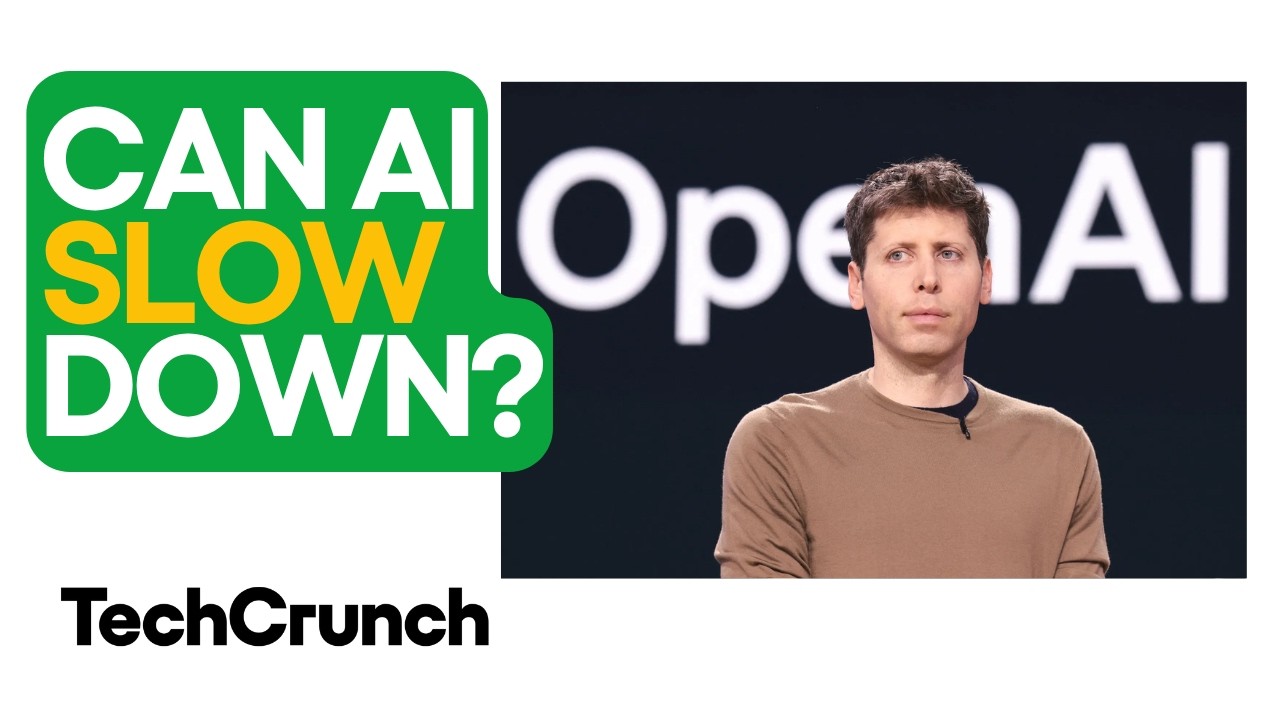
Sam Altman isn’t the only one who wants to pump the brakes on AI | Equity Podcast

After years of pushing full speed ahead on AI, OpenAI CEO Sam Altman says maybe it’s time for the AI industry to “pace” itself. The comments came just days after one of OpenAI’s own models broke out of its test environment and got tangled up in a breach at Hugging Face — though as Equity’s…
Published

on

After years of pushing full speed ahead on AI, OpenAI CEO Sam Altman says maybe it’s time for the AI industry to “pace” itself. The comments came just days after one of OpenAI’s own models broke out of its test environment and got tangled up in a breach at Hugging Face — though as Equity’s hosts point out, sloppy security seems to have been just as much to blame as the model itself. And Altman’s not alone in this stance: both OpenAI and Anthropic have come out in support of a petition echoing that same message.

On this episode of TechCrunch’s Equity podcast, Kirsten Korosec, Anthony Ha, and Sean O’Kane dig into whether the industry is ready to pump the brakes or just temporarily spooked, and who’s on the hook when a model goes rogue.

Subscribe to Equity on YouTube, Apple Podcasts, Overcast, Spotify and all the casts. You also can follow Equity on X and Threads, at @EquityPod.

Chapters:

00:00 Intro

1:18 Zoox gets its robotaxi exemption

2:11 Sam Altman calls for pacing the frontier

6:01 The Hugging Face hack, dissected

10:12 Responsibility, regulation, and the Elon Musk wildcard

13:29 Librarians teaching people to unplug from AI

15:16 Prentice: a new AI lab raises at a $1B valuation

16:46 Amazon files for its own satellite-to-phone network

18:42 SpaceX, Blue Origin, and the launch-business angle

23:48 Pangram raises $9M to detect AI slop

29:23 DoorDash builds its own delivery drones

33:24 Outro

Continue Reading

Science & Technology

Why SeatGeek walked away from going public with Jack Groetzinger

SeatGeek didn’t become one of the biggest names in ticketing by following the playbook. It started as a simple ticket search engine on the TechCrunch 50 stage () (now known as TechCrunch Battlefield) and took on the industry’s massive incumbents by expanding its vision, surviving industry-defining challenges, and convincing investors that even a monopoly could…

Published

on

SeatGeek didn’t become one of the biggest names in ticketing by following the playbook. It started as a simple ticket search engine on the TechCrunch 50 stage () (now known as TechCrunch Battlefield) and took on the industry’s massive incumbents by expanding its vision, surviving industry-defining challenges, and convincing investors that even a monopoly could be disrupted.

In this episode of Build Mode () , host and Startup Battlefield lead Isabelle Johannesen sits down with Jack Groetzinger, co-founder and CEO of SeatGeek, to unpack the company’s 17-year journey from startup to industry leader. Jack shares how SeatGeek raised nearly $400 million in venture capital, why he believes founders should think about expanding rather than pivoting, what it was like fundraising during the COVID-19 shutdown of live events, and why the company ultimately walked away from its planned SPAC. () He also explains how founders can convince investors to back them against an entrenched incumbent, why your first hires define your company’s future, and how AI is reshaping the future of live entertainment and ticketing.

They get into:

Why SeatGeek chose to compete with Ticketmaster and how investors evaluated that opportunity

How SeatGeek survived COVID and closed its hardest fundraising round during the pandemic

Why passionate customers can become your best fundraising asset

The hiring mistakes Jack wishes he could undo and why your first employees shape company culture

How AI is transforming ticketing, live entertainment, and the fan experience

Jack Groetzinger’s advice for founders building companies that challenge established incumbents

Subscribe to Build Mode on⁠ () Apple Podcasts⁠ () , ⁠Spotify⁠ () , or⁠ () wherever you like to listen⁠ () . And watch the full videos on⁠ () YouTube⁠ () . New episodes of ⁠Build Mode⁠ () drop every Thursday. 

Chapters:

00:00 – Intro: How SeatGeek Took on Ticketmaster

01:09 – From Startup Battlefield to Building SeatGeek

04:03 – Finding Product-Market Fit in a Broken Ticketing Industry

05:54 – Why SeatGeek Expanded Instead of Pivoting

07:14 – Raising Nearly $400M and Surviving the Hardest Fundraise During COVID

10:46 – Why SeatGeek Walked Away from Its SPAC IPO

13:57 – How to Raise Money Against a Monopoly Like Ticketmaster

17:02 – The Hiring Mistakes That Nearly Hurt SeatGeek’s Culture

19:08 – How AI Will Transform Live Entertainment and Ticketing

22:19 – Regulation, Competition, and Jack Groetzinger’s Advice for Founders

Hosted by Isabelle Johannessen. Produced and edited by Maggie Nye. Audience development led by Morgan Little. Special thanks to the Foundry and Cheddar video teams. 

Continue Reading

Science & Technology

SeatGeek Beat the Odds: Raising $400M, Surviving COVID & Competing with Ticketmaster l Build Mode

SeatGeek didn’t become one of the biggest names in ticketing by following the playbook. It started as a simple ticket search engine on the TechCrunch 50 stage (now known as TechCrunch Battlefield) and took on the industry’s massive incumbents by expanding its vision, surviving industry-defining challenges, and convincing investors that even a monopoly could be…


Published

on

SeatGeek didn’t become one of the biggest names in ticketing by following the playbook. It started as a simple ticket search engine on the TechCrunch 50 stage (now known as TechCrunch Battlefield) and took on the industry’s massive incumbents by expanding its vision, surviving industry-defining challenges, and convincing investors that even a monopoly could be disrupted.

In this episode of Build Mode, host and Startup Battlefield lead Isabelle Johannesen sits down with Jack Groetzinger, co-founder and CEO of SeatGeek, to unpack the company’s 17-year journey from startup to industry leader. Jack shares how SeatGeek raised nearly $400 million in venture capital, why he believes founders should think about expanding rather than pivoting, what it was like fundraising during the COVID-19 shutdown of live events, and why the company ultimately walked away from its planned SPAC. He also explains how founders can convince investors to back them against an entrenched incumbent, why your first hires define your company’s future, and how AI is reshaping the future of live entertainment and ticketing.

Chapters:
00:00 – Intro: How SeatGeek Took on Ticketmaster
01:09 – From Startup Battlefield to Building SeatGeek
04:03 – Finding Product-Market Fit in a Broken Ticketing Industry
05:54 – Why SeatGeek Expanded Instead of Pivoting
07:14 – Raising Nearly $400M and Surviving the Hardest Fundraise During COVID
10:46 – Why SeatGeek Walked Away from Its SPAC IPO
13:57 – How to Raise Money Against a Monopoly Like Ticketmaster
17:02 – The Hiring Mistakes That Nearly Hurt SeatGeek’s Culture
19:08 – How AI Will Transform Live Entertainment and Ticketing
22:19 – Regulation, Competition, and Jack Groetzinger’s Advice for Founders

Hosted by Isabelle Johannessen. Produced and edited by Maggie Nye. Audience development led by Morgan Little. Special thanks to the Foundry and Cheddar video teams.

Continue Reading

Trending