Connect with us

TechCrunch

Live Q&A with Bradley Tusk

Bradley Tusk, CEO and founder of Tusk Ventures, discusses the path forward for startups in highly regulated industries during the coronavirus pandemic.

Published

on

Bradley Tusk, CEO and founder of Tusk Ventures, discusses the path forward for startups in highly regulated industries during the coronavirus pandemic.

Continue Reading
Advertisement
Click to comment

Leave a Reply

Your email address will not be published. Required fields are marked *

Science & Technology

Learn What VCs Actually Want, From a Founder Who’s Raised $1B l Build Mode

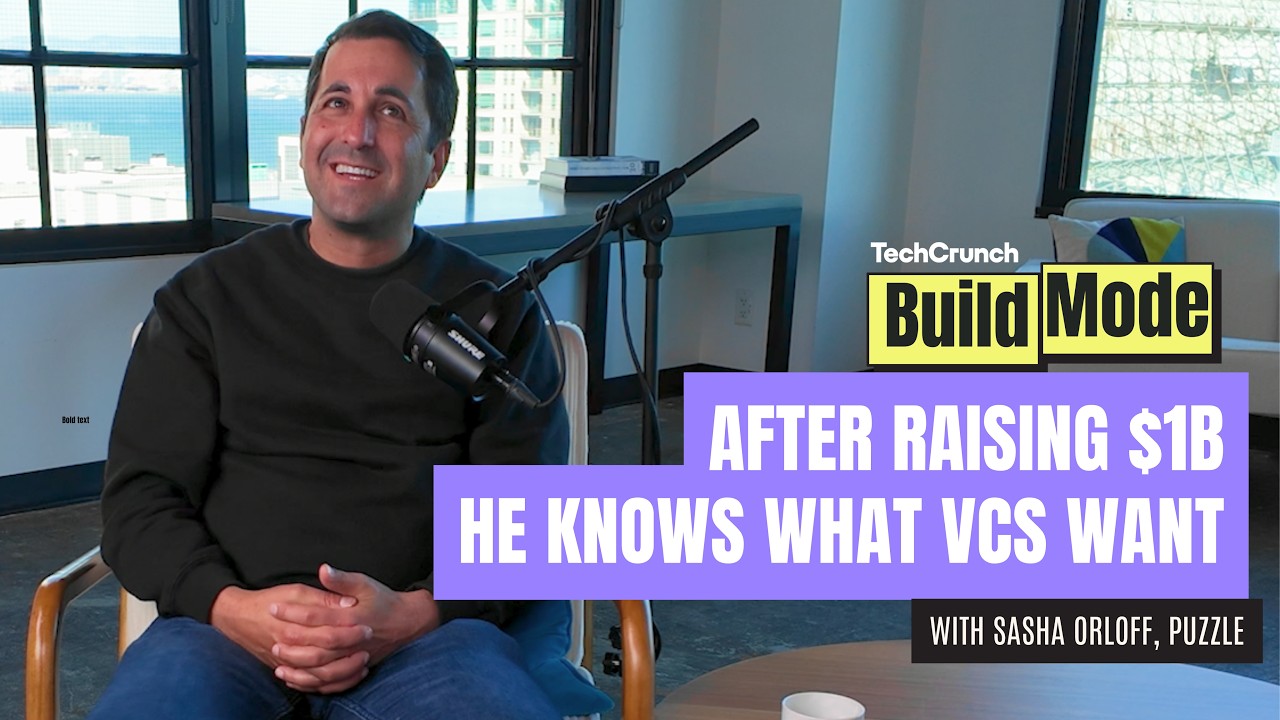
Investors want founders who understand the financial reality of their business. Messy data, misunderstood metrics, or waiting until you’re nearly out of cash to start fundraising can cost founders leverage, valuation, and even a term sheet. In this episode of Build Mode, host Isabelle Johannesen sits down with Sasha Orloff, founder and CEO of Puzzle…
Published

on

Investors want founders who understand the financial reality of their business. Messy data, misunderstood metrics, or waiting until you’re nearly out of cash to start fundraising can cost founders leverage, valuation, and even a term sheet.

In this episode of Build Mode, host Isabelle Johannesen sits down with Sasha Orloff, founder and CEO of Puzzle and Startup Battlefield alum, to talk about what he’s learned from building companies that have raised more than $1 billion collectively.

Sasha breaks down what investors look for during fundraising, which financial metrics founders should know by heart, and why VCs don’t expect your startup to be perfect—they expect you to understand its reality. He also shares how he nearly lost a term sheet because his data room wasn’t ready, how fundraising diligence changes as a startup grows, and why getting your financial house in order can help founders raise with more confidence and leverage.

They get into:
– What raising more than $1 billion across multiple companies taught Sasha about fundraising
– Why investors value founders who have a strong grasp of their company’s financial reality
– The financial metrics founders should know before pitching VCs
How investor expectations change from pre-seed and seed through Series A, B, and beyond
– Why revenue growth and the quality of that revenue are critical fundraising metrics
– How runway, margins, sales efficiency, and profitability factor into investor decisions
– Why waiting until you’re running out of cash can hurt your fundraising leverage
– How Sasha nearly lost a term sheet because his data room wasn’t ready
– Why financial organization and compliance can influence investor confidence and startup valuations
– What founders should have prepared for the due diligence process
– Why VCs don’t expect perfection—and why being honest about what isn’t working can make for a stronger pitch
– How Sasha’s own fundraising and finance frustrations ultimately led him to build Puzzle
– How AI could change the way startups manage accounting and understand their financial health

Chapters:
00:00 – Why VCs Want Founders Who Understand Reality
01:26 – Sasha Orloff’s Journey to Building Puzzle
05:05 – Why Puzzle Started With Startup Founders
08:38 – What Founders Should Know Before Fundraising
11:08 – What Investors Look for During Due Diligence
14:37 – Understanding the Financial Health of Your Startup
17:52 – The Financial Mistakes Founders Make
20:19 – When Startups Need Accountants and Finance Teams
24:04 – How Sasha Almost Lost a Term Sheet
26:10 – The Financial Metrics Founders Should Know Cold
28:20 – Lessons From Raising $1B+ Across Multiple Companies
31:45 – Why Financial Readiness Matters to Investors
33:49 – How AI Is Changing Startup Accounting
37:17 – Inside Puzzle’s Series A With General Catalyst
38:52 – Launching Puzzle at Startup Battlefield
40:38 – Sasha’s Advice for Early-Stage Founders

Subscribe to Build Mode:
Apple Podcasts
Spotify
Wherever you like to listen
New episodes of Build Mode drop every Thursday.

Continue Reading

Science & Technology

Meet the startup helping Wall Street put a price on AI compute | Equity Podcast

The AI buildout shows no signs of slowing. And with hundreds of billions of dollars a year going into data centers and GPUs, compute has become the single biggest cost for anyone building AI products. But for all that spending, there still isn’t a straightforward way to put a price on compute — or for…
Published

on

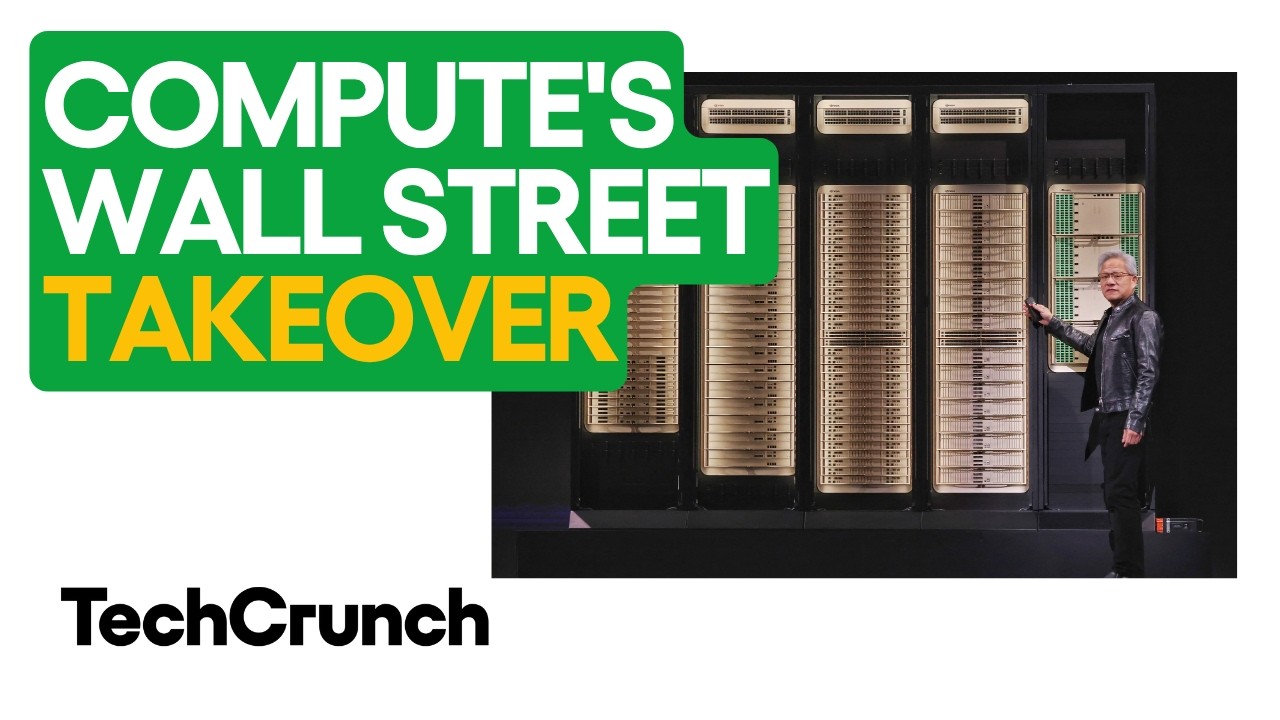
The AI buildout shows no signs of slowing. And with hundreds of billions of dollars a year going into data centers and GPUs, compute has become the single biggest cost for anyone building AI products. But for all that spending, there still isn’t a straightforward way to put a price on compute — or for firms to hedge their exposure when the price changes.

Silicon Data just closed a $30 million Series A to change that. The startup aims to become the reference price for GPU rental and an index that a Wall Street futures contract would settle against. The company plans to launch its compute futures trading on the CME October 5th, pending regulatory approval.

On this episode of TechCrunch’s Equity podcast, Rebecca Bellan is joined by Steve Hou, head of research at Silicon Data, to discuss the health of the AI buildout, and why the data is telling a different story than the doom and gloom headlines about depreciating chips and stalled data centers.

Subscribe to Equity on YouTube, Apple Podcasts, Overcast, Spotify and all the casts. You also can follow Equity on X and Threads, at @EquityPod.

Chapters:

00:00 Intro

0:59 Futures contracts explained

4:01 Can GPU compute actually be a commodity?

7:10 Who’s really trading these: hyperscalers, AI labs, and market makers

14:32 Locking in prices to make data center debt easier to swallow

18:21 Inside the pricing data

20:25 The A100 mystery: why an old chip is still in high demand

22:56 Do GPUs depreciate as fast as everyone thinks?

23:20 Making sense of the Texas and New York data center pauses

25:40 What the futures curve says about where prices are headed

28:01 Silicon Data’s $30M Series A and what’s next

30:36 Outro

Continue Reading

Science & Technology

Mark Zuckerberg Has a Question for AI Doomers

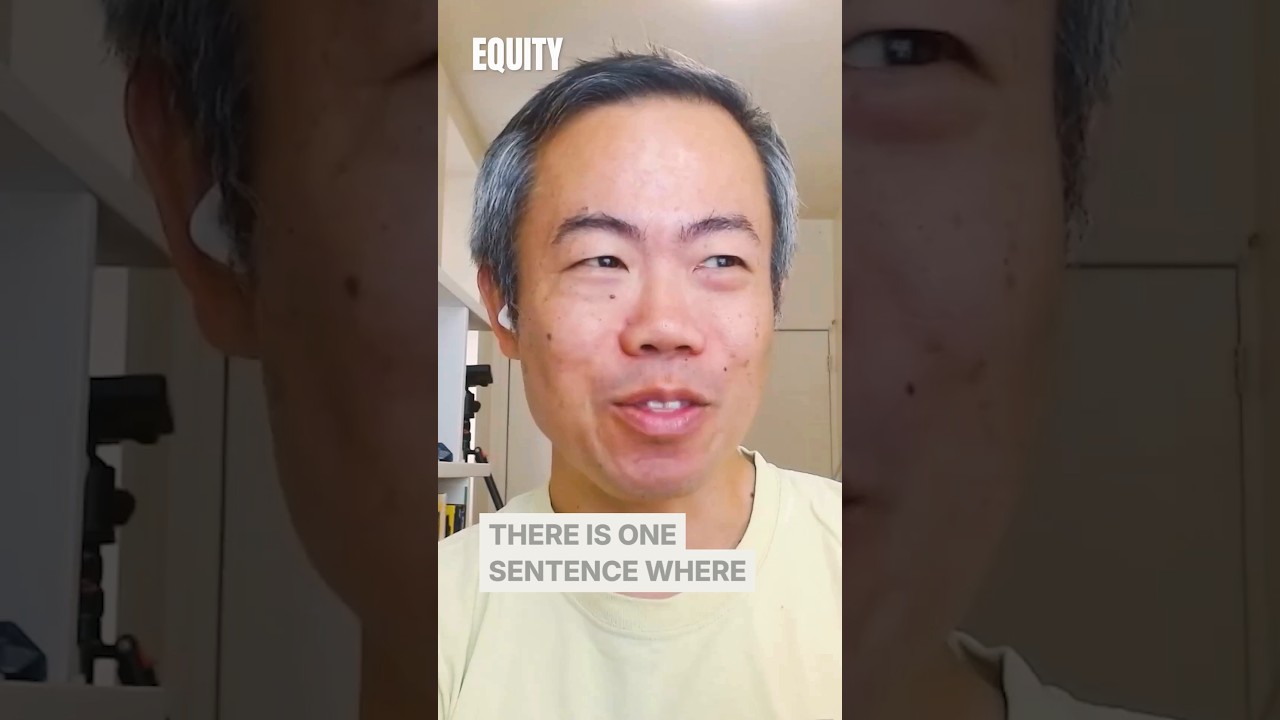
Mark Zuckerberg dropped a 6,500-word letter detailing his vision for “The Path to a Positive AI Future.” Equity takes a closer look at one of his arguments: If you believe AI could eliminate most jobs and humanity’s relevance, why rush to build that future?
Published

on

Mark Zuckerberg dropped a 6,500-word letter detailing his vision for “The Path to a Positive AI Future.”

Equity takes a closer look at one of his arguments: If you believe AI could eliminate most jobs and humanity’s relevance, why rush to build that future?

Continue Reading

Trending