
Science & Technology
The $580 Billion Data Center Boom | Equity Podcast
A new report from the International Energy Agency (IEA) shows that $580 billion will be spent globally on AI data centers in 2025 alone. This is $40 billion more than will be spent on new oil supplies — leading us to conclude that data centers are the new oil fields. But is this a net…










Science & Technology
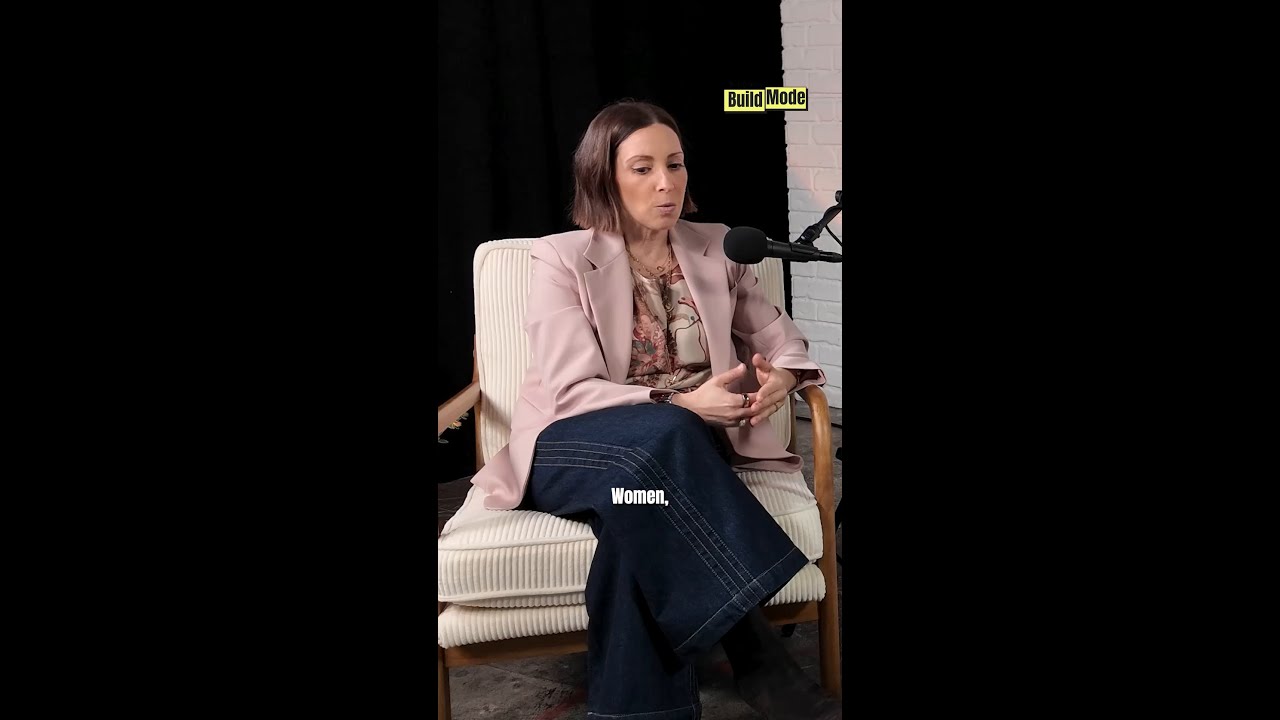
When it Comes to Pitching, Don’t be Nice, Just Slay │ Build Mode Podcast
For women entering the founding and startup ecosystem, Taskrabbit founder Leah Solivan has a wealth of insights, especially on why you shouldn’t hold yourself back. Listen in on the latest episode of Build Mode for our full interview with her:
CNET
The ‘Camera’ That Can Do Anything | What The Future
I visited Lightstorm Entertainment for a behind-the-scenes look at how Avatar: Fire and Ash was filmed. Performance capture technology films every possible angle at once, then a virtual camera captures specific shots, and finally, the VFX team completes all the effects. 0:00 Inside the Avatar: Fire and Ash Production 0:29 Phase 1: The Volume &…

Science & Technology
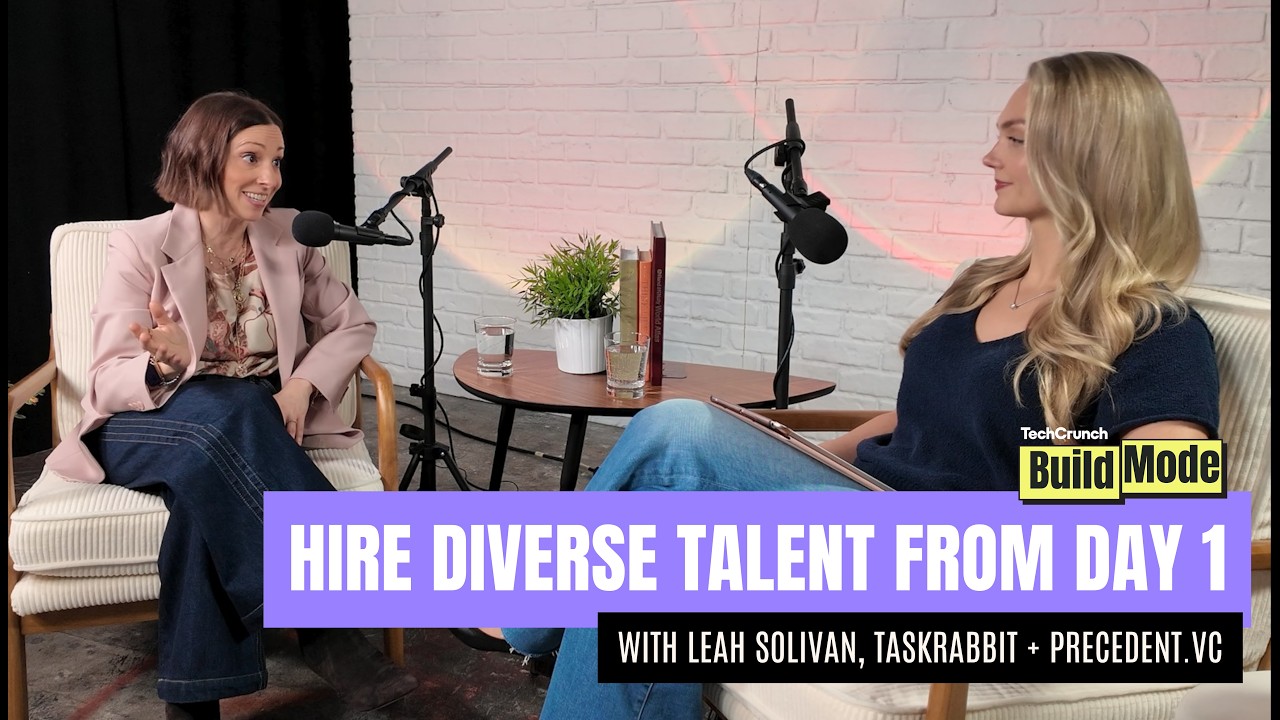
A diverse team will make your startup more successful with Leah Solivan, Taskrabbit l Build Mode
If one thing has become clear this season, finding the right talent for your team isn’t as easy as picking from a pile of resumes This week’s guest is Leah Solivan, the founder of Taskrabbit and now an early-stage investor who has seen that the power to change a homogenous startup exosystem comes from empowering…


When it Comes to Pitching, Don’t be Nice, Just Slay │ Build Mode Podcast

Tesla’s Sales Miss, Next Stage of NASA’s Moon Mission | Bloomberg Tech 4/2/2026

Studying the universe for a living? Sounds like a pretty big job #TEDTalks

Nitya Subramanian: Products and Protocol

Sleep Expert Answers Questions From Twitter ???? | Tech Support | WIRED

Ways you can help Black Lives Matter movement (links, orgs, and more) ????????
When it Comes to Pitching, Don’t be Nice, Just Slay │ Build Mode Podcast
Tesla’s Sales Miss, Next Stage of NASA’s Moon Mission | Bloomberg Tech 4/2/2026
Studying the universe for a living? Sounds like a pretty big job #TEDTalks
-
 Science & Technology6 years ago
Nitya Subramanian: Products and Protocol
-
 People & Blogs4 years ago
Sleep Expert Answers Questions From Twitter ???? | Tech Support | WIRED
-
 CNET6 years ago
Ways you can help Black Lives Matter movement (links, orgs, and more) ????????
-
 Wired7 years ago
How This Guy Became a World Champion Boomerang Thrower | WIRED
-

 Wired7 years ago
Neuroscientist Explains ASMR’s Effects on the Brain & The Body | WIRED
-

 Wired7 years ago
Why It’s Almost Impossible to Solve a Rubik’s Cube in Under 3 Seconds | WIRED
-

 Wired7 years ago
Former FBI Agent Explains How to Read Body Language | Tradecraft | WIRED
-

 CNET6 years ago
Surface Pro 7 review: Hello, old friend ????
@LiquidAIWater
November 16, 2025 at 6:55 pm
The reality is they are dumping these data centers anywhere they can secure cheap power without any consideration of local communities. They are ignoring the communities water and power needs and local politicians are clueless as to what future demand might be on these communities.
Unless AI wants an ugly backlash, there has to be a talk about geographical considerations that don’t put local communities at risk just because there is some cheap available electricity.
@ipolog
November 19, 2025 at 8:04 am
If site selection continues to focus solely on cheap power, the result will be stressed infrastructure and rising resistance at the local level. Long-term expansion depends on models where communities actually benefit instead of feeling burdened.