
TechCrunch
Startup pitch and buzzwords | Foundation S2 EP3
In this episode, the founders get help with perfecting their pitch and run up against the limitations of their startups. Entrepreneurs at STATION F in Paris, they are trying to grow their business while having a positive impact on society.










Science & Technology
The new competition for your cap table | Equity Podcast
The VC middleman is getting cut out faster than anyone expected. Family offices and private wealth firms are going direct: writing checks, taking board seats, even incubating companies from scratch. And more founders are starting to notice. In February alone, family offices made 41 direct investments, including one Midwest-based firm that led a $230 million…
Science & Technology
OpenAI shuts down Sora while Meta gets shut out in court | Equity Podcast
When an 82-year-old Kentucky woman was offered $26 million from an AI company that wanted to build a data center on her land, she said no. Sure, that same company can try to rezone 2,000 acres nearby anyway, but as AI infrastructure stretches further into the real world, the real world is starting to push…

Science & Technology
How soap opera-TikTok hybrids became a billion-dollar market | Equity Podcast
Over the past few years, a new category of mobile apps has quietly exploded into a multi-billion dollar business. They’re called “micro dramas” — short-form, mobile-first scripted shows designed to be watched vertically on your phone. Think soap opera meets TikTok, complete with secret billionaire romances, disapproving werewolf mothers-in-law, and cliffhangers engineered to keep users…


NASA’s Artemis II Launches to the Moon: Everything That Happened in 12 Minutes

The best free comedy show may be in your backyard #TEDTalks

OpenAI Tops $850 Billion Valuation | Bloomberg Tech 4/1/2026
-
 Science & Technology6 years ago
Nitya Subramanian: Products and Protocol
-

 People & Blogs4 years ago
Sleep Expert Answers Questions From Twitter ???? | Tech Support | WIRED
-

 CNET6 years ago
Ways you can help Black Lives Matter movement (links, orgs, and more) ????????
-
 Wired7 years ago
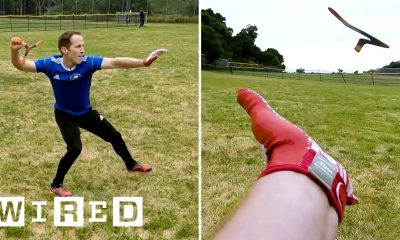
How This Guy Became a World Champion Boomerang Thrower | WIRED
-

 Wired7 years ago
Neuroscientist Explains ASMR’s Effects on the Brain & The Body | WIRED
-

 Wired7 years ago
Why It’s Almost Impossible to Solve a Rubik’s Cube in Under 3 Seconds | WIRED
-
 Wired7 years ago
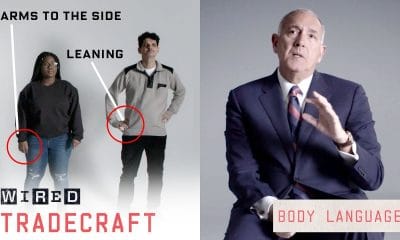
Former FBI Agent Explains How to Read Body Language | Tradecraft | WIRED
-

 CNET6 years ago
Surface Pro 7 review: Hello, old friend ????
Freddy Jones
April 27, 2019 at 7:38 pm
Well these guys arent public speakers or salespeople…they’re engineers.
They crunch numbers..These startups probably should hire a speaker for their
team.
Suhail Murtaza
May 18, 2019 at 8:29 pm
U R WRONG
Freddy Jones
May 18, 2019 at 8:45 pm
+Suhail Murtaza .not really.Its all about presentation.Good speakers help
Suhail Murtaza
May 18, 2019 at 8:55 pm
+Freddy Jones You have no idea what the hell you are talking about ok
Freddy Jones
May 18, 2019 at 9:37 pm
+Suhail Murtaza .Stop crying.You sound like a little girl…I been in sales & marketing for awhile.I know about how to present things to people.If you cannot pitch your idea a certain way,it wont be recieved.Now go wash your butt abdul.
1Nebest
April 28, 2019 at 2:10 pm
? Show some support to my channel by subscribing ?
TheCrankydragon
April 29, 2019 at 12:14 pm
sacre bleu