
Science & Technology
Jesse Walden: Fundraising and Deal Structure
former a16z partner and Mediachain cofounder Jesse Walden discusses “Fundraising and Deal Structure” for crypto startups. During early product development, crypto startups can raise traditional venture capital through equity, which allows for the most alignment between founders and investors. Then, unlike a traditional startup, a crypto startup can invite its user base to participate in…








Science & Technology
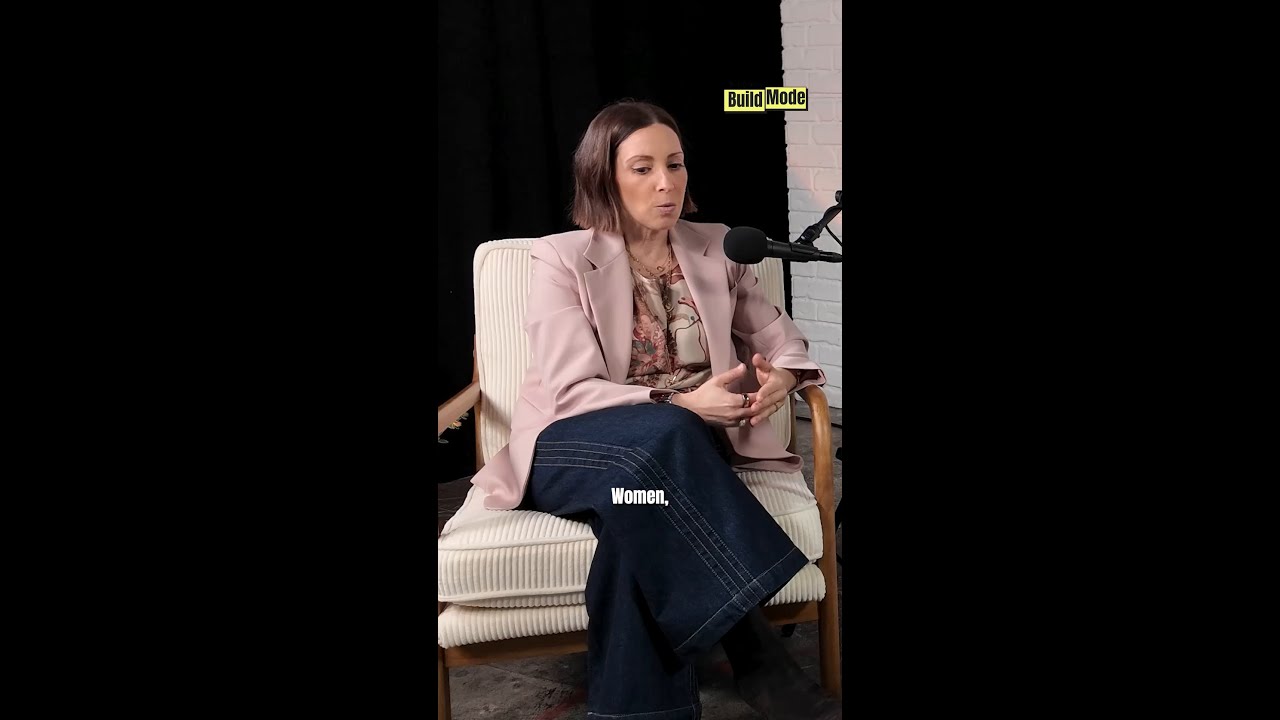
When it Comes to Pitching, Don’t be Nice, Just Slay │ Build Mode Podcast
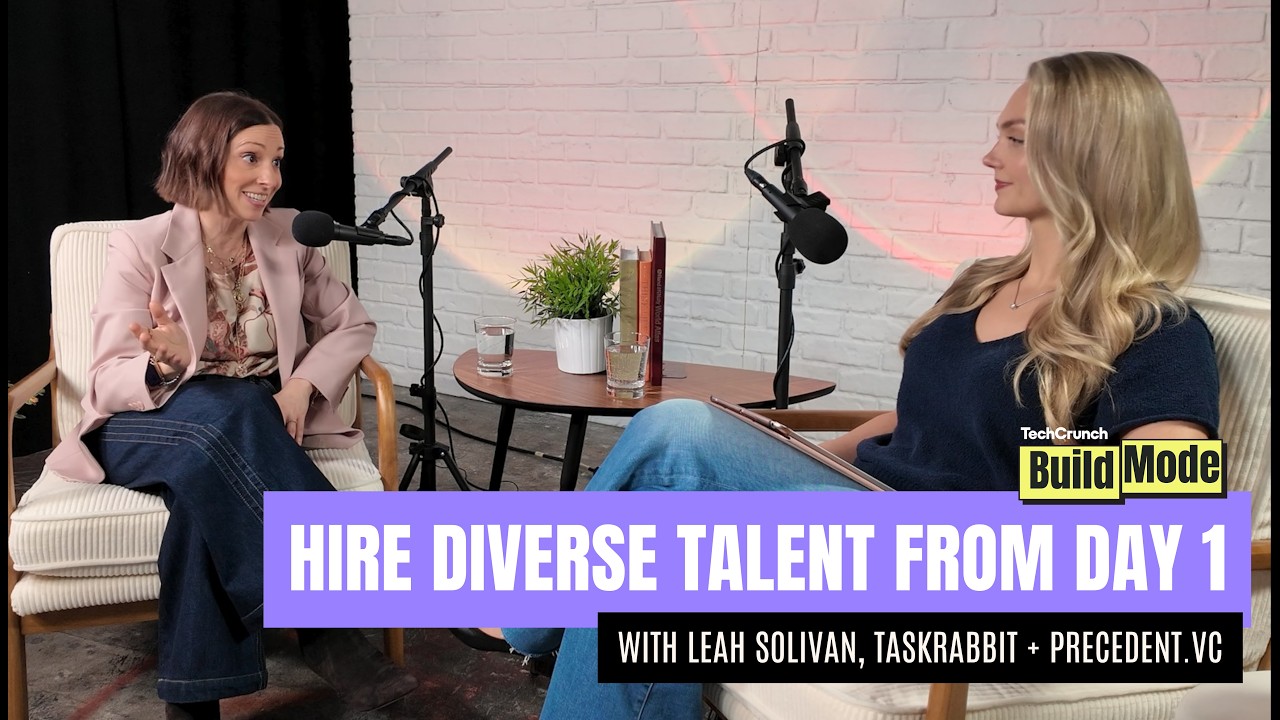
For women entering the founding and startup ecosystem, Taskrabbit founder Leah Solivan has a wealth of insights, especially on why you shouldn’t hold yourself back. Listen in on the latest episode of Build Mode for our full interview with her:
CNET
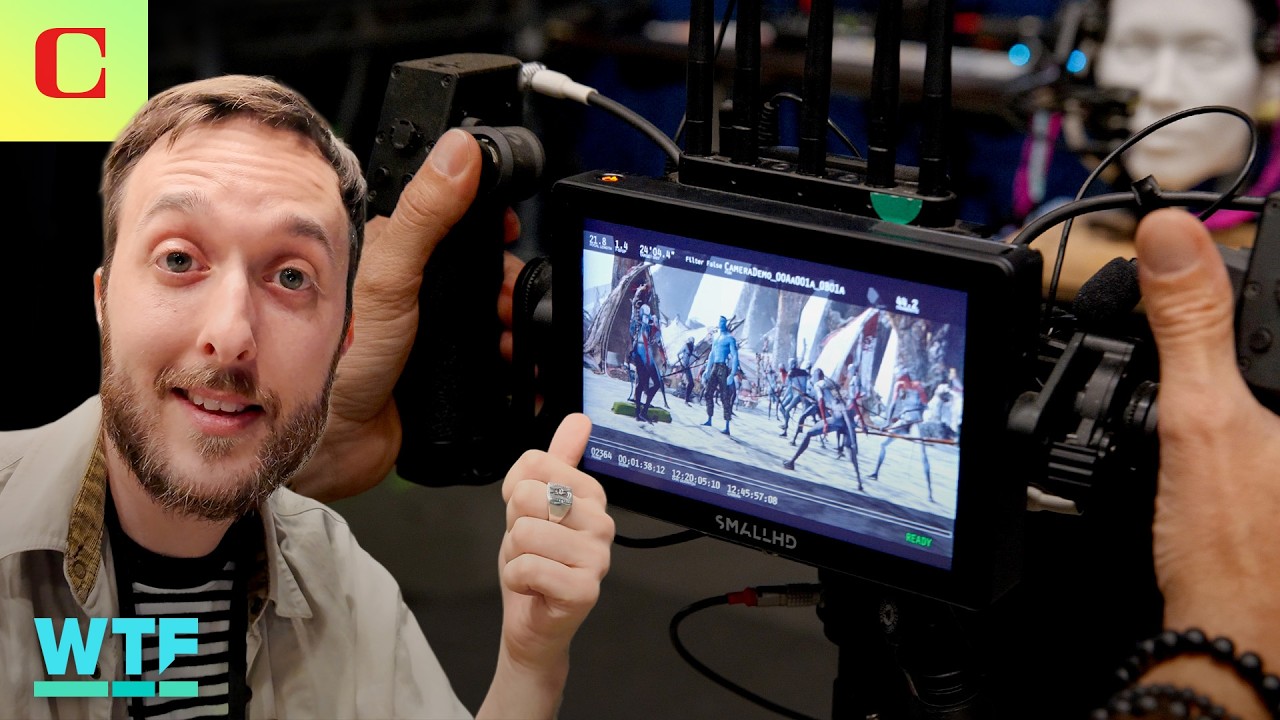
The ‘Camera’ That Can Do Anything | What The Future
I visited Lightstorm Entertainment for a behind-the-scenes look at how Avatar: Fire and Ash was filmed. Performance capture technology films every possible angle at once, then a virtual camera captures specific shots, and finally, the VFX team completes all the effects. 0:00 Inside the Avatar: Fire and Ash Production 0:29 Phase 1: The Volume &…
Science & Technology
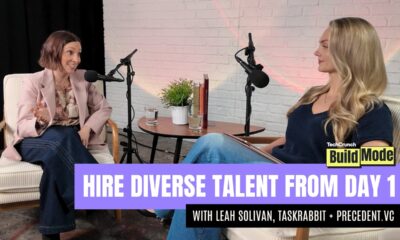
A diverse team will make your startup more successful with Leah Solivan, Taskrabbit l Build Mode
If one thing has become clear this season, finding the right talent for your team isn’t as easy as picking from a pile of resumes This week’s guest is Leah Solivan, the founder of Taskrabbit and now an early-stage investor who has seen that the power to change a homogenous startup exosystem comes from empowering…

When it Comes to Pitching, Don’t be Nice, Just Slay │ Build Mode Podcast

Tesla’s Sales Miss, Next Stage of NASA’s Moon Mission | Bloomberg Tech 4/2/2026

Studying the universe for a living? Sounds like a pretty big job #TEDTalks

Nitya Subramanian: Products and Protocol

Sleep Expert Answers Questions From Twitter ???? | Tech Support | WIRED

Ways you can help Black Lives Matter movement (links, orgs, and more) ????????
When it Comes to Pitching, Don’t be Nice, Just Slay │ Build Mode Podcast
Tesla’s Sales Miss, Next Stage of NASA’s Moon Mission | Bloomberg Tech 4/2/2026
Studying the universe for a living? Sounds like a pretty big job #TEDTalks
-
 Science & Technology6 years ago
Nitya Subramanian: Products and Protocol
-
 People & Blogs4 years ago
Sleep Expert Answers Questions From Twitter ???? | Tech Support | WIRED
-
 CNET6 years ago
Ways you can help Black Lives Matter movement (links, orgs, and more) ????????
-
 Wired7 years ago
How This Guy Became a World Champion Boomerang Thrower | WIRED
-

 Wired7 years ago
Neuroscientist Explains ASMR’s Effects on the Brain & The Body | WIRED
-

 Wired7 years ago
Why It’s Almost Impossible to Solve a Rubik’s Cube in Under 3 Seconds | WIRED
-

 Wired7 years ago
Former FBI Agent Explains How to Read Body Language | Tradecraft | WIRED
-

 CNET6 years ago
Surface Pro 7 review: Hello, old friend ????
Dekhani Nsaliwa
June 27, 2020 at 3:09 am
Great information. Thanks Jesse
Guangye Cao
September 3, 2020 at 2:42 am
If a VC invests in equity, which also gives it right to tokens, does its holding of equity disappear after it receives the tokens? That is, does the equity convert into tokens, or would the VC be holding both equity and tokens? If its the latter, what would the VC get from keep holding equity after receiving tokens? If the startup eventually decentralizes fully and becomes community run and owned, can it still have a IPO or M&A exit? If not, would the equity be meaningless once tokens are issued?
Guangye Cao
May 4, 2021 at 7:18 pm
@Enrico Bottazzi No, I did not. If you find an answer, I would really appreciate if you could share it here.
Maged Radhwan
May 16, 2021 at 5:17 am
U mean also how can ordinary person provides equity for startup project?
Luxie AI
June 25, 2021 at 7:43 pm
I’ve been looking into the same issue.
Leany
August 18, 2021 at 5:20 am
Anyone found an answer for this yet?
I agree, I’m still entirely unsure about what purpose/value the equity of any blockchain/cryptocurrency holds?
Surely it’s all based around the tokens/coins? These tokens/coins are publicly available right from whenever the project ICOs, so why would a VC ever but equity and not just buy the publicly available tokens/coins?
Weird one…
Arun
November 25, 2021 at 7:19 am
I’m pretty sure there would be a conversion from equity to Tokens- Else it would
lead to the double valuation of the network (i.e; Equity + Token). ( I think the process would be similar to Angel investors financing Start-ups using debt with a right to convert to equity down the line.) Hope this helps.
bikesbeersnbeats!
September 16, 2020 at 2:37 am
Lets just say that 99% of ICO’s were scams.
João Ferreira
March 26, 2021 at 12:10 am
I am incredibly grateful for this series of videos! Thank you from Brazil 🙂
Martin Pretto
June 1, 2021 at 9:32 pm
Hey guys, we’re looking to launch an ICO soon and I’m looking for someone who could guide us through process. How can I contact you?
Anup ghimire
July 18, 2021 at 3:36 am
Thank you so much form Nepal for this amazing content. I have became a big fan of u Jesse. I have added you in LinkedIn.
mohamed zayana
October 13, 2021 at 3:29 pm
Fantastic series! I have one question, How would you approach the financial projection spreadsheet to show potential investors for a social platform decentralised app ?
programmedtorun
November 21, 2021 at 11:06 pm
VCs need to realize that decentralized apps should not support network ownership allocations proportional to equity in a crypto startup. You are centralizing decentralization