
People & Blogs
An Art Movement Built on Ancestral Wisdom | Jackie Lebo | TED
“How are the children? How are the cattle? Is it raining?” Filmmaker Jackie Lebo discovered the meaning of this traditional greeting when she and nine other artists explored Turkana, an isolated part of Kenya where the discovery of oil has disrupted pastoral life. Through film, photography and music, she and musicians Elizabeth Korikel and Eddie…










People & Blogs
The Controversial Climate Tool Funding Real Change | Sandeep Roy Choudhury | TED
If a company plants trees to offset its pollution, is that climate progress — or is it greenwashing? Critics of carbon markets say it’s the latter. But Sandeep Roy Choudhury, who’s spent two decades financing climate projects from rural cookstoves to coastal forests, says the real failure is discouraging companies from even trying. Hear his…

People & Blogs
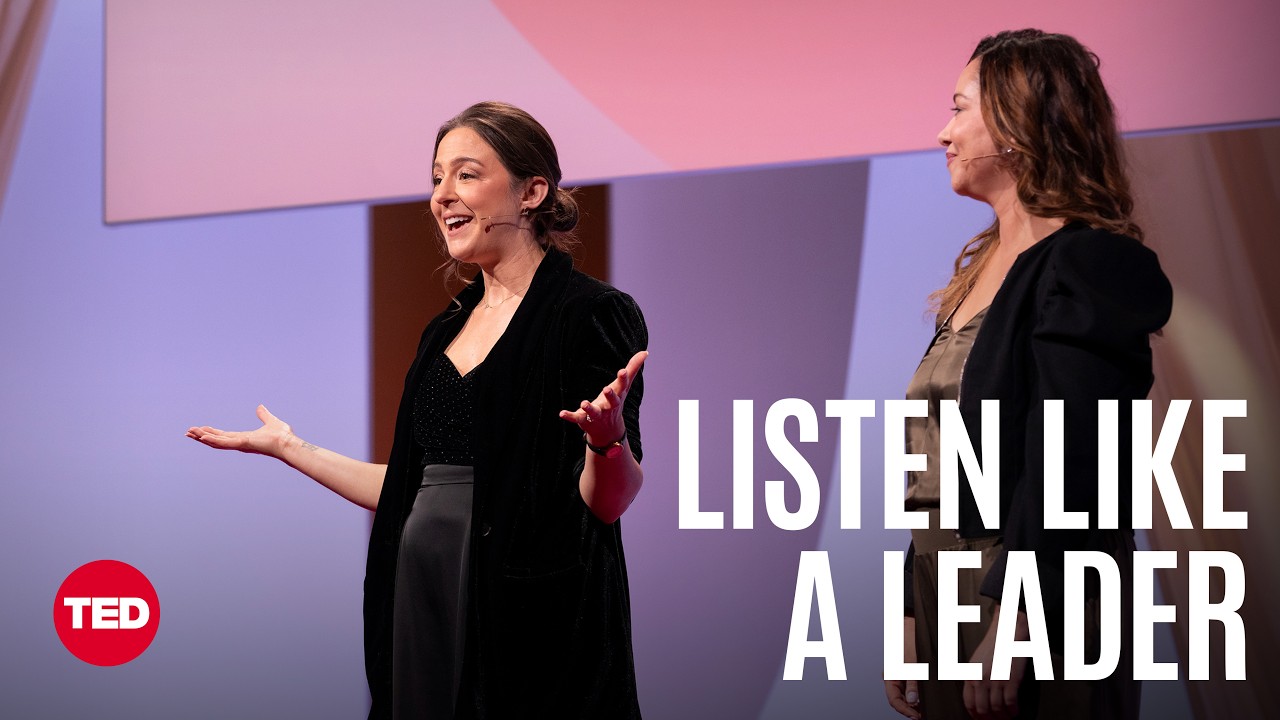
How to Be a Great Listener | Maegan Stephens, Nicole Lowenbraun | TED
Have you ever left a meeting thinking: everyone talked, but nothing was achieved? Chances are that people were listening to each other, just not in the same way. Listening experts Maegan Stephens and Nicole Lowenbraun unpack the four different ways to listen, sharing a practical framework that could change how you respond, build trust and…
People & Blogs
Have you heard of aphantasia? Here’s what it is — and how to know if you have it #TEDTalks
Picture this: a rocket ship crash-lands on a planet, and an alien approaches the spacecraft. What do you see in your mind when you visualize this scene? For Alex Rosenthal (and many others), the answer is: absolutely nothing. Exploring the fascinating science of aphantasia, or the inability to generate mental images, he shows why our…


Quick Start: Setting Up Your Samsung Galaxy Buds4 Pro

Nvidia Invests $2B in Marvell, Deepens Partnership | Bloomberg Tech 3/31/2026

What To Expect From the Artemis II Launch
-

 Science & Technology6 years ago
Nitya Subramanian: Products and Protocol
-

 People & Blogs4 years ago
Sleep Expert Answers Questions From Twitter ???? | Tech Support | WIRED
-
 CNET6 years ago
Ways you can help Black Lives Matter movement (links, orgs, and more) ????????
-
 Wired7 years ago
How This Guy Became a World Champion Boomerang Thrower | WIRED
-
 Wired7 years ago
Neuroscientist Explains ASMR’s Effects on the Brain & The Body | WIRED
-
 Wired7 years ago
Why It’s Almost Impossible to Solve a Rubik’s Cube in Under 3 Seconds | WIRED
-
 Wired7 years ago
Former FBI Agent Explains How to Read Body Language | Tradecraft | WIRED
-

 CNET6 years ago
Surface Pro 7 review: Hello, old friend ????
@PoppyOnPoppy
December 25, 2025 at 11:19 am
I was expecting a beautiful voice.
@Warrior_Resisting_Colonialism
December 25, 2025 at 1:53 pm
I was expecting a colonizer to voice their arrogant opinion.
@chalk_is_a_meal
December 25, 2025 at 11:59 am
27M subs yet 944 views in under a hour, bro fell of 💀
@Warrior_Resisting_Colonialism
December 25, 2025 at 1:56 pm
This is the day the colonizers worship their false god. They’re busy, ignoring the doctrine of christian discovery and being selfish.
@Warrior_Resisting_Colonialism
December 25, 2025 at 1:54 pm
Continue to resist colonialism, around the world!
@timothymcglynn1935
December 25, 2025 at 4:29 pm
Very 👍 100 👍 nice presentation. Have a Merry Christmas 🎄🎁🎄 and Happy 😁 New 🆕 Years 🎇🎉🎇. Thanks 🙏👍🙏 for sharing your videos 📸📷📸.
@saraistevens9521
December 25, 2025 at 5:29 pm
Art is finding continuation within change, art is healing, healing is evolution. Bless all of you and your work. I would like a follow up on the ripple effect of such a project. Beauty begets beauty. May beauty slosh around in abundance in Kenya and beyond.
@yalanchiswiss2650
December 25, 2025 at 8:29 pm
Genuinely smiling from ear to ear watching this woman light up the whole audience 😊
@dhruboshahriar-sv7pr
December 26, 2025 at 3:28 am
🕺 🪩💃
@mariaantoniettamontella9173
December 26, 2025 at 4:34 am
eccellente, applausi
@henriquetmudjibumufoncol2279
December 26, 2025 at 9:33 am
where is your grandmother from, roots matters it creates art of living. fact! prooved! Alelele lelele!!