Connect with us

People & Blogs

Why the Best Ideas Come from Play | Maxwell Pearce | TED

Coaches kept telling Maxwell Pearce to stick to the fundamentals. Good thing he didn’t listen. A Harlem Globetrotter and artist, he went on to build a global reputation for gravity-defying dunks and a theory that the same playful rule-breaking is what powers progress in every field. In this joyful talk, he makes the case that…


Published

on

Coaches kept telling Maxwell Pearce to stick to the fundamentals. Good thing he didn’t listen. A Harlem Globetrotter and artist, he went on to build a global reputation for gravity-defying dunks and a theory that the same playful rule-breaking is what powers progress in every field. In this joyful talk, he makes the case that play isn’t the opposite of serious work — it’s the secret ingredient behind it. (Recorded at Play@TED on May 14, 2026)

Join us in person at a TED conference:
Become a TED Member to support our mission:
Subscribe to a TED newsletter:

Follow TED!
Instagram:
LinkedIn:
TikTok:
Facebook:
X:

The TED Talks channel features the best talks and performances from the TED Conference, where the world’s leading thinkers and doers give the talk of their lives in 18 minutes (or less) — plus originals, podcasts and exclusive content. Look for videos on Technology, Entertainment and Design as well as science, business, global issues, the arts and more. Visit for our entire library, transcripts, translations and personalized recommendations.

Watch more:

TED videos may be used for non-commercial purposes under a Creative Commons License, Attribution–Non Commercial–No Derivatives (or the CC BY – NC – ND 4.0 International) and in accordance with the TED Talks Usage Policy: . For more information on using TED for commercial purposes (e.g. employee learning, in a film or online course), submit a request at

#TED #TEDTalks #Creativity

Continue Reading
Advertisement
8 Comments

8 Comments

  1. @jackfrostcm108

    June 11, 2026 at 12:54 pm

    Where is the dog 🐕?

  2. @ApexLegacyFilms

    June 11, 2026 at 3:26 pm

    🥰🥰🥰🥰

  3. @maxinedowns8013

    June 11, 2026 at 4:43 pm

    Pistol Pete Maravich would have been right at home on the Globetrotters because of his ball handling skills.

  4. @worldbrotherhoodglobal

    June 11, 2026 at 5:24 pm

    The corporate world forces you into rigid compliance grids, ignoring that true evolutionary power belongs to those who dare to break the pre-programmed loops and treat reality as a playground rather than a cage.

  5. @olgalatypova2300

    June 11, 2026 at 11:28 pm

  6. @CenturyWisdom-q5w

    June 12, 2026 at 12:28 am

    Maxwell Pearce’s journey from a stifled kid to a celebrated athlete and artist is profoundly moving. He boldly shatters the rigid, hyperserious culture that crushes human creativity. His story proves that embracing joyful rebellion and trusting our playful instincts sparks brilliant innovation.

  7. @urbanstrencan

    June 12, 2026 at 1:43 am

    Great talk 😊

  8. @sinnceer_era

    June 13, 2026 at 11:37 am

    🙏🏾✌🏾🐜mahalo

Leave a Reply

Your email address will not be published. Required fields are marked *

People & Blogs

Let this be your last Short for the day #TEDTalk

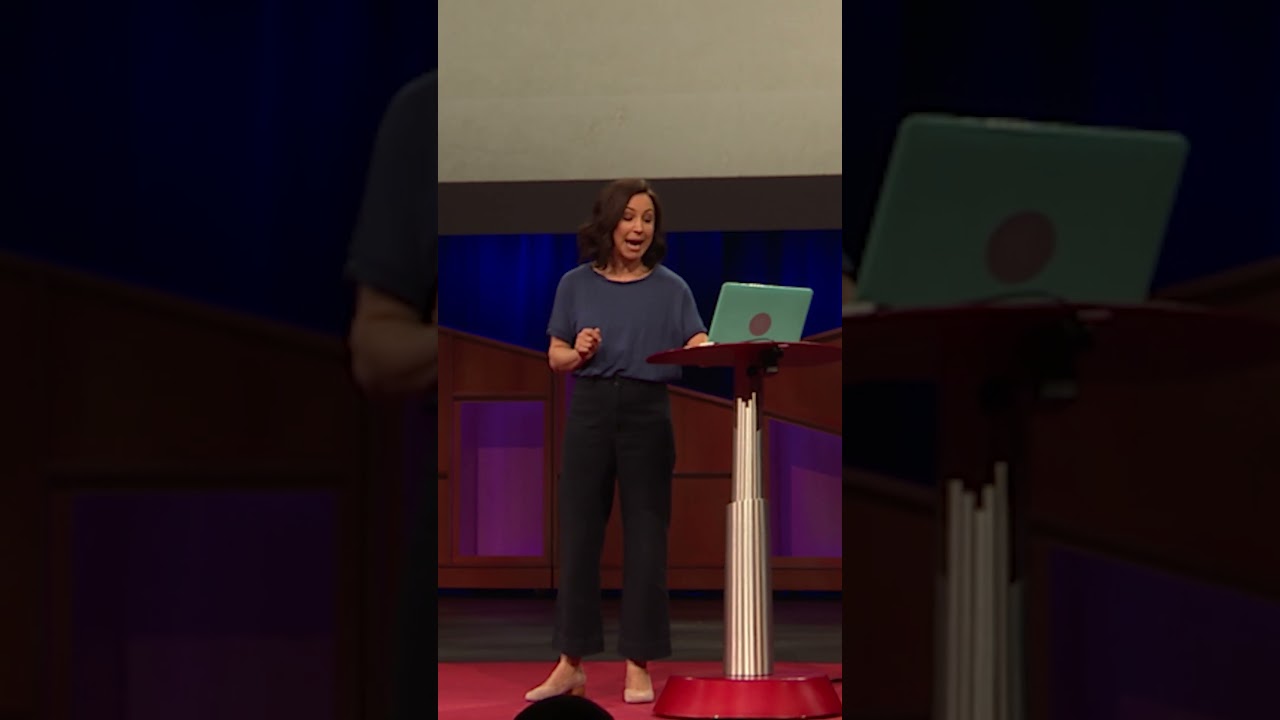
Do you sometimes have your most creative ideas while folding laundry, washing dishes or doing nothing in particular? It’s because when your body goes on autopilot, your brain gets busy forming new neural connections that connect ideas and solve problems. Learn to love being bored as Manoush Zomorodi explains the connection between spacing out and…
Published

on

Do you sometimes have your most creative ideas while folding laundry, washing dishes or doing nothing in particular? It’s because when your body goes on autopilot, your brain gets busy forming new neural connections that connect ideas and solve problems. Learn to love being bored as Manoush Zomorodi explains the connection between spacing out and creativity.

Continue Reading

People & Blogs

The Path to Mathematical Superintelligence | Tudor Achim | TED

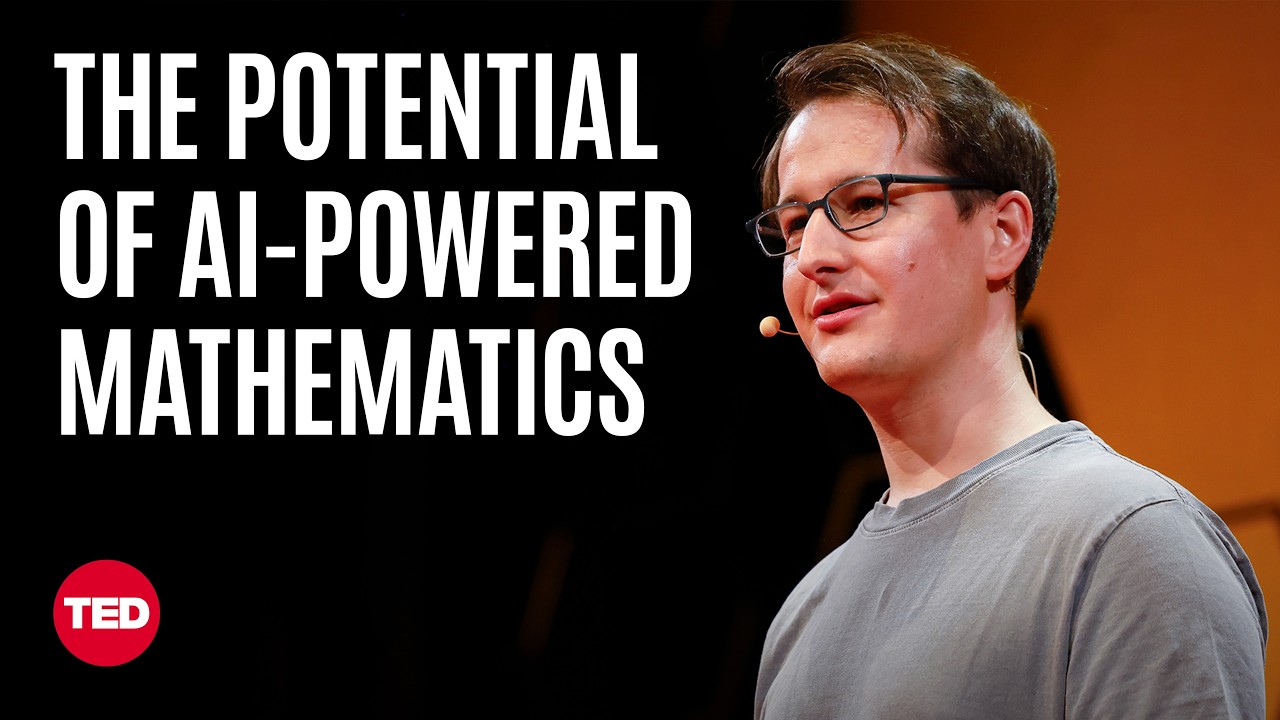
Generative AI hallucinates, creating a truth problem that science can’t afford. Computer scientist Tudor Achim thinks a 400-year-old idea holds the fix: Leibniz’s dream of a logical framework where errors are simply impossible. Learn about his idea for mathematical superintelligence that would ground AI in formal verification, turning unreliable chatbots into rigorous partners for scientific…
Published

on

Generative AI hallucinates, creating a truth problem that science can’t afford. Computer scientist Tudor Achim thinks a 400-year-old idea holds the fix: Leibniz’s dream of a logical framework where errors are simply impossible. Learn about his idea for mathematical superintelligence that would ground AI in formal verification, turning unreliable chatbots into rigorous partners for scientific discovery. (Recorded at TEDAI San Francisco 2025 on October 21, 2025)

Join us in person at a TED conference:
Become a TED Member to support our mission:
Subscribe to a TED newsletter:

Follow TED!
Instagram:
LinkedIn:
TikTok:
Facebook:
X:

The TED Talks channel features the best talks and performances from the TED Conference, where the world’s leading thinkers and doers give the talk of their lives in 18 minutes (or less) — plus originals, podcasts and exclusive content. Look for videos on Technology, Entertainment and Design as well as science, business, global issues, the arts and more. Visit for our entire library, transcripts, translations and personalized recommendations.

Watch more:

TED videos may be used for non-commercial purposes under a Creative Commons License, Attribution–Non Commercial–No Derivatives (or the CC BY – NC – ND 4.0 International) and in accordance with the TED Talks Usage Policy: . For more information on using TED for commercial purposes (e.g. employee learning, in a film or online course), submit a request at

#TED #TEDTalks #Technology

Continue Reading

People & Blogs

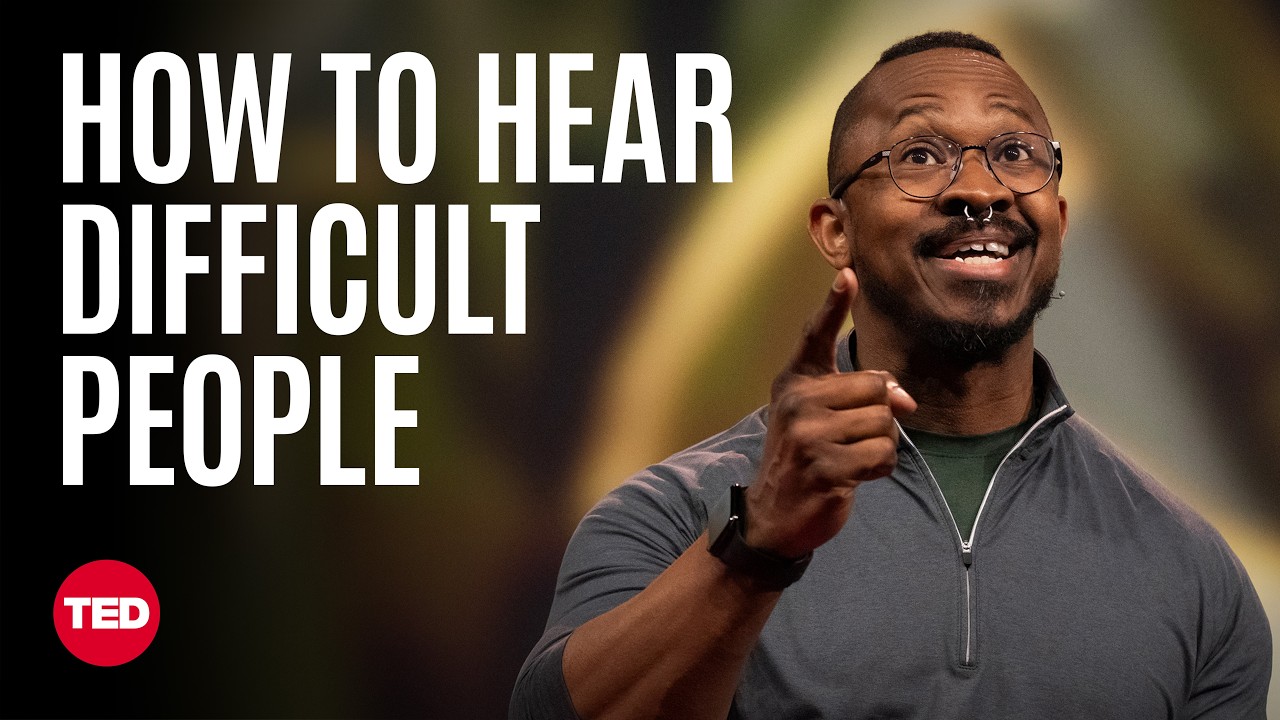
Idiots Are Everywhere. Here’s How to Cope | Joshua Johnson | TED

Neutrality can get you through a tough conversation, but it rarely gets you anywhere else. Joshua Johnson, actor/anchor for “The Onion” and former NPR host, makes the case instead for objectivity — parking your own opinions for a moment so you can focus on someone else’s story. He shares three quick ways to turn your…

Published

on

Neutrality can get you through a tough conversation, but it rarely gets you anywhere else. Joshua Johnson, actor/anchor for “The Onion” and former NPR host, makes the case instead for objectivity — parking your own opinions for a moment so you can focus on someone else’s story. He shares three quick ways to turn your most frustrating conversations into real understanding. (Recorded at TED2026 on April 16, 2026)

Join us in person at a TED conference:
Become a TED Member to support our mission:
Subscribe to a TED newsletter:

Follow TED!
Instagram:
LinkedIn:
TikTok:
Facebook:
X:

The TED Talks channel features the best talks and performances from the TED Conference, where the world’s leading thinkers and doers give the talk of their lives in 18 minutes (or less) — plus originals, podcasts and exclusive content. Look for videos on Technology, Entertainment and Design as well as science, business, global issues, the arts and more. Visit for our entire library, transcripts, translations and personalized recommendations.

Watch more:

TED videos may be used for non-commercial purposes under a Creative Commons License, Attribution–Non Commercial–No Derivatives (or the CC BY – NC – ND 4.0 International) and in accordance with the TED Talks Usage Policy: . For more information on using TED for commercial purposes (e.g. employee learning, in a film or online course), submit a request at

#TED #TEDTalks #Communication

Continue Reading

Trending