
People & Blogs
Everything you can observe — stars, planets, galaxies — is only a fraction of what exists #TEDTalks
The universe that we know, with its luminous stars and orbiting planets, is largely made up of elements we can’t actually see — like dark energy and dark matter — and therefore don’t fully understand. Theoretical physicist Chanda Prescod-Weinstein takes us inside the search for this cosmos-shaping invisible matter and explains how, with the help…








People & Blogs
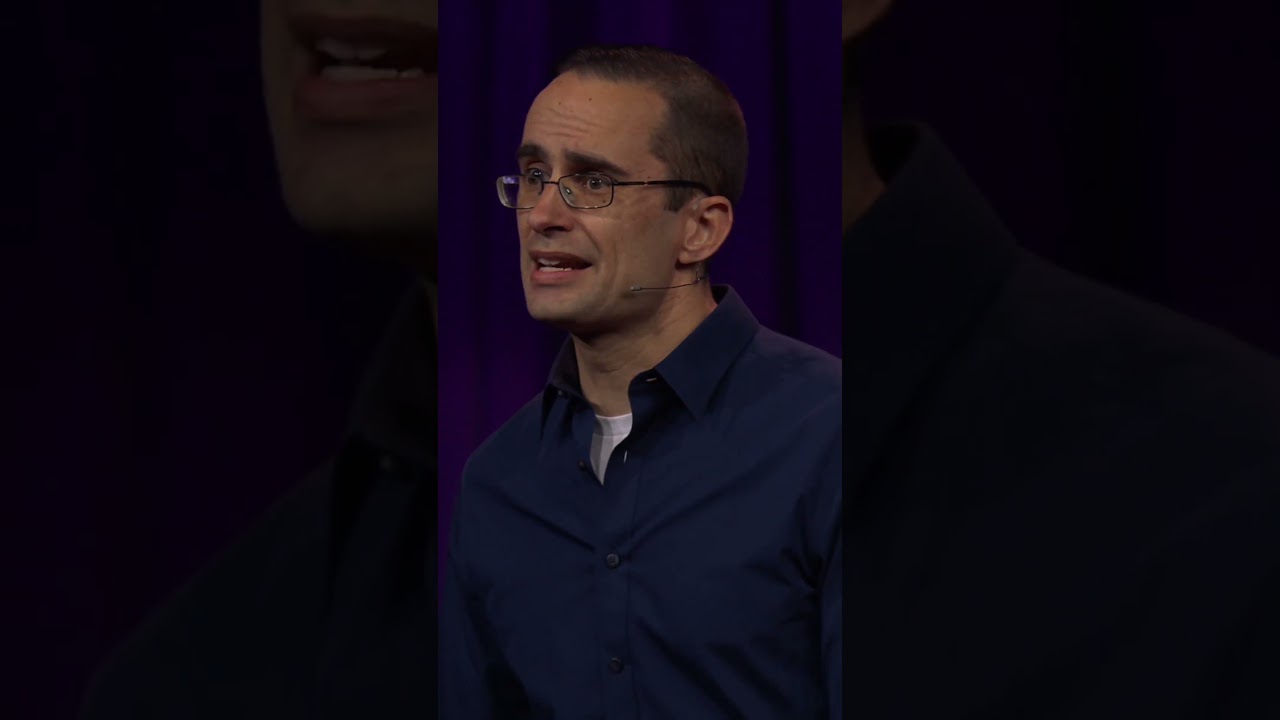
Your body is build for movement — so make it a part of your day #TEDTalks
Can a five-minute walk change how you feel all day? Exercise scientist Keith Diaz shows how your body is built for the kind of movement that modern life has quietly erased — and suggests something refreshingly doable: making time for small doses of movement sprinkled throughout the day, as a way to boost your brain…
People & Blogs
Inside Dubai’s Mission to Build the City of the Future | His Excellency Khalfan Belhoul | TED
What does it look like when a city becomes a laboratory for innovation? His Excellency Khalfan Belhoul, CEO of the Dubai Future Foundation, explains why Dubai is cutting the bureaucratic red tape to experiment with big ideas in everything from AI and emerging tech to finance and climate solutions. The future, he says, depends on…

People & Blogs
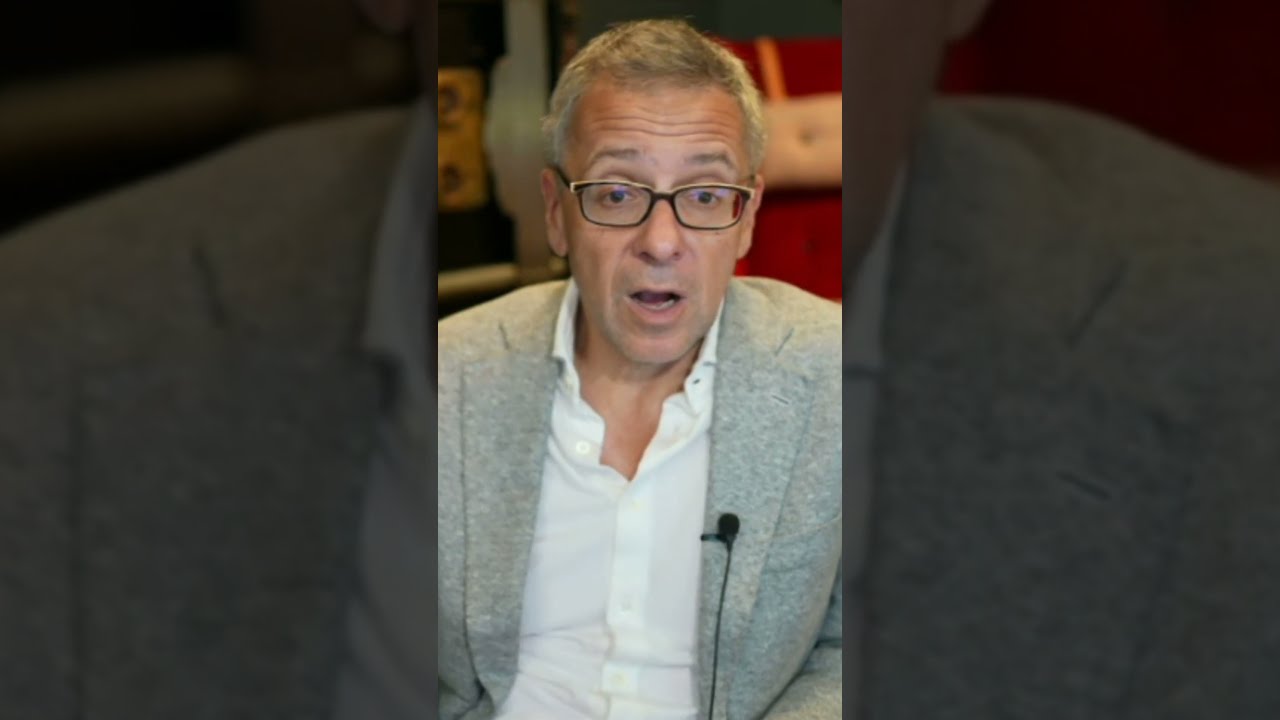
The Iran war has cost billions — but its toll goes far beyond the global economy says @Ian_Bremmer
Six months into a catastrophic war in Iran — and with no end in sight for the war in Ukraine — the world is embroiled in conflicts with no apparent exit plan. In this interview, political scientist and Eurasia Group founder Ian Bremmer breaks down what these wars are costing people around the world —…


Apple’s Stumble, Amazon’s Surge and Anthropic’s Hacks | Bloomberg Tech 7/31/2026

Moonshot’s Kimi Built With Nvidia Compute

The Next AI Boom Is in Health Care and Robotics, Says Lux Capital’s Shakir
-

 Science & Technology6 years ago
Nitya Subramanian: Products and Protocol
-

 People & Blogs4 years ago
Sleep Expert Answers Questions From Twitter ???? | Tech Support | WIRED
-
 CNET6 years ago
Ways you can help Black Lives Matter movement (links, orgs, and more) ????????
-
 Wired7 years ago
How This Guy Became a World Champion Boomerang Thrower | WIRED
-
 Wired7 years ago
Neuroscientist Explains ASMR’s Effects on the Brain & The Body | WIRED
-
 Wired7 years ago
Why It’s Almost Impossible to Solve a Rubik’s Cube in Under 3 Seconds | WIRED
-
 Wired7 years ago
Former FBI Agent Explains How to Read Body Language | Tradecraft | WIRED
-

 CNET7 years ago
Surface Pro 7 review: Hello, old friend ????
@vesawuoristo4162
March 16, 2026 at 12:13 pm
That’s not really a fact.
@jonnanderson6489
March 16, 2026 at 1:49 pm
Theory in search of evidence, kinda like string theory.
@MikeOBrien1945
March 16, 2026 at 4:42 pm
Can you disprove it?
@j1r2000
March 16, 2026 at 4:48 pm
@jonnanderson6489 small correction a theory is not “in search of evidence” a theory fits the evidence we have gathered so far. a hypothesis requires people to go out in search of evidence.
and yes the semantics do actually matter as it leads to confusion around research if we not precise with our semantics
@damwizzthegreat
March 16, 2026 at 7:42 pm
@MikeOBrien1945not all that cant be proven is wrong not all that can be proven is correct
@MikeOBrien1945
March 16, 2026 at 8:21 pm
@damwizzthegreat That’s not disproving anything. Just a poignant saying. I’m sticking with the scientist…
@leagarner3675
March 16, 2026 at 8:05 pm
We live in a dark matter halo?
@davidcasey5976
March 16, 2026 at 9:20 pm
Her nose matters
@JohnDoe-fy5kd
March 17, 2026 at 8:26 pm
She can smell 👃🏻 the invisible stuff
@JohnDoe-fy5kd
March 17, 2026 at 8:27 pm
The nose knows