
People & Blogs
When life gets complicated with fear, anger and joy… sometimes all you can do is laugh. #TEDTalks
What parts of yourself did you lose as you grew up? This is one of the central questions asked in Ashley C. Ford’s memoir, Somebody’s Daughter. Ashley joins Chris to talk about growing up with an incarcerated father, grappling with a complicated relationship with her mother, and how writing can be a way of processing…










People & Blogs
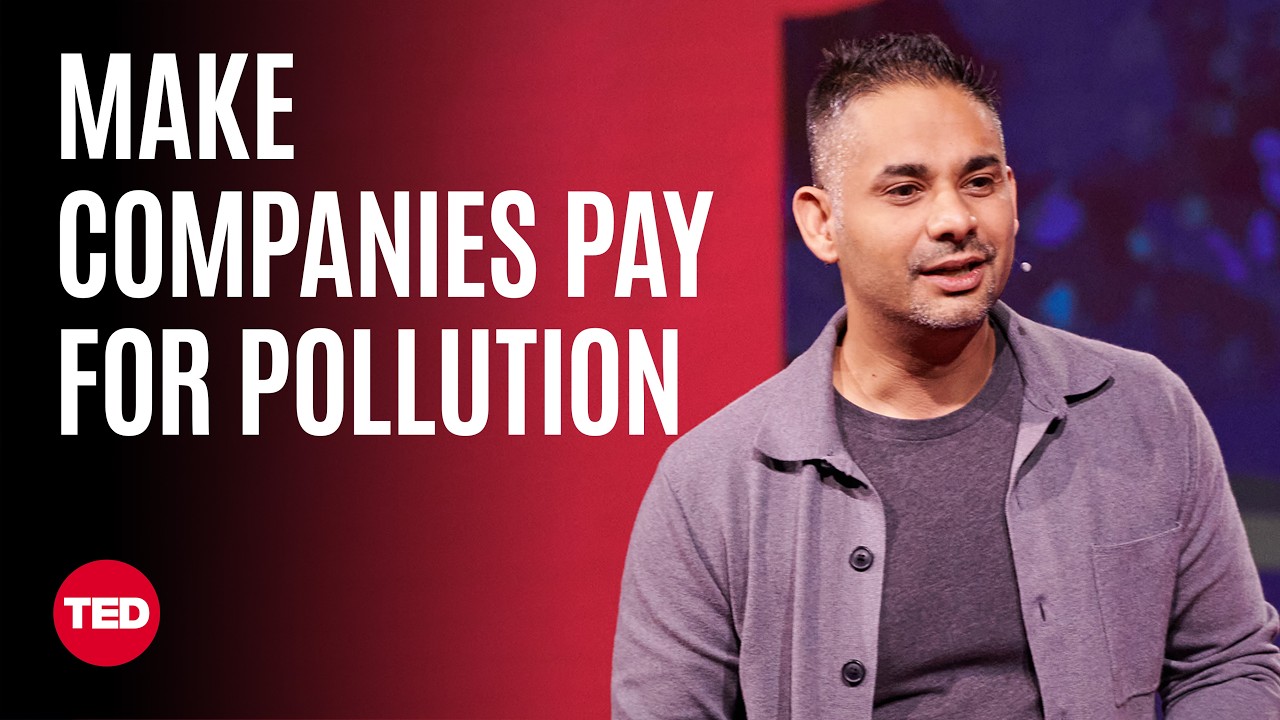
The Controversial Climate Tool Funding Real Change | Sandeep Roy Choudhury | TED
If a company plants trees to offset its pollution, is that climate progress — or is it greenwashing? Critics of carbon markets say it’s the latter. But Sandeep Roy Choudhury, who’s spent two decades financing climate projects from rural cookstoves to coastal forests, says the real failure is discouraging companies from even trying. Hear his…
People & Blogs
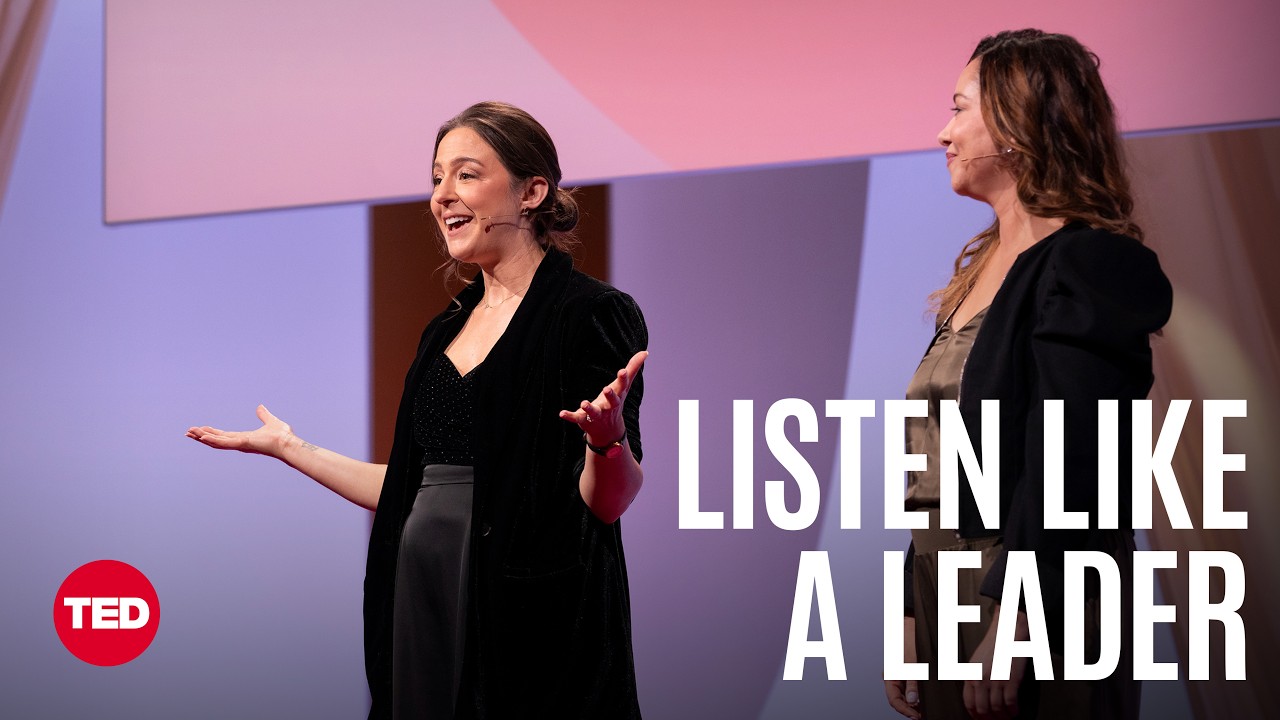
How to Be a Great Listener | Maegan Stephens, Nicole Lowenbraun | TED
Have you ever left a meeting thinking: everyone talked, but nothing was achieved? Chances are that people were listening to each other, just not in the same way. Listening experts Maegan Stephens and Nicole Lowenbraun unpack the four different ways to listen, sharing a practical framework that could change how you respond, build trust and…
People & Blogs
Have you heard of aphantasia? Here’s what it is — and how to know if you have it #TEDTalks
Picture this: a rocket ship crash-lands on a planet, and an alien approaches the spacecraft. What do you see in your mind when you visualize this scene? For Alex Rosenthal (and many others), the answer is: absolutely nothing. Exploring the fascinating science of aphantasia, or the inability to generate mental images, he shows why our…


Quick Start: Setting Up Your Samsung Galaxy Buds4 Pro

Nvidia Invests $2B in Marvell, Deepens Partnership | Bloomberg Tech 3/31/2026

What To Expect From the Artemis II Launch
-

 Science & Technology6 years ago
Nitya Subramanian: Products and Protocol
-

 People & Blogs4 years ago
Sleep Expert Answers Questions From Twitter ???? | Tech Support | WIRED
-

 CNET6 years ago
Ways you can help Black Lives Matter movement (links, orgs, and more) ????????
-
 Wired7 years ago
How This Guy Became a World Champion Boomerang Thrower | WIRED
-

 Wired7 years ago
Neuroscientist Explains ASMR’s Effects on the Brain & The Body | WIRED
-
 Wired7 years ago
Why It’s Almost Impossible to Solve a Rubik’s Cube in Under 3 Seconds | WIRED
-

 Wired7 years ago
Former FBI Agent Explains How to Read Body Language | Tradecraft | WIRED
-

 CNET6 years ago
Surface Pro 7 review: Hello, old friend ????
@Learnfactswithus
August 21, 2025 at 12:15 pm
Laughter being positive and pretending to be positive for surrounding people makes a difference of land and sky…
@ChannelingHardy
August 21, 2025 at 12:29 pm
Why isn’t America laughing at Trump then?
@AnnieB-v8j
August 21, 2025 at 7:59 pm
Because he holds truly dangerous power, maybe? And…some people are (e.g. Seth Meyers, John Stewart, Colbert = cancelled)
@nadamuchu
August 21, 2025 at 1:20 pm
pls add captions like all the other TED content
@ytbluebrown
August 22, 2025 at 2:52 am
First, press the video for a while and then click on the third option above the settings and turn on the caption. 😊
@MDmamunMiah-j5b
August 22, 2025 at 12:32 pm
😢😢😢😢