
People & Blogs
4 Relationship Traps That Lead to Burnout | Eric Quintane | TED
Are your workplace relationships quietly burning you out? Drawing on large-scale research across industries, organizational behavior researcher Eric Quintane reveals four hidden relational traps woven into the fabric of work — and explores how connection shapes resilience, vulnerability and burnout. (Recorded at TEDxESMTBerlin on February 1, 2025) Join us in person at a TED conference:…











People & Blogs
Group chats used to be written on the walls (literally). #TEDTalks
Take a graffiti tour through ancient Pompeii with Roman archaeologist Jacqueline DiBiasie-Sammons and discover what 2,000-year-old scribblings from antiquity can teach us about life in modern times. A fascinating reminder of what we leave behind for future generations.

People & Blogs
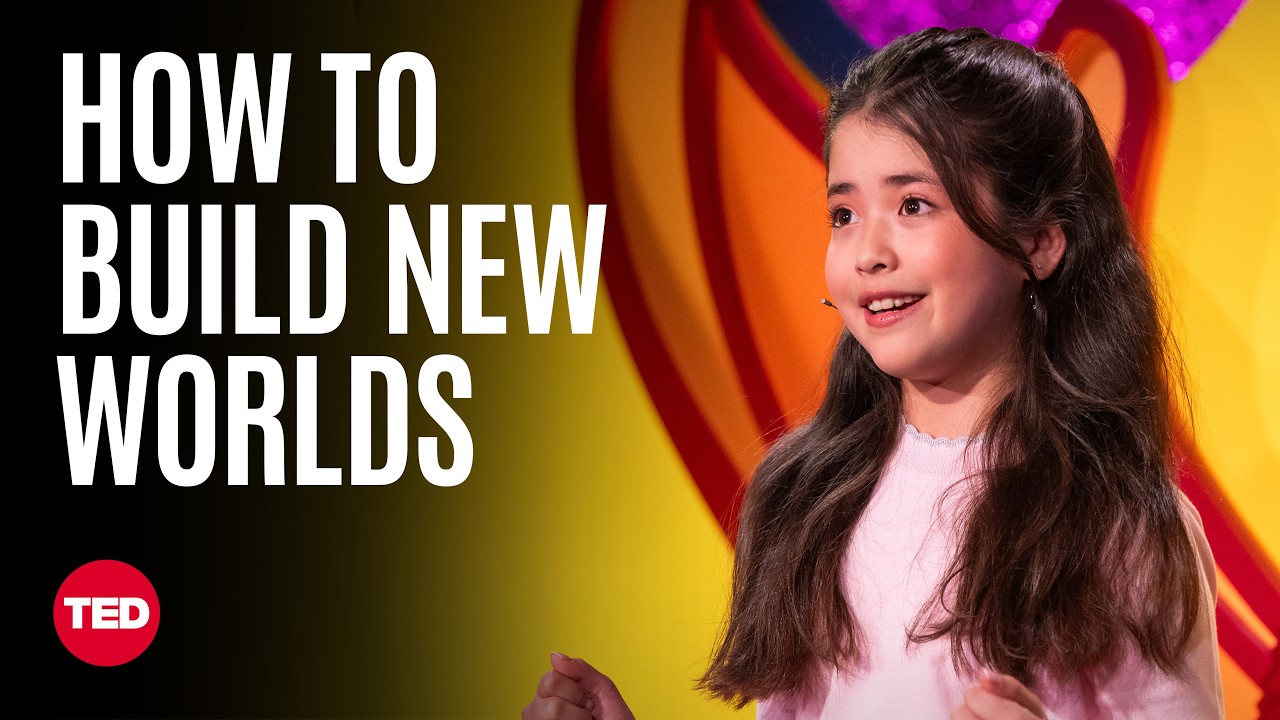
The Power of Imagination — Onstage and Off | Suki Hillier | TED
When professional child actor Suki Hillier landed the title role in “Matilda The Musical,” she thought she would have to learn how to become someone else. Instead, she realized she had known the role since she was three, when she playfully tried to move objects with her mind the way Matilda does. In this joyful…
People & Blogs
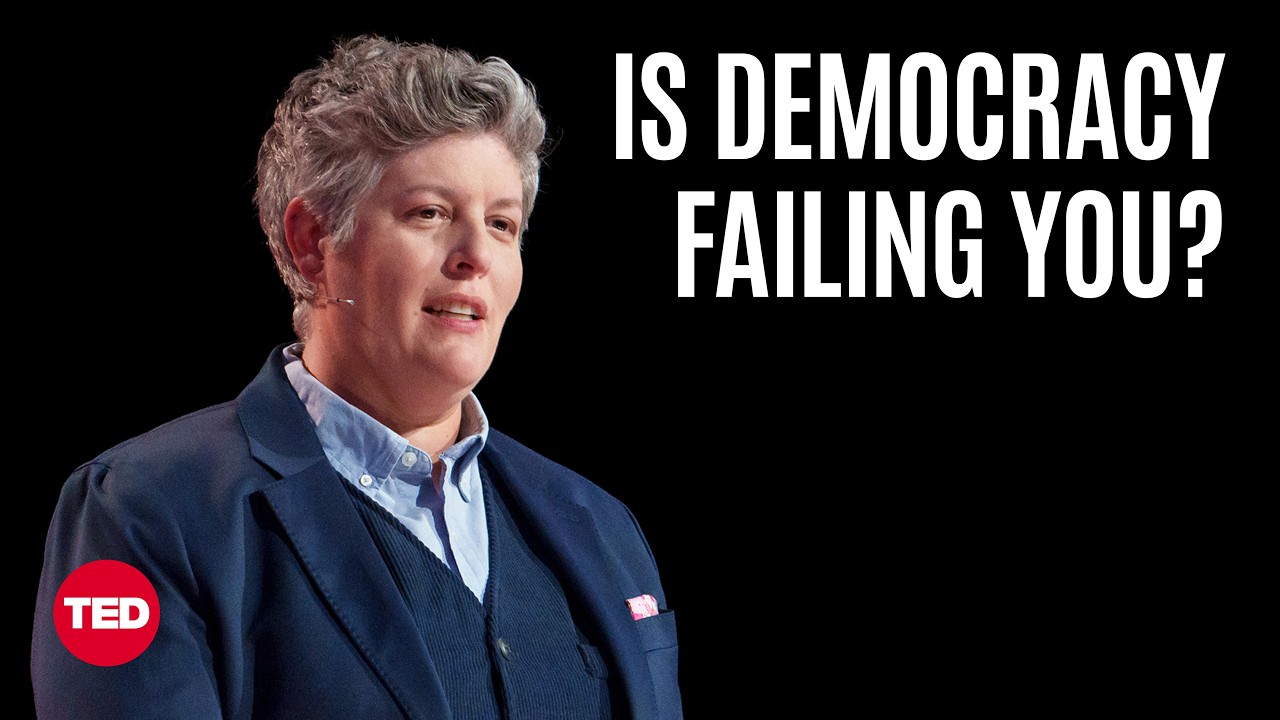
Why Economic Inequality Is the Biggest Threat to Democracy | Sally Kohn | TED
Is authoritarianism winning, or is democracy just failing to deliver? Communications strategist Sally Kohn lays out how democracy has evolved before and why it must evolve again, into what she calls “Democracy 3.0” — a version that finally shares power and opportunity equally. “We the people demand that our politics and our economy work way…


Meet the startup helping Wall Street put a price on AI compute | Equity Podcast

Marvell, Google Deepen Ties in AI Chip Race | Bloomberg Tech 8/19/2026

Investors Bet on Making Commercial Fusion a Reality
-

 Science & Technology6 years ago
Nitya Subramanian: Products and Protocol
-

 People & Blogs4 years ago
Sleep Expert Answers Questions From Twitter ???? | Tech Support | WIRED
-

 CNET6 years ago
Ways you can help Black Lives Matter movement (links, orgs, and more) ????????
-
 Wired7 years ago
How This Guy Became a World Champion Boomerang Thrower | WIRED
-

 Wired7 years ago
Neuroscientist Explains ASMR’s Effects on the Brain & The Body | WIRED
-
 Wired7 years ago
Why It’s Almost Impossible to Solve a Rubik’s Cube in Under 3 Seconds | WIRED
-

 Wired7 years ago
Former FBI Agent Explains How to Read Body Language | Tradecraft | WIRED
-

 CNET7 years ago
Surface Pro 7 review: Hello, old friend ????
@zelditia
April 12, 2026 at 11:01 am
first
@pleasantgurl
April 12, 2026 at 11:23 am
I don’t feel safe in a corporation.
@StarPlayerx-143
April 12, 2026 at 11:50 am
Wasn’t there a TEDxDJIS YOUTH yesterday? Where is it?
@draconianminions
April 12, 2026 at 12:11 pm
I love the takeaway – if restrictive norms and emotional contagion, then diversify, if uncontrollable inter-dependencies and excessive demand, then consolidate.
@phoebej7806
April 12, 2026 at 2:10 pm
I thought this description was really insightful! I’ll look out for those two types of networks, and keep in mind their strengths and possible pitfalls
@phoebej7806
April 13, 2026 at 12:47 am
Summary:
He characterized two types of social networks that were especially useful for describing people at work, and valid across cultures, industries, etc.
Then four traps: toxic networks that led to burnout, with high predictability
Type I: Cohesive. Everyone’s interconnected. Strong relationships with connections. Connections know each other, and talk with each other frequently
Positives:
-can rely on support during crisis or emergency
-recognition and validation
-info spreads quickly and effectively
-coordinate fast, implement your ideas quickly
Negatives:
-(Trap 1) Norms of behavior emerge. When they become too strong, can be binding and create situation where personal interest diverges significantly from group. Stifling of creativity, individuality, and sometimes personal needs. Ex. people who feel trapped in an abusive marriage because of community norms.
-(Trap 2) Echo chamber of emotions. This becomes a bad thing when negative emotions get amplified. These negative emotions spread to everyone.
——-> Diversify your network. Cultivate relationships outside this cohesive network
Type II: Open. Your connections don’t know each other/have little awareness of each other
Positives:
-exposed to very different info, perspectives, thinking patterns
-develop skill at seeing things from very different angles
-skill at translating ideas from one context to another, combining ideas
-control over the info transmitted, which is powerful
Negatives:
-(Trap 3) Tasks that require collaboration between these unconnected people can become very difficult and stressful because you may feel like you have no control over the timeliness or quality
-(Trap 4) Too many people rely on you. Stretched too thin.
————> Refocus on your core groups. Help cultivate relationships between your connections
He recommends a relationship health check every half year or so, and gives specific things to look for to avoid each trap
@inner_ghost
April 13, 2026 at 5:35 am
Interesting
@AKTamim-l1k
April 13, 2026 at 8:15 am
I acknowledge the idea of categorizing problems in relationships, it’s my take overall that the presentation could be much better. Because I failed to focus on the idea. the idea speaker is here to share.