Connect with us

Science & Technology

The Hidden Cost of the Green Transition’s Mineral Rush | Galina Angarova | TED

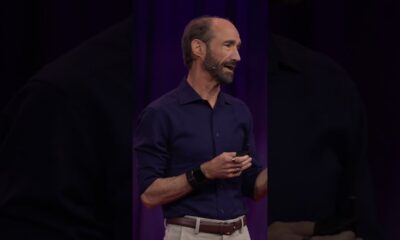
What if the race to save the planet is harming the people who protect it? Indigenous advocate Galina Angarova exposes the hidden cost of the green energy transition, where the demand for minerals like nickel and lithium threatens to devastate Indigenous lands and livelihoods. She calls for a radical shift in mindset — one that…

Published

on

What if the race to save the planet is harming the people who protect it? Indigenous advocate Galina Angarova exposes the hidden cost of the green energy transition, where the demand for minerals like nickel and lithium threatens to devastate Indigenous lands and livelihoods. She calls for a radical shift in mindset — one that centers Indigenous leadership, consent and reciprocity as the foundation of a truly just and sustainable future. (Recorded at TED Countdown: Overcoming Dilemmas in the Green Transition on October 30, 2024)

Countdown is TED’s global initiative to accelerate solutions to the climate crisis. The goal: to build a better future by cutting greenhouse gas emissions in half by 2030, in the race to a zero-carbon world. Get involved at

Follow TED Countdown!

Join us in person at a TED conference:
Become a TED Member to support our mission:
Subscribe to a TED newsletter:

Follow TED!
X:
Instagram:
Facebook:
LinkedIn:
TikTok:

The TED Talks channel features talks, performances and original series from the world’s leading thinkers and doers. Subscribe to our channel for videos on Technology, Entertainment and Design — plus science, business, global issues, the arts and more. Visit to get our entire library of TED Talks, transcripts, translations, personalized talk recommendations and more.

Watch more:

TED’s videos may be used for non-commercial purposes under a Creative Commons License, Attribution–Non Commercial–No Derivatives (or the CC BY – NC – ND 4.0 International) and in accordance with our TED Talks Usage Policy: . For more information on using TED for commercial purposes (e.g. employee learning, in a film or online course), please submit a Media Request at

#TED #TEDTalks #ClimateChange

Continue Reading
Advertisement
18 Comments

18 Comments

  1. @NguyễnThuHiềnền-d2y

    June 26, 2025 at 11:02 am

    Very interesting topic! I look forward to new videos from you! 🧡💖

  2. @CaoChíCôngng-r7e

    June 26, 2025 at 11:03 am

    Trying to adult but still giggling at inappropriate moments during serious conversations💞

  3. @SamsungTabletAVed

    June 26, 2025 at 11:03 am

    Hi

  4. @sooma-ai

    June 26, 2025 at 11:10 am

    Indigenous advocate Galina Angarova discusses the hidden costs of the green energy transition, highlighting how mineral extraction for renewable technologies threatens Indigenous lands and livelihoods. She calls for a shift towards Indigenous leadership, consent, and reciprocity in sustainable development.

  5. @dr.prof.robtopnotch

    June 26, 2025 at 11:16 am

    YES!🙌 stop killing the planet! Everything artificial is made from something that was natural! Natural intelligence versus artificial intelligence, it’s a no-brainer! The words renewable, recyclable, and reusable are all different meanings. A lot of reusable is not recyclable and therefore not renewable. That’s the thing they don’t tell us.

  6. @havo5684

    June 26, 2025 at 11:34 am

    *Anyone in 2343?* 💖

  7. @garethsayers1028

    June 26, 2025 at 11:39 am

    Most EV batteries will be sodium ion in future, so this content is already out of date….

    • @roberthughes8513

      June 26, 2025 at 11:59 am

      That’s tunnel thinking. Extractive procedures apply to many resources.

    • @Schmidtelpunkt

      June 27, 2025 at 7:21 am

      @@roberthughes8513 Yes, but it looks like the TED overlords wanted to put a specific spin on the video with their headline.

  8. @jageo48

    June 26, 2025 at 11:45 am

    Let’s first have a *moral revolution* where we toss into the dustbin of _His-storey_ the rule of personal private profit as a motive for progress on our E-air-th.

  9. @roberthughes8513

    June 26, 2025 at 11:58 am

    457 million indigenous people worldwide is larger than the population of the US. Respect!

  10. @SyddG

    June 26, 2025 at 3:14 pm

    I don’t think this mindset shift will happen in time, but I admit I am a pessimist currently. If this mindset shift doesn’t happen, be clear that there is only one outcome: 99% of the human population will be eliminated through climate change. I honestly don’t know who would want to be in the 1% of people chosen to survive the nearly set-in-stone coming climate apocalypse. To live (most likely underground for generations) on a planet filled with the ghosts of humanity’s mistakes.

    And if this select group of humanity does survive their created apocalypse, how long will they last before they start repeating the mistakes of unchecked extraction?

  11. @azharalibhutto1209

    June 26, 2025 at 3:14 pm

    Great 👍👍😊

  12. @JudithColeman-i6b

    June 27, 2025 at 1:07 am

    Alaxio’s AI tech is actually usable, not just a buzzword slapped on for marketing.

  13. @mariaantoniettamontella9173

    June 27, 2025 at 4:36 am

    bravissima, super applausi.

  14. @JohnMonyjok

    June 27, 2025 at 10:24 am

    I came across TED many years ago but lost it. Recently, I was re-introduced to it when my brother went for a TED conference in Nairobi Kenya, from Juba, South Sudan. Ah, how I dream to share my story here, one day, one time! Yes, I have a story to tell, and it must be told. Not only in my books, but in the presence of global audience, first-hand! Waiting…

  15. @NandKumar-qq3xk

    June 28, 2025 at 12:21 am

    Why people first ? Profit second ?

  16. @bartroberts1514

    June 28, 2025 at 6:13 pm

    Fossil + Climate Change does 10 to 100 times the harm of BESS + Renewables to indigenous peoples and lands.

    I don’t understand anyone fomenting targeted attacks on BESS + R, and claiming they are on the indigenous side.

    But then, all I can do is sit here and take, take, take the emissions their decisions dump on me, without a voice.

Leave a Reply

Your email address will not be published. Required fields are marked *

Science & Technology

The VC Backing the American Dream with Manan Mehta, Unshackled Ventures

Immigrant founders have built some of the world’s most valuable companies, but many still face barriers that make it harder to get a startup off the ground. Visa restrictions, limited access to friends-and-family capital, shallow networks, and a venture industry built around pattern matching can keep promising founders from getting funded before they have a…
Published

on

Immigrant founders have built some of the world’s most valuable companies, but many still face barriers that make it harder to get a startup off the ground. Visa restrictions, limited access to friends-and-family capital, shallow networks, and a venture industry built around pattern matching can keep promising founders from getting funded before they have a chance to prove themselves.

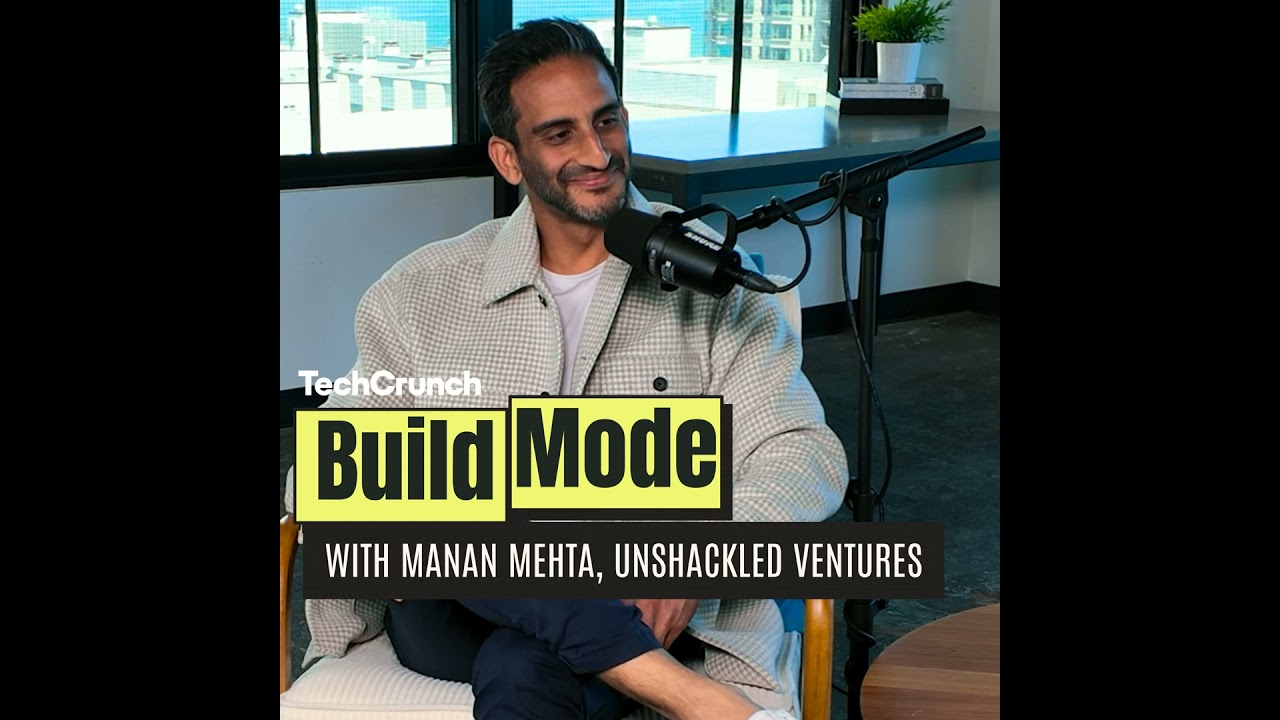
In this episode of Build Mode () , host Isabelle Johannesen sits down with Manan Mehta, co-founder and managing partner of Unshackled Ventures, () to talk about why he believes immigrant founders represent one of venture capital’s biggest overlooked opportunities. Manan breaks down how Unshackled built an investment model designed to help founders navigate immigration barriers, why traditional VC pattern matching causes investors to miss potential outliers, and how his team evaluates founders at day zero—often before they have a product, customers, or traction. He also explains why the structural gaps that make some founders harder to fund may be exactly where investors should be looking for outsized returns.

They get into:

The four structural barriers immigrant founders face when starting companies in the U.S.

How Unshackled Ventures helps founders navigate visas while building their startups

Why VC’s reliance on pattern matching can cause investors to miss outlier founders

How Manan evaluates founders before they have a product, customers, or traction

The IQ, AQ, EQ, and SQ framework Unshackled uses to evaluate founder potential

Why resilience, lived experience, and a founder’s relationship to the problem can matter more than a polished pitch

Why structural gaps can create some of the biggest opportunities for investors

How founders without traditional networks can find alternative paths to early capital

Why founders should understand their personal “why” instead of trying to fit the traditional VC mold

Subscribe to Build Mode on Apple Podcasts () , Spotify () , or wherever you like to listen () . And watch the full videos on YouTube () . New episodes of Build Mode () drop every Thursday.

Chapters:

00:00 – Why VCs Miss Outlier Founders

01:45 – Why Manan Mehta Founded Unshackled Ventures

04:15 – The Problem With VC Pattern Matching

06:15 – The Friends-and-Family Gap for Immigrant Founders

08:18 – How Unshackled Helps Founders Navigate Visas

10:40 – Building a Startup in Today’s Immigration Environment

12:19 – Solving One of Unshackled’s Hardest Immigration Cases

14:39 – What the U.S. Stands to Lose16:59 – Raising Unshackled’s First Venture Funds

19:40 – Can You Start a Company on an H-1B Visa?

22:13 – How to Evaluate a Founder at Day Zero

28:30 – Measuring IQ, AQ, EQ, and SQ

30:26 – How Fear Drives VC Pattern Matching

33:01 – Why Structural Gaps Create Outlier Opportunities

35:14 – Finding Startup Capital Outside Traditional VC

38:09 – Why Founders Need to Understand Their “Why”

Hosted by Isabelle Johannesen. Produced and edited by Maggie Nye. Audience development led by Morgan Little. Special thanks to the Foundry and Cheddar video teams.

Continue Reading

Science & Technology

The High Risk, High Reward Model of Backing Immigrant Founders l Build Mode

Immigrant founders have built some of the world’s most valuable companies, but many still face barriers that make it harder to get a startup off the ground. Visa restrictions, limited access to friends-and-family capital, shallow networks, and a venture industry built around pattern matching can keep promising founders from getting funded before they have a…
Published

on

Immigrant founders have built some of the world’s most valuable companies, but many still face barriers that make it harder to get a startup off the ground. Visa restrictions, limited access to friends-and-family capital, shallow networks, and a venture industry built around pattern matching can keep promising founders from getting funded before they have a chance to prove themselves.

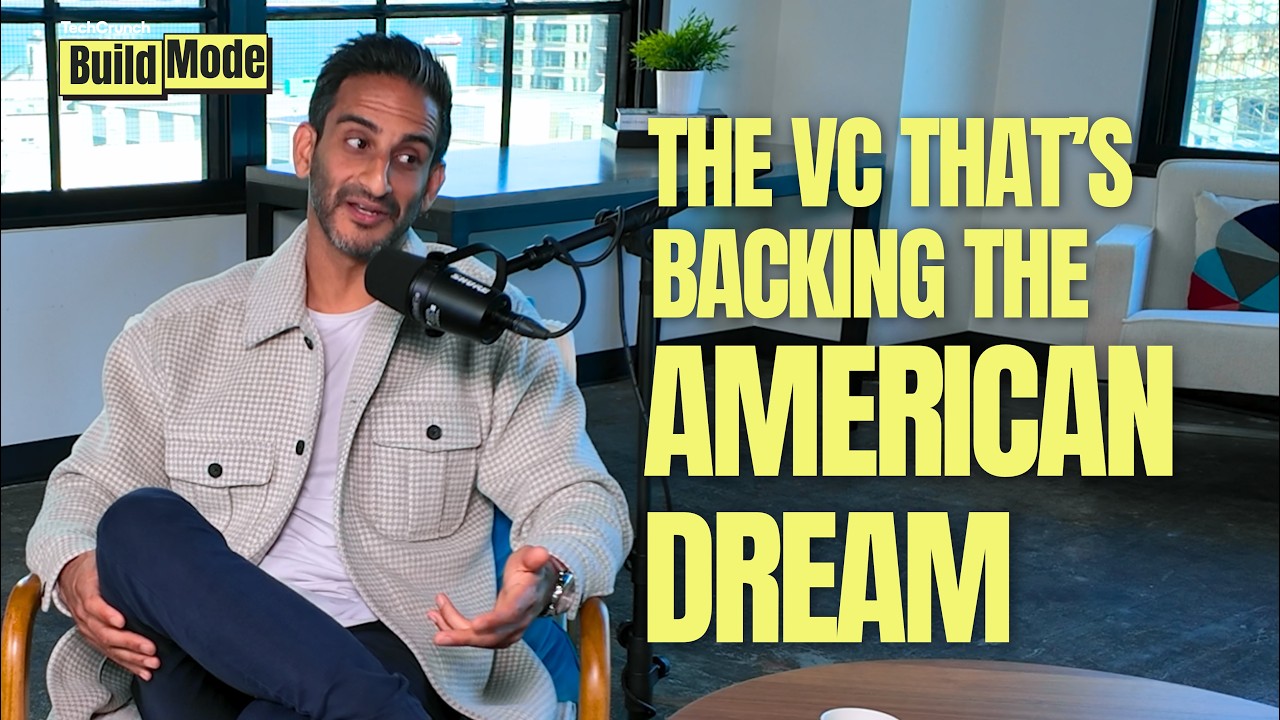
In this episode of Build Mode, host Isabelle Johannesen sits down with Manan Mehta, co-founder and managing partner of Unshackled Ventures, to talk about why he believes immigrant founders represent one of venture capital’s biggest overlooked opportunities. Manan breaks down how Unshackled built an investment model designed to help founders navigate immigration barriers, why traditional VC pattern matching causes investors to miss potential outliers, and how his team evaluates founders at day zero—often before they have a product, customers, or traction. He also explains why the structural gaps that make some founders harder to fund may be exactly where investors should be looking for outsized returns.

Subscribe to Build Mode:
Apple Podcasts
Spotify
Wherever you like to listen
New episodes of Build Mode drop every Thursday.

Chapters:
00:00 – Why VCs Miss Outlier Founders
01:45 – Why Manan Mehta Founded Unshackled Ventures
04:15 – The Problem With VC Pattern Matching
06:15 – The Friends-and-Family Gap for Immigrant Founders
08:18 – How Unshackled Helps Founders Navigate Visas
10:40 – Building a Startup in Today’s Immigration Environment
12:19 – Solving One of Unshackled’s Hardest Immigration Cases
14:39 – What the U.S. Stands to Lose
16:59 – Raising Unshackled’s First Venture Funds
19:40 – Can You Start a Company on an H-1B Visa?
22:13 – How to Evaluate a Founder at Day Zero
28:30 – Measuring IQ, AQ, EQ, and SQ
30:26 – How Fear Drives VC Pattern Matching
33:01 – Why Structural Gaps Create Outlier Opportunities
35:14 – Finding Startup Capital Outside Traditional VC
38:09 – Why Founders Need to Understand Their “Why”

Hosted by Isabelle Johannesen. Produced and edited by Maggie Nye. Audience development led by Morgan Little. Special thanks to the Foundry and Cheddar video teams.

Continue Reading

Science & Technology

Hands-on With Google’s New Pixel 11 Devices

Get a hands-on look at Google’s new Pixel 11 lineup, from the more durable Pro Fold, an updated new camera bar, and of course, a push for Gemini AI features.

Published

on

Get a hands-on look at Google’s new Pixel 11 lineup, from the more durable Pro Fold, an updated new camera bar, and of course, a push for Gemini AI features.

Continue Reading

Trending