
Science & Technology
The consumer AI products OpenAI “won’t want to kill” | Equity Podcast
Vanessa Larco, partner at Premise and former partner at NEA, thinks 2026 will finally be the year of consumer AI. Larco, who’s been investing in consumer and prosumer for years, thinks we’re about to see a shift in how consumers spend time online, with AI powering “concierge-like” services. The question is, will legacy consumer products like WebMD and TripAdvisor continue to exist as standalone apps, or…









Science & Technology
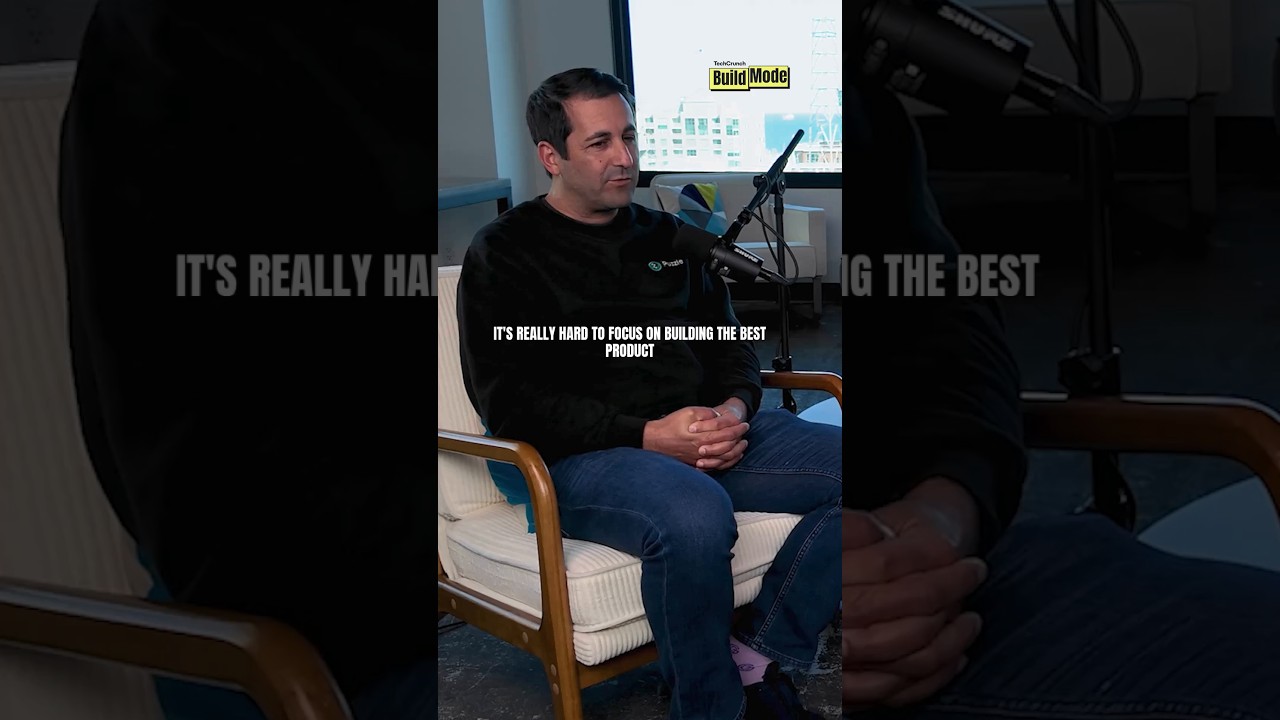
Don’t Give VCs More Leverage Than You Have To
Investors know when a founder is desperate. Sasha Orloff has raised a collective $1 billion in his career and he shares his advice for staying on top of your financial situation. Listen to the full episode of Build Mode with Puzzle’s founder and CEO:
Science & Technology
The Singularity Isn’t the Real Reason Stripe Paid $7.5B for OpenRouter
Stripe claims “the singularity” is here, and justifies its $7.5B acquisition of OpenRouter. The truth, as the Equity podcast crew highlights, is much more practical, as unglamorous as token expense management may seem:

Science & Technology
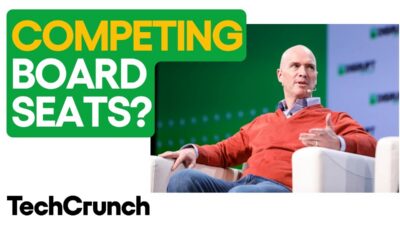
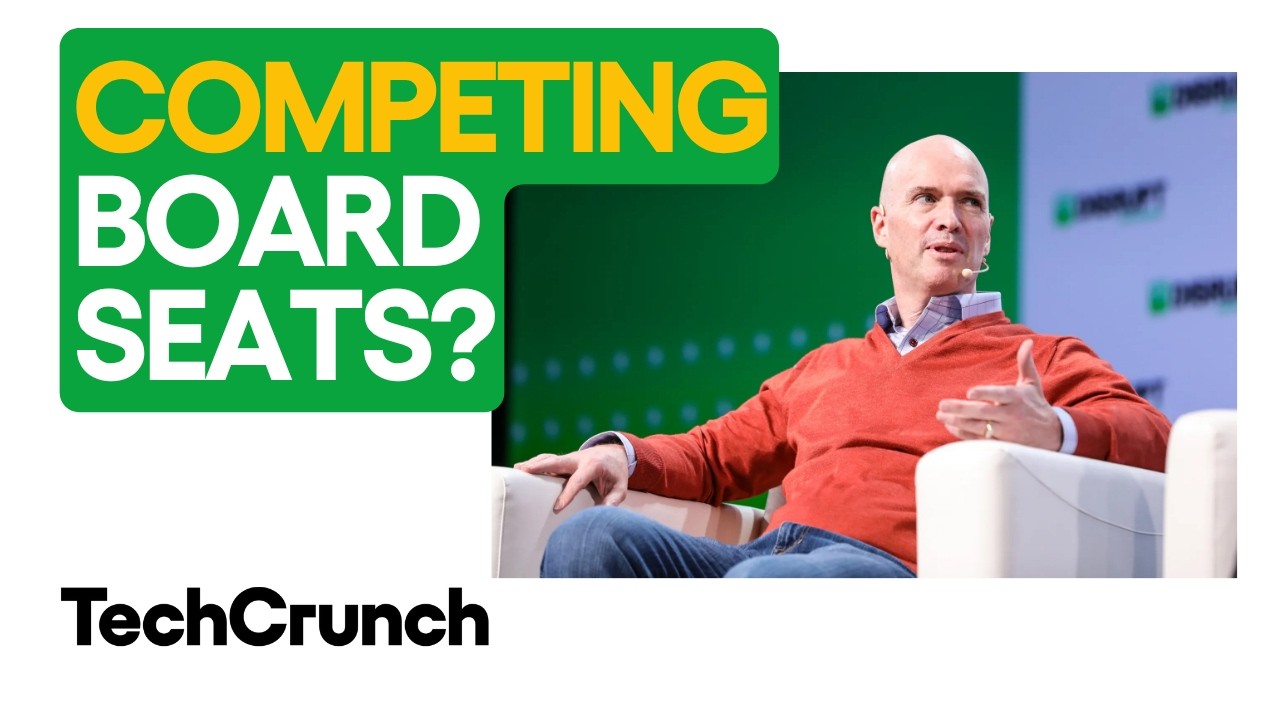
Why is the DOJ investigating Andreessen Horowitz over board seats? | Equity Podcast
Andreessen Horowitz has two partners sitting on the boards of companies that now compete with each other: Ben Horowitz at Databricks and Martin Casado at Fivetran. Nothing too scandalous on the surface, except the Department of Justice has reportedly been investigating the arrangement for almost a year, dusting off a 112-year-old antitrust law that’s rarely…

Don’t Give VCs More Leverage Than You Have To

Khosla Ventures Bets on AI’s Next Frontier: Science

Meta Safety Trial Could Reveal What Zuckerberg, Others Knew
-
 Science & Technology6 years ago
Nitya Subramanian: Products and Protocol
-

 People & Blogs4 years ago
Sleep Expert Answers Questions From Twitter ???? | Tech Support | WIRED
-

 CNET6 years ago
Ways you can help Black Lives Matter movement (links, orgs, and more) ????????
-
 Wired7 years ago
How This Guy Became a World Champion Boomerang Thrower | WIRED
-

 Wired7 years ago
Neuroscientist Explains ASMR’s Effects on the Brain & The Body | WIRED
-
 Wired7 years ago
Why It’s Almost Impossible to Solve a Rubik’s Cube in Under 3 Seconds | WIRED
-
 Wired7 years ago
Former FBI Agent Explains How to Read Body Language | Tradecraft | WIRED
-

 CNET7 years ago
Surface Pro 7 review: Hello, old friend ????
@KLBL-dp8mc
January 7, 2026 at 1:08 pm
OpenAI will be bankrupt by EOY. Burning obscene amounts of cash with no ideas how they’re going to create enough revenue to even pay the interest on the spending commitments they’ve made.
@أحمدعلي-ط5ه3ش
January 7, 2026 at 2:45 pm
❤❤❤
@SoyYoErick
January 8, 2026 at 2:09 am
It does seem like the B2C market is wide open for Agentic disruption but more so from a workflow perspective. What do you do on the daily, “which apps do you reference before choosing a place to eat and then navigate with directions”? It feels like we may see the 2.0 version form of smart assistants coming around.
@shivakhatri3271
January 8, 2026 at 12:43 pm
When did Sam Altman start Podcast?
@TUNC2-k1e
January 16, 2026 at 11:24 am
Hmmm 🤔