Connect with us

Science & Technology

Is the US government’s Anthropic ban accidentally helping the brand? | Equity Podcast

Just as last week was ending, the US government forced Anthropic to pull its two newest models, Fable 5 and Mythos 5, citing national security concerns after Amazon researchers allegedly found a way to bypass Fable 5’s guardrails. Cybersecurity researchers have since signed an open letter calling the move dangerous, and Anthropic itself noted the…

Published

on

Just as last week was ending, the US government forced Anthropic to pull its two newest models, Fable 5 and Mythos 5, citing national security concerns after Amazon researchers allegedly found a way to bypass Fable 5’s guardrails.

Cybersecurity researchers have since signed an open letter calling the move dangerous, and Anthropic itself noted the same jailbreaks exist in other models. So is this a genuine security concern, or just the latest chapter in a messy relationship between Anthropic and the Trump administration?

On this episode of TechCrunch’s Equity podcast, hosts Anthony Ha, Sean O’Kane, and Rebecca Bellan unpack what the ban means for developers building on Anthropic’s platform and for anyone watching the IPO, why it might accidentally be good for the company, and more of the week’s headlines.

Subscribe to Equity on YouTube, Apple Podcasts, Overcast, Spotify and all the casts. You also can follow Equity on X and Threads, at @EquityPod.

Chapters:

00:00 Intro

01:28 The US government pulls Anthropic’s Fable 5 and Mythos 5

03:57 Cybersecurity researchers push back on the ban

06:33 Could the ban actually help Anthropic’s business?

12:26 The UK’s sweeping social media ban for users under 16

21:34 SpaceX acquires Cursor for $60B in stock

28:53 Jeff Bezos’s $12B bet on physical AI with Prometheus

32:04 Outro

Continue Reading
Advertisement
1 Comment

1 Comment

  1. @doubledragon9530

    June 19, 2026 at 7:34 pm

    Opus 4.8 was significantly better than 4.7, I mean qualitatively better. It still got confused on long analyses, however, but Fable, man that thing never let go of its focus, whatever you were exploring, it stayed focused right there with you. I was in the middle of two substantial projects just three days in when they pulled it, and I those two projects are now on hold because, as good as Opus 4.8 is, I’m certain it won’t do as good a job and will require significantly more work from me to bring those to completion. Also, if anything needs to be slowed down, it’s the creation and use of agentic tools because that is where the real security risk is right now, poisoned tools. Check out exploits of Openclaw and vcode to name just two attack surfaces. Adversaries aren’t going after jailbreaking text prompts anymore, they are going after backdooring tools. All of that needs to be locked down, not the models themselves.

Leave a Reply

Your email address will not be published. Required fields are marked *

Science & Technology

Learn What VCs Actually Want, From a Founder Who’s Raised $1B l Build Mode

Investors want founders who understand the financial reality of their business. Messy data, misunderstood metrics, or waiting until you’re nearly out of cash to start fundraising can cost founders leverage, valuation, and even a term sheet. In this episode of Build Mode, host Isabelle Johannesen sits down with Sasha Orloff, founder and CEO of Puzzle…
Published

on

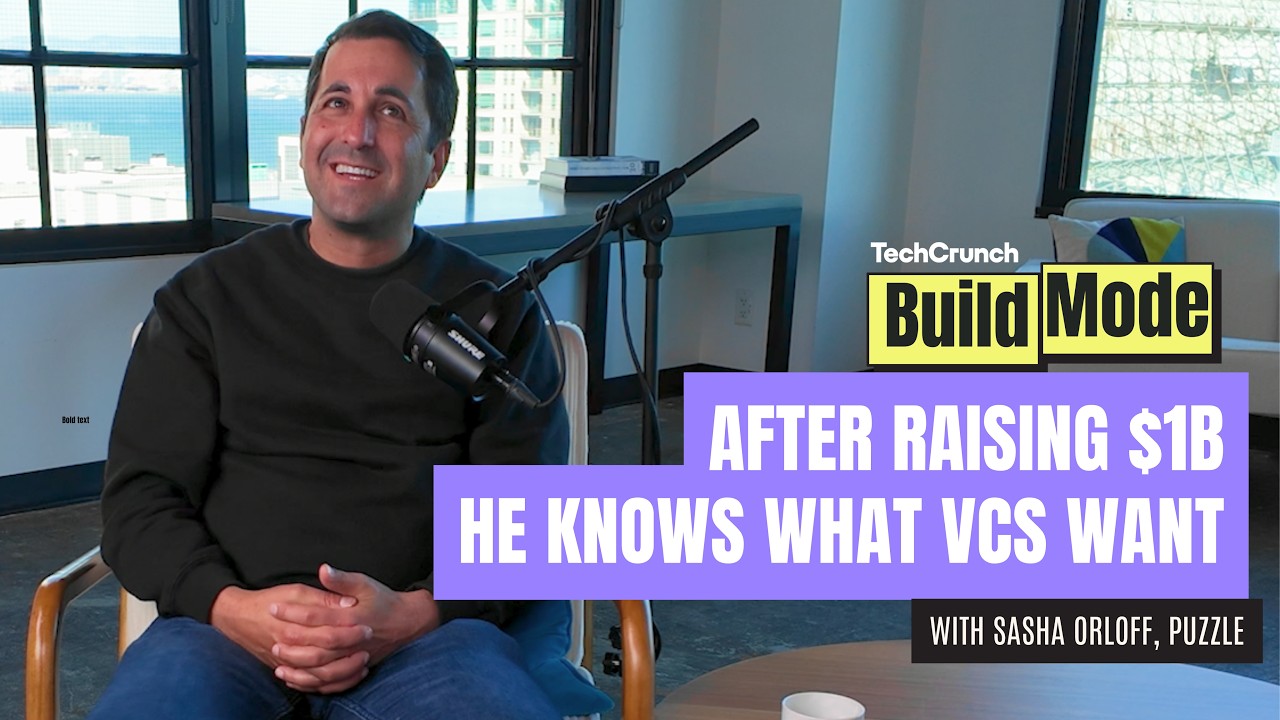
Investors want founders who understand the financial reality of their business. Messy data, misunderstood metrics, or waiting until you’re nearly out of cash to start fundraising can cost founders leverage, valuation, and even a term sheet.

In this episode of Build Mode, host Isabelle Johannesen sits down with Sasha Orloff, founder and CEO of Puzzle and Startup Battlefield alum, to talk about what he’s learned from building companies that have raised more than $1 billion collectively.

Sasha breaks down what investors look for during fundraising, which financial metrics founders should know by heart, and why VCs don’t expect your startup to be perfect—they expect you to understand its reality. He also shares how he nearly lost a term sheet because his data room wasn’t ready, how fundraising diligence changes as a startup grows, and why getting your financial house in order can help founders raise with more confidence and leverage.

They get into:
– What raising more than $1 billion across multiple companies taught Sasha about fundraising
– Why investors value founders who have a strong grasp of their company’s financial reality
– The financial metrics founders should know before pitching VCs
How investor expectations change from pre-seed and seed through Series A, B, and beyond
– Why revenue growth and the quality of that revenue are critical fundraising metrics
– How runway, margins, sales efficiency, and profitability factor into investor decisions
– Why waiting until you’re running out of cash can hurt your fundraising leverage
– How Sasha nearly lost a term sheet because his data room wasn’t ready
– Why financial organization and compliance can influence investor confidence and startup valuations
– What founders should have prepared for the due diligence process
– Why VCs don’t expect perfection—and why being honest about what isn’t working can make for a stronger pitch
– How Sasha’s own fundraising and finance frustrations ultimately led him to build Puzzle
– How AI could change the way startups manage accounting and understand their financial health

Chapters:
00:00 – Why VCs Want Founders Who Understand Reality
01:26 – Sasha Orloff’s Journey to Building Puzzle
05:05 – Why Puzzle Started With Startup Founders
08:38 – What Founders Should Know Before Fundraising
11:08 – What Investors Look for During Due Diligence
14:37 – Understanding the Financial Health of Your Startup
17:52 – The Financial Mistakes Founders Make
20:19 – When Startups Need Accountants and Finance Teams
24:04 – How Sasha Almost Lost a Term Sheet
26:10 – The Financial Metrics Founders Should Know Cold
28:20 – Lessons From Raising $1B+ Across Multiple Companies
31:45 – Why Financial Readiness Matters to Investors
33:49 – How AI Is Changing Startup Accounting
37:17 – Inside Puzzle’s Series A With General Catalyst
38:52 – Launching Puzzle at Startup Battlefield
40:38 – Sasha’s Advice for Early-Stage Founders

Subscribe to Build Mode:
Apple Podcasts
Spotify
Wherever you like to listen
New episodes of Build Mode drop every Thursday.

Continue Reading

Science & Technology

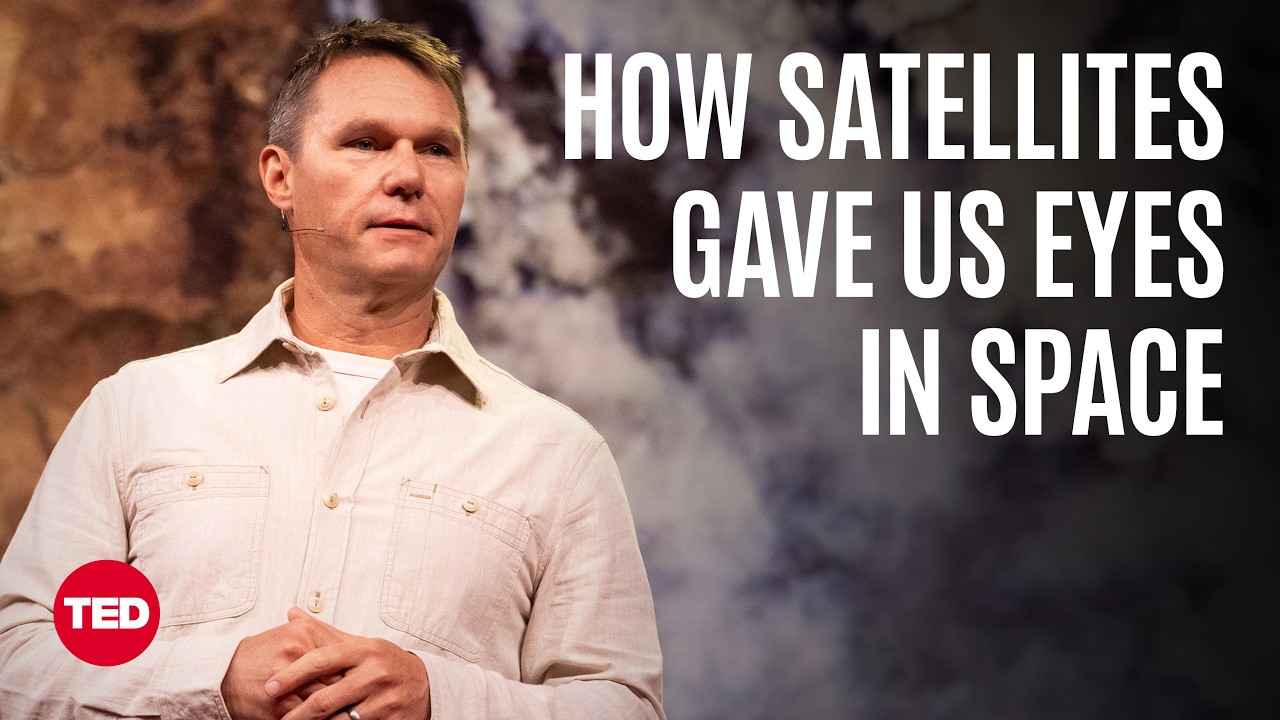
How Satellites and AI Can Protect the Planet | Robbie Schingler | TED

Space technologist Robbie Schingler cofounded a satellite company that images the whole planet every day, making visible changes on Earth. He shows how pairing that data with AI creates a “planetary intelligence” we can use to spot emerging threats we might not have seen otherwise. Now he asks: Can we close the gap between seeing…
Published

on

Space technologist Robbie Schingler cofounded a satellite company that images the whole planet every day, making visible changes on Earth. He shows how pairing that data with AI creates a “planetary intelligence” we can use to spot emerging threats we might not have seen otherwise. Now he asks: Can we close the gap between seeing a crisis coming and actually stopping it? (Followed by a note from TED guest curators Divya Siddarth and Audrey Tang) (Recorded at TED2026 on April 14, 2026)

Join us in person at a TED conference:
Become a TED Member to support our mission:
Subscribe to a TED newsletter:

Follow TED!
Instagram:
LinkedIn:
TikTok:
Facebook:
X:

The TED Talks channel features the best talks and performances from the TED Conference, where the world’s leading thinkers and doers give the talk of their lives in 18 minutes (or less) — plus originals, podcasts and exclusive content. Look for videos on Technology, Entertainment and Design as well as science, business, global issues, the arts and more. Visit for our entire library, transcripts, translations and personalized recommendations.

Watch more:

TED videos may be used for non-commercial purposes under a Creative Commons License, Attribution–Non Commercial–No Derivatives (or the CC BY – NC – ND 4.0 International) and in accordance with the TED Talks Usage Policy: . For more information on using TED for commercial purposes (e.g. employee learning, in a film or online course), submit a request at

#TED #TEDTalks #Tech #ClimateChange

Continue Reading

CNET

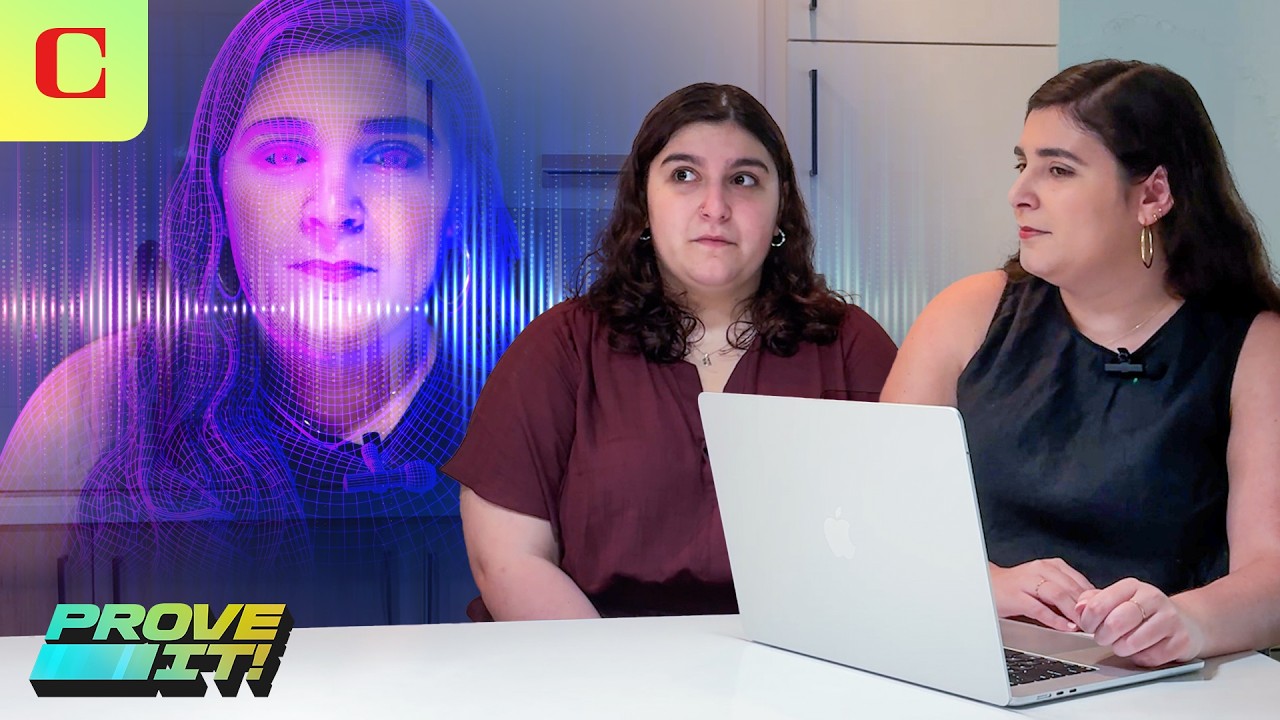
That Voicemail Isn’t Real, It’s AI. The New Wave of AI-Impersonation Scams

Scammers are using AI to impersonate high-profile targets, such as celebrities and politicians. Here’s how you can stay safe. You can find the products mentioned in this article linked below Commerce Link *CNET may get a commission on these offers Link to CNET article: Read more about X on CNET.com: Timecode Chapters: 00:00 The Threat…
Published

on

Scammers are using AI to impersonate high-profile targets, such as celebrities and politicians. Here’s how you can stay safe.

You can find the products mentioned in this article linked below
Commerce Link
*CNET may get a commission on these offers

Link to CNET article: Read more about X on CNET.com:

Timecode Chapters:
00:00 The Threat of AI Impersonation
01:25 How Deepfakes Are Used in Politics
04:07 The Rise of Hyper-Personalized Fraud
05:42 Testing a Voice Clone on My Boss
07:11 Audio Blind Taste Test With My Sister
11:10 How to Stay Vigilant Against AI Clones

Video Credits:
Host: Katelyn Chedraoui
Scripted by:Katelyn Chedraoui
Producer: Numi Prasarn
Camera: Carly Marsh
Video Editor: Jon Gomez
Thumbnail Designer: Zooey Liao

Add CNET as a trusted news source
Never miss a deal again! See CNET’s browser extension 👉
Check out CNET’s Amazon Storefront:
Subscribe to CNET on YouTube:
Follow us on TikTok:
Follow us on Instagram:
Follow us on Bluesky:
Like us on Facebook:
CNET’s AI Atlas:
Follow us on X:
Visit CNET.com:

Continue Reading

Trending