
People & Blogs
How this artist found life — and art — after alcohol
How do you fill your time after deciding to get sober? For journalist and cartoonist Edith Zimmerman, the answer was rediscovering activities she enjoyed as a kid. She chats with Chris Duffy, host of the “How to Be a Better Human” podcast, about how she quit drinking, learned to replace bad habits with healthier ones…






People & Blogs
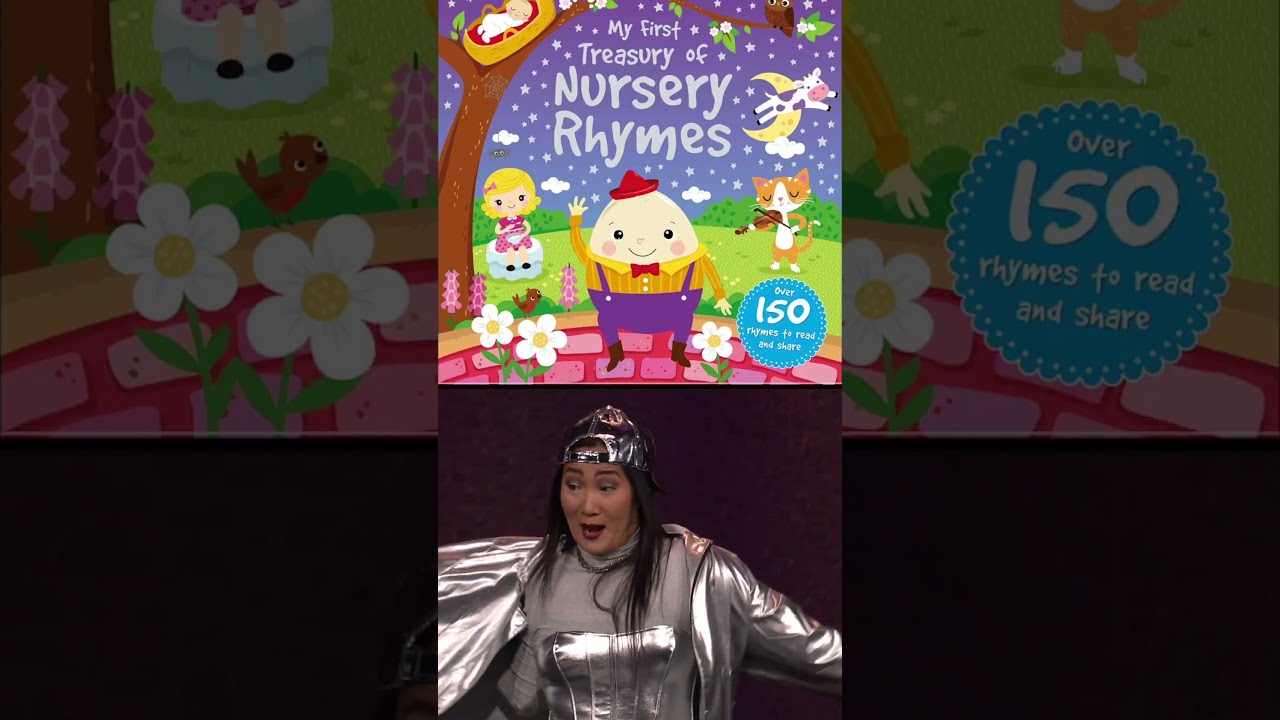
The key to a K-pop hit? Vocal fry and fruit innuendos #TEDTalks
Want to become a K-pop superstar? Comedian and musician Charlene Kaye lays out the formula for breaking through in just a few easy steps, from rapping like a sexy baby to dancing like you’re making pizza in the Matrix. Part musical, part dance performance, part comedy show — this is your how-to guide for creating…
People & Blogs
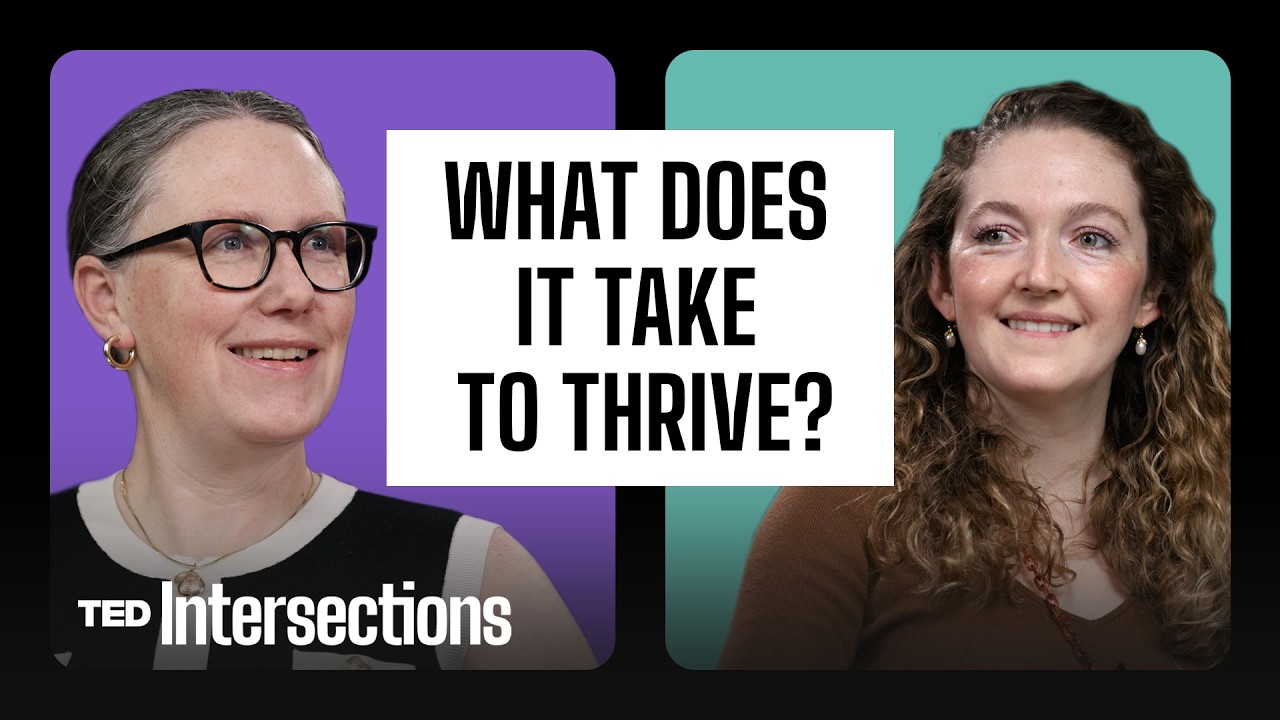
How to Live a Good Life — on Earth and in Space | TED Intersections
Philosopher Meghan Sullivan and space architect Ariel Ekblaw don’t usually work at the same altitude … but put them in a room together, and they’ll answer the big questions. Drawing on wisdom from Aristotle to astronauts, they discuss what humans inherently owe each other, what it takes to live a good life and what a…
People & Blogs
We’ve Solved Many Medical Mysteries. Where Are the Cures? | Saloni Dattani | TED
Science communicator Saloni Dattani traces the quiet revolution of medical innovation that has slashed death rates from conditions like heart disease and malaria — and reveals the broken incentives that have delayed other lifesaving treatments for decades. “Diseases are not a fact of life,” she says. “They’re problems that we can solve.” (Recorded at TED2026…


The key to a K-pop hit? Vocal fry and fruit innuendos #TEDTalks

Anthropic’s Compute Bet, Musk on AI, Apple’s New CEO | Bloomberg Tech 9/01/2026

Apple’s 2,300% Rally Under Tim Cook
-
 Science & Technology6 years ago
Nitya Subramanian: Products and Protocol
-
 People & Blogs5 years ago
Sleep Expert Answers Questions From Twitter ???? | Tech Support | WIRED
-
 CNET6 years ago
Ways you can help Black Lives Matter movement (links, orgs, and more) ????????
-
 Wired7 years ago
How This Guy Became a World Champion Boomerang Thrower | WIRED
-
 Wired7 years ago
Neuroscientist Explains ASMR’s Effects on the Brain & The Body | WIRED
-
 Wired7 years ago
Why It’s Almost Impossible to Solve a Rubik’s Cube in Under 3 Seconds | WIRED
-
 Wired7 years ago
Former FBI Agent Explains How to Read Body Language | Tradecraft | WIRED
-

 CNET7 years ago
Surface Pro 7 review: Hello, old friend ????
@JeremyLMarquez
November 4, 2025 at 6:01 pm
🎉 4 years alcohol free ty for this TED
@urbanwolfep7195
November 5, 2025 at 9:29 am
Congratulations!
@SonjaMorrison-i7j
November 4, 2025 at 6:01 pm
She is not a particularly good artist, as far as I can tell.
@AlphasAlibi
November 4, 2025 at 6:08 pm
Doubt you can do anything close, let alone better, goofy
@SunShap
November 4, 2025 at 6:21 pm
Art is subjective, and differences in style aren’t what make art good or bad. If you didn’t like the art style, you could’ve just clicked off instead of going out of your way to make someone else’s day worse.
Have a nice day!
@MadAboutBrows
November 4, 2025 at 8:05 pm
And you’re not a particularly good person from what I can tell ❌
@MadisonLa369
November 4, 2025 at 8:16 pm
Yeah, it’s rudimentary and juvenile but it shares deeply human experiences and that’s what is at the core of art. People may find it much more approachable to engage with some negative or neutral truths in a fun and unserious way. It’s actually quite effective in that sense.
@bodyofhope
November 5, 2025 at 4:35 am
I think it’s more of a way to share her writing. It’s not meant to be classical art.
@Karenhoopsspithearthrag1975
November 4, 2025 at 6:07 pm
The encouragement I find here always helps me face challenges with renewed strength and optimism 🍩☕
@RefurbishedPrototype
November 4, 2025 at 6:37 pm
Quit drinking 10 years ago. Started smoking scorpions and I’ve never looked back.
@jeanweltmann6658
November 5, 2025 at 10:34 am
started what, sorry?
@TheDarkPacific
November 5, 2025 at 11:38 am
What kind of scorpions? Asking for a friend
@urbanwolfep7195
November 5, 2025 at 9:29 am
Cool woman
@morganjacoby5873
November 5, 2025 at 10:01 am
Someone said that we become a stereotype of ourselves. We do what we do because we always have.