
FPV’s Chan: We Never, Ever Invested Into the AI Hype
FPV Ventures Co-Founder and Managing Partner Wesley Chan joins Caroline Hyde and Ed Ludlow to discuss its $450 million fund focused on investing in mission-driven founders, as well as investing opportunities and the hype around generative AI. ——– Like this video? Subscribe to Bloomberg Technology on YouTube: Watch the latest full episodes of “Bloomberg Technology” with…

People & Blogs
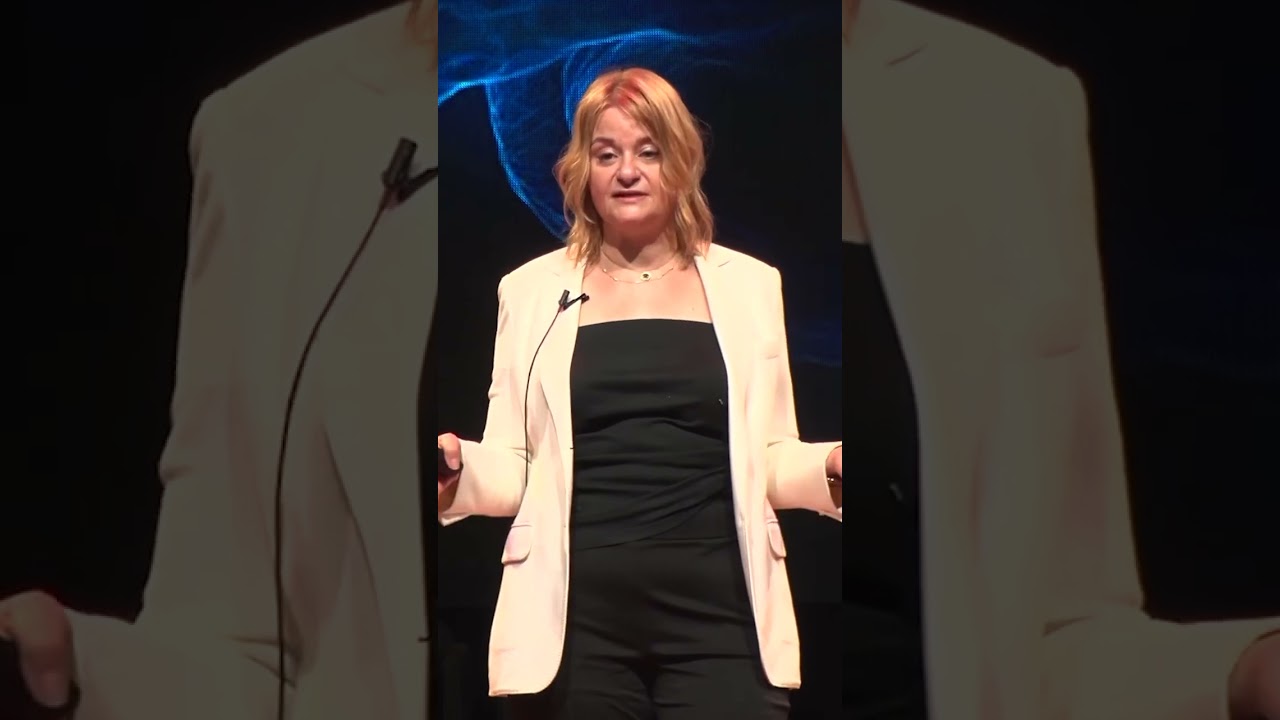
This new way of treating depression starts with rewiring the brain #TEDTalks
The idea that depression comes from a chemical imbalance in the brain has shaped treatment for decades. Neuroscientist Lisa Monteggia shares research suggesting that’s not the whole story — and shows how a decades-old drug could upend what we thought we knew about depression, with the potential to offer relief within hours.
People & Blogs
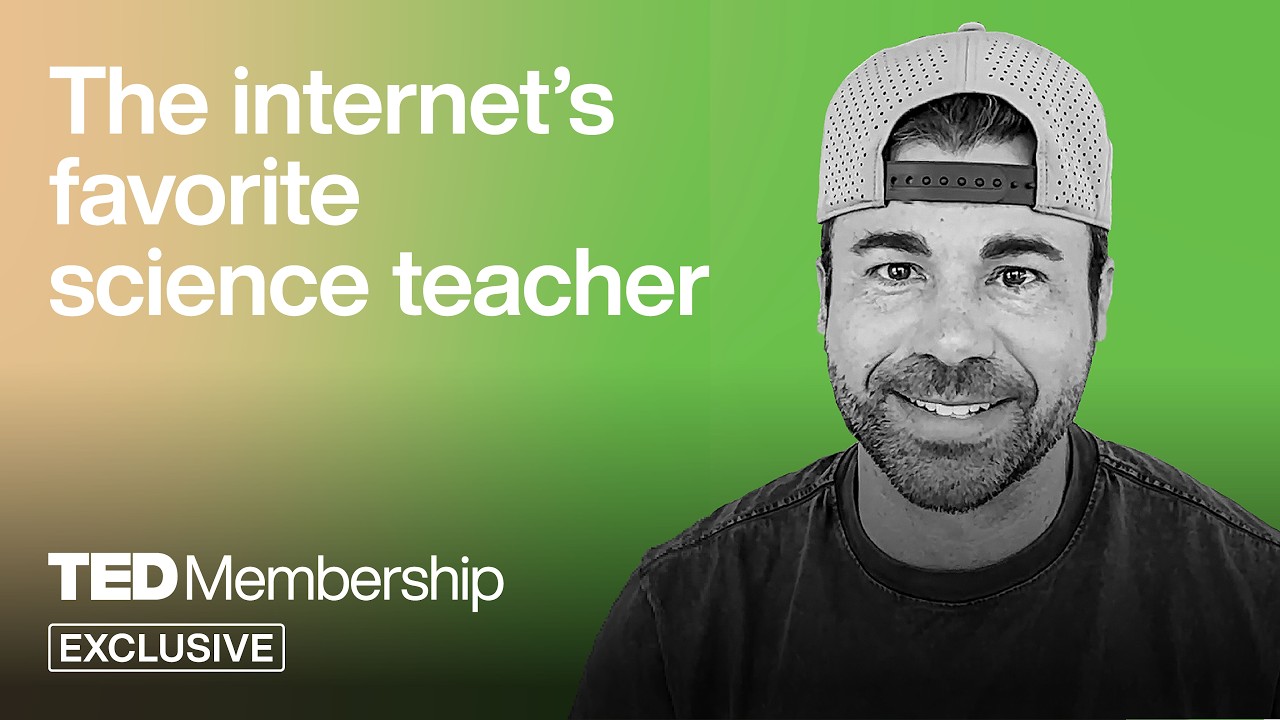
How to Make Learning Impossibly Fun | Mark Rober | TED
What if science class felt less like studying out of a textbook and more like an unforgettable field trip? From viral glitter-bomb traps to backyard engineering marvels, former-NASA-engineer-turned-YouTuber Mark Rober has spent years proving that curiosity is contagious — and that the best way to teach science is to make it impossibly fun. In conversation…
CNET
What if We Shot Satellites Into Space With a Giant Gun?
The world’s largest gun belongs to Longshot Space, which plans to go even bigger in the hopes of harnessing its technology to shoot satellites into space instead of using rockets. Read more about Longshot Space on CNET.com: World’s Largest Gun Aims to Shoot Satellites Into Space Timecode Chapters: 0:00 The Problem With Rocket Launches 0:38…



This new way of treating depression starts with rewiring the brain #TEDTalks

How to Make Learning Impossibly Fun | Mark Rober | TED

What if We Shot Satellites Into Space With a Giant Gun?
-

 Science & Technology6 years ago
Nitya Subramanian: Products and Protocol
-

 People & Blogs5 years ago
Sleep Expert Answers Questions From Twitter ???? | Tech Support | WIRED
-

 CNET6 years ago
Ways you can help Black Lives Matter movement (links, orgs, and more) ????????
-
 Wired7 years ago
How This Guy Became a World Champion Boomerang Thrower | WIRED
-

 Wired7 years ago
Neuroscientist Explains ASMR’s Effects on the Brain & The Body | WIRED
-

 Wired7 years ago
Why It’s Almost Impossible to Solve a Rubik’s Cube in Under 3 Seconds | WIRED
-

 Wired7 years ago
Former FBI Agent Explains How to Read Body Language | Tradecraft | WIRED
-

 CNET7 years ago
Surface Pro 7 review: Hello, old friend ????
C.V. V
June 9, 2023 at 6:46 pm
so there are smart investors like this guy still out there
Thomas Swedmore
June 9, 2023 at 11:21 pm
when you try to look at everyone at the same time and end up looking at nobody.
Religion Is for low IQ people
June 10, 2023 at 8:45 am
Smart guy
rodney Pantony
June 10, 2023 at 1:06 pm
Proteins ARE robots and DeepMind/Alphafold enables humanity to harness about 200,000,000 nano robots. This adds trillions to global economy. One billion Ph.D. protein science years, or one million Ph.D. protein science candidates producing 10,000 protein science papers annually, can now translate the science to clinical and commercial applications. Previously protein Ph.D. students spent 5 years of drudgery and obscurity to solve one protein, now they can match nanorobots to practical application. Ditto other AI breakthroughs, producing more work, prosperity.
It’d be nice to revisit the documentary The Symphony of the Soil and identify all species of soil microbes, 1,000s, 1,000,000s, 1,000,000,000s, etc and all past Planet Earth environments, just in case…
Note that simply by switching your model of the world, you bring about great effects. ( PS I have satisfied myself that atoms are elemental quantum computers.)
Action Required: Compute, verify or rebut that Proteins are Nanorobots which will add trillions to Global .
Audi alteram partem from ChatGPT…( What ChatGPT misses is that proteins are dynamic, much like robots, or that proteins are like tradesmen and women on a construction site)
ChatGPT
While proteins and nanorobots are fundamentally different in their composition and origin, there are a few similarities between them:
Functionality: Both proteins and nanorobots can be designed or evolved to perform specific functions. Proteins have diverse functions within living organisms, such as enzymatic catalysis, molecular transport, and signaling. Similarly, nanorobots are engineered to perform specific tasks, such as targeted drug delivery, sensing, or manipulation of biological systems.
Structural Complexity: Both proteins and nanorobots can possess intricate structures. Proteins fold into complex three-dimensional shapes determined by their amino acid sequence, allowing them to carry out their specific functions. Similarly, nanorobots can be designed with intricate architectures and nanoscale components to achieve precise functionality.
Manipulation and Interaction: Both proteins and nanorobots can interact with other molecules or entities in their environment. Proteins can bind to specific molecules, such as substrates or ligands, and undergo conformational changes to perform their functions. Nanorobots can also be designed to interact with specific targets, whether through molecular recognition, surface interactions, or other mechanisms.
Application Potential: Both proteins and nanorobots have potential applications in various fields. Proteins are extensively studied and utilized in biotechnology, medicine, and other areas for their functional properties. Nanorobots, although still in the early stages of development, hold promise for applications in fields like medicine, nanoscale manufacturing, and environmental sensing.
It’s important to note that these similarities should not overshadow the fundamental differences between proteins and nanorobots, as proteins are natural biological molecules while nanorobots are man-made devices.
Chloné
June 11, 2023 at 10:23 am
the term AI itself is so broad. Most companies are doing conditioning and filtering
Ish Mail
June 12, 2023 at 2:27 am
GBT Technologies is about to skyrocket.