
Crypto Industry Ready to Close the FTX Chapter, Says Fractal Co-CEO
Fractal co-founder and co-CEO Aya Kantorovich joins to discuss the state of the crypto industry after the FTX fallout a year ago, why she believes the underlying tech is here to stay, and how risk appetite is far higher in Asia than the US today given regulatory overhang. She joins Caroline Hyde and Ed Ludlow…

Science & Technology
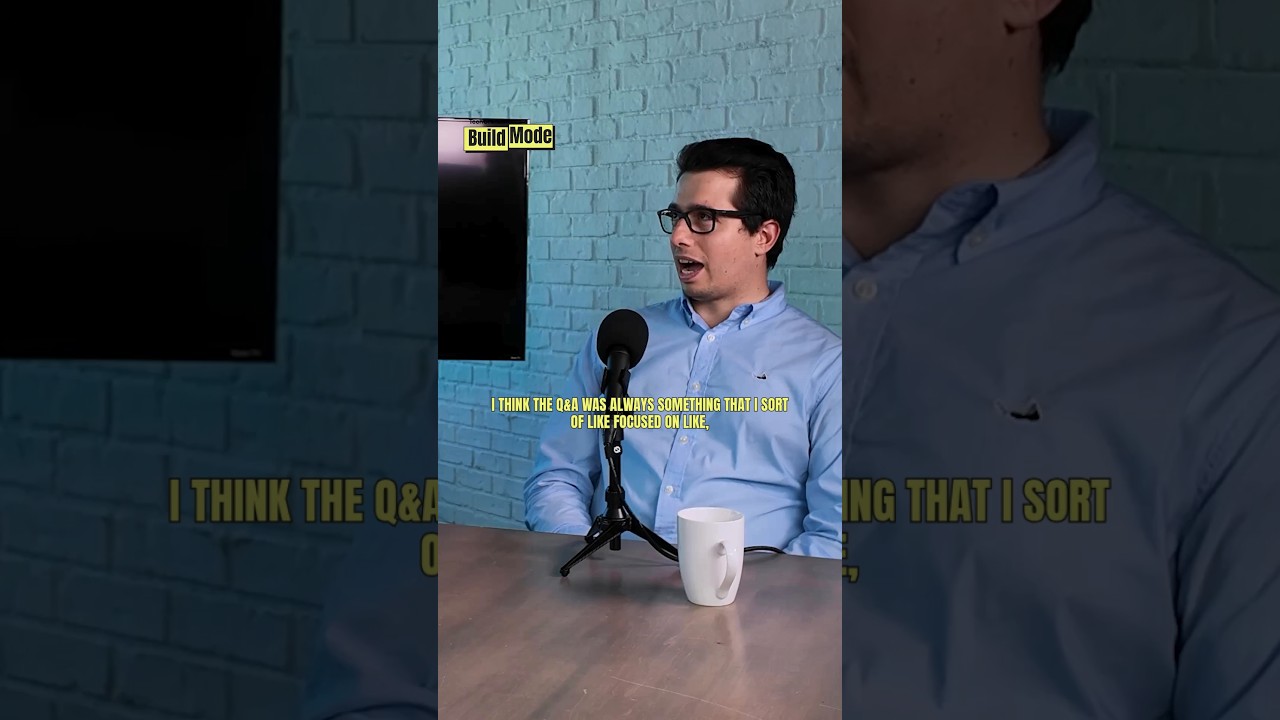
Your Q&A Can’t Save a Bad Pitch
Demetri Maxim thought the Q&A was where he could really win investors over. Then he realized: if you lose them during the pitch, they may never ask the questions that let you shine. Hear what Demetri learned from pitching Nephrogen at Startup Battlefield on the latest Build Mode with Dr. Eike Gerhardt.
Science & Technology
John Ternus Takes Over Apple
Tim Cook had the unenviable job of following Steve Jobs. Now John Ternus has to follow Cook, and he’s taking over an Apple that looks very different from the one Cook inherited. Equity asks what Ternus’ product background could mean for Apple, and how he’ll balance hardware, services, and the company’s push into AI.

People & Blogs
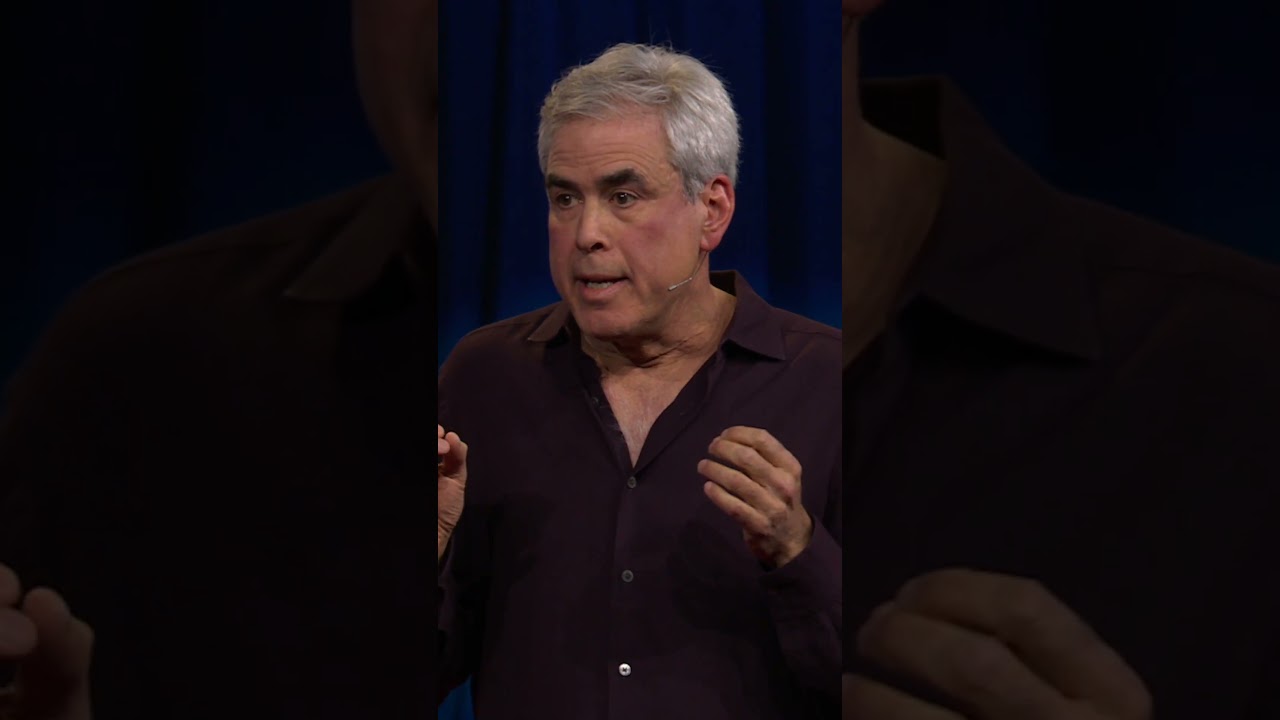
Humans are wired for deep connection. So what happens when devices disrupt that? #TEDTalks
Humans aren’t just social — we’re ultrasocial, wired like bees and ants for deep connection. So what happens when smartphones take over childhood, tablets replace textbooks and AI companies infiltrate our kids’ lives? Social psychologist Jonathan Haidt lays out three principles of technoskepticism — and explains why, two years after sounding the alarm in “The…


Your Q&A Can’t Save a Bad Pitch

John Ternus Takes Over Apple

Humans are wired for deep connection. So what happens when devices disrupt that? #TEDTalks
-

 Science & Technology6 years ago
Nitya Subramanian: Products and Protocol
-

 People & Blogs5 years ago
Sleep Expert Answers Questions From Twitter ???? | Tech Support | WIRED
-
 CNET6 years ago
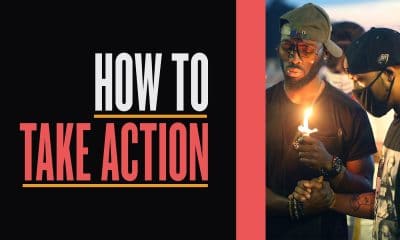
Ways you can help Black Lives Matter movement (links, orgs, and more) ????????
-
 Wired7 years ago
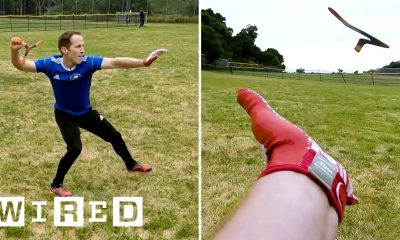
How This Guy Became a World Champion Boomerang Thrower | WIRED
-

 Wired7 years ago
Neuroscientist Explains ASMR’s Effects on the Brain & The Body | WIRED
-

 Wired7 years ago
Why It’s Almost Impossible to Solve a Rubik’s Cube in Under 3 Seconds | WIRED
-
 Wired7 years ago
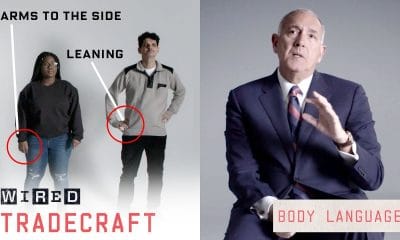
Former FBI Agent Explains How to Read Body Language | Tradecraft | WIRED
-

 CNET7 years ago
Surface Pro 7 review: Hello, old friend ????
shoopddawhooped
September 29, 2023 at 6:14 pm
Hardly, I Bet Bloomberg didn’t know about the Bankman – to – Epstein connection !
Terry Pasca
September 29, 2023 at 6:21 pm
This is my fifth year after retirement. I’ve been following the 4% rule thing, but this isn’t really how hard I expected things to be. I still have about $460k outside funds in my IRA to invest in stocks. Pls how do I take advantage of the market turnaround?
Kennedy Emmauel
September 29, 2023 at 6:24 pm
I’m happy to see ALEX L ORLOFF mentioned, he is recognized worldwide, my neighbor recommended him to me after investing £45000 and he has been a blessing to us.
Jazil Zaim
September 29, 2023 at 6:31 pm
Great video! Thanks for sharing!