Connect with us

TechCrunch

Alcide provides security for Kubernetes

Alcide is a code to production security company for workloads running on Kubernetes. The TC Top Picks program showcases outstanding early-stage startups across these categories: AI/Machine Learning, Biotech/Healthtech, Blockchain, Fintech, Mobility, Privacy/Security, Retail/E-commerce, Robotics/IoT/Hardware, SaaS and Social Impact & Education. TechCrunch is a leading technology media property, dedicated to obsessively profiling startups, reviewing new Internet…


Published

on

Alcide is a code to production security company for workloads running on Kubernetes.

The TC Top Picks program showcases outstanding early-stage startups across these categories: AI/Machine Learning, Biotech/Healthtech, Blockchain, Fintech, Mobility, Privacy/Security, Retail/E-commerce, Robotics/IoT/Hardware, SaaS and Social Impact & Education.

TechCrunch is a leading technology media property, dedicated to obsessively profiling startups, reviewing new Internet products, and breaking tech news.

Continue Reading
Advertisement
Click to comment

Leave a Reply

Your email address will not be published. Required fields are marked *

Science & Technology

What Meta’s Settlements Means for TikTok and Youtube

Meta’s $18 billion settlement could have consequences far beyond Meta. Equity’s Kirsten Korosec and Sean O’Kane break down how the deal could put pressure on YouTube, TikTok, and other platforms to play by similar rules and whether they’ll actually follow Meta’s lead. Listen to the latest episode of Equity wherever you get your podcasts.

Published

on

Meta’s $18 billion settlement could have consequences far beyond Meta.

Equity’s Kirsten Korosec and Sean O’Kane break down how the deal could put pressure on YouTube, TikTok, and other platforms to play by similar rules and whether they’ll actually follow Meta’s lead.

Listen to the latest episode of Equity wherever you get your podcasts.

Continue Reading

Science & Technology

Why Nvidia is Ready to Pay $13B for Hugging Face l Equity

Earlier this week, Meta agreed to pay $18 billion and make sweeping changes to how minors access its social networks to settle a lawsuit brought by 29 states. But the eye-popping settlement figure wasn’t what caught the attention of the Equity podcast team. Instead, it was what Meta did next. The social media giant sent…

Published

on

Earlier this week, Meta agreed to pay $18 billion and make sweeping changes to how minors access its social networks to settle a lawsuit brought by 29 states. But the eye-popping settlement figure wasn’t what caught the attention of the Equity podcast team. Instead, it was what Meta did next. The social media giant sent an open letter to TikTok and YouTube asking the companies to join it in setting industry-wide standards for teens, including daily time limits, blocking access to apps at night, and restricting notifications during school hours.

But will these other companies follow? The Equity team doesn’t think they will.

On this episode of TechCrunch’s Equity podcast, Rebecca Bellan, Kirsten Korosec, and Sean O’Kane dig into the Meta settlement, rising investor interest in robotics startups, and the reported Nvidia and Hugging Face deal that’s in the works.

Subscribe to Equity on YouTube, Apple Podcasts, Overcast, Spotify and wherever you get your podcasts. You also can follow Equity on X and Threads, at @EquityPod.

Chapters:
00:00 — Meta’s $18B Teen Safety Settlement
03:39 — Will Meta’s New Rules Actually Protect Teens?
08:55 — The Problem With Age Verification
11:11 — Robots Are Chasing Their ChatGPT Moment
16:22 — The Race to Build Smarter Robot Brains
19:34 — What Happens When Robots Work Alongside Humans?
21:41 — Waymo and Zoox Test Drivers Are Getting Hurt
23:38 — Gatik Raises $200M for Driverless Trucks
26:38 — Could Nvidia Buy Hugging Face for $13B?
29:18 — Why AI Infrastructure Is Becoming an Acquisition Target

Continue Reading

Science & Technology

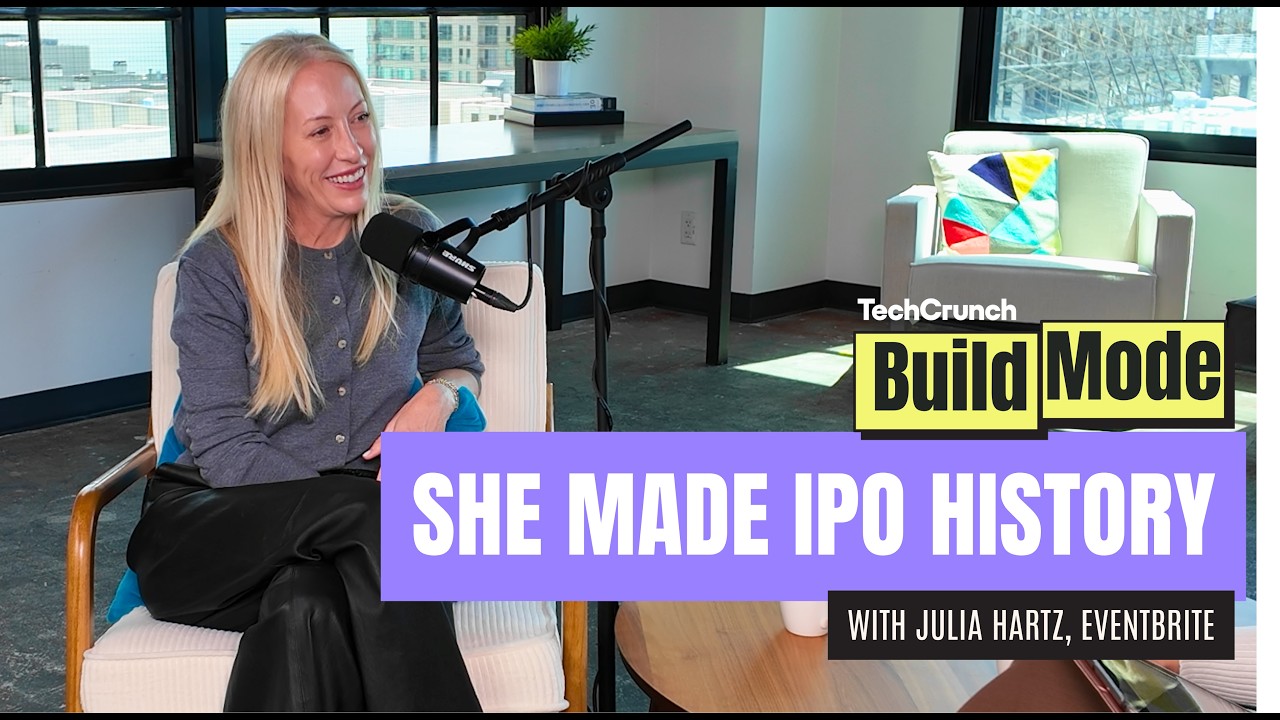
How a Crisis Turned Julia Hartz Into the CEO Eventbrite Needed l Build Mode

Eventbrite has survived nearly every kind of challenge a startup can face: launching into a financial crisis, raising venture capital after 27 rejections, going public, watching its core business disappear during COVID, and eventually leaving the public markets after nearly two decades of building. In this episode of Build Mode, host Isabelle Johannesen sits down…
Published

on

Eventbrite has survived nearly every kind of challenge a startup can face: launching into a financial crisis, raising venture capital after 27 rejections, going public, watching its core business disappear during COVID, and eventually leaving the public markets after nearly two decades of building.

In this episode of Build Mode, host Isabelle Johannesen sits down with Julia Hartz, co-founder and former CEO of Eventbrite, to unpack the decisions that helped the company weather those highs and lows. When Eventbrite went public in 2018, Julia became just the 21st woman founder-CEO to lead her company through an IPO and the second-youngest woman to do so (milestones she remembers as both an achievement and a stark reminder of how few women had reached that point).

But getting to the IPO, and navigating what came afterward, was anything but straightforward. Julia explains what it was like to take over as CEO from her husband and co-founder Kevin Hartz, why she initially questioned whether she was ready for the job, and how leading through the pandemic forced her to find her own leadership style. She also looks back on Eventbrite’s unusual fundraising journey, from bootstrapping the company for its first two-and-a-half years to the success during the 2008 financial crisis that ultimately landed them Sequoia as a lead investor.

Julia reflects on the realities of running a public company, balancing investor expectations against the needs of customers, the mistakes that took years to repair, and the painful decision to take Eventbrite private following its acquisition by Bending Spoons. Through it all, she shares what nearly 20 years of building Eventbrite taught her about resilience, leadership, reinvention, and making hard decisions when there is no obvious playbook.

Chapters:
00:00 – Julia Hartz on Leading Eventbrite Through the Hardest Moments
01:27 – From MTV and Jackass to Founding Eventbrite
03:27 – How Julia and Kevin Hartz Started Eventbrite
08:49 – Why Live Events Survived Every Technology Shift
11:03 – Taking Over as CEO From Her Husband
13:38 – Leading Eventbrite Through the COVID Crisis
17:19 – Eventbrite’s Fundraising Journey
17:57 – 27 VC Rejections During the 2008 Financial Crisis
22:16 – How to Re-Pitch an Investor After They Say No
24:42 – Building a Company With Your Spouse
26:58 – Taking Eventbrite Public
27:11 – Making History as a Woman Founder-CEO
31:17 – What No One Tells You About Running a Public Company
32:40 – From a $1.67B IPO to Going Private
36:08 – Why Eventbrite Left the Public Markets
38:48 – Customers vs. Shareholders: Who Should a CEO Listen To?
41:11 – How Founders Should Think About Competition
45:07 – Julia Hartz’s Biggest Marketplace and Leadership Mistakes
49:30 – The Leadership Lesson Julia Learned in Her Final Months as CEO
53:13 – What Comes After 20 Years of Building Eventbrite

Hosted by Isabelle Johannesen. Produced and edited by Maggie Nye. Audience development led by Morgan Little. Special thanks to the Foundry and Cheddar video teams.

Subscribe to Build Mode:
Apple Podcasts
Spotify
Wherever you like to listen
New episodes of Build Mode drop every Thursday.

Continue Reading

Trending