
People & Blogs
AI may one day help us eavesdrop on some turtle talk #TEDTalks
What if we could hear nature’s ultrasonic communication — and talk back? From a bat’s shrill speech to a peacock’s infrasound mating call, conservation technology researcher Karen Bakker takes us through a sound bath of animal noises that are far outside humanity’s range of hearing, demonstrating how artificial intelligence has translated the incredible complexity of…











People & Blogs
The key to a K-pop hit? Vocal fry and fruit innuendos #TEDTalks
Want to become a K-pop superstar? Comedian and musician Charlene Kaye lays out the formula for breaking through in just a few easy steps, from rapping like a sexy baby to dancing like you’re making pizza in the Matrix. Part musical, part dance performance, part comedy show — this is your how-to guide for creating…

People & Blogs
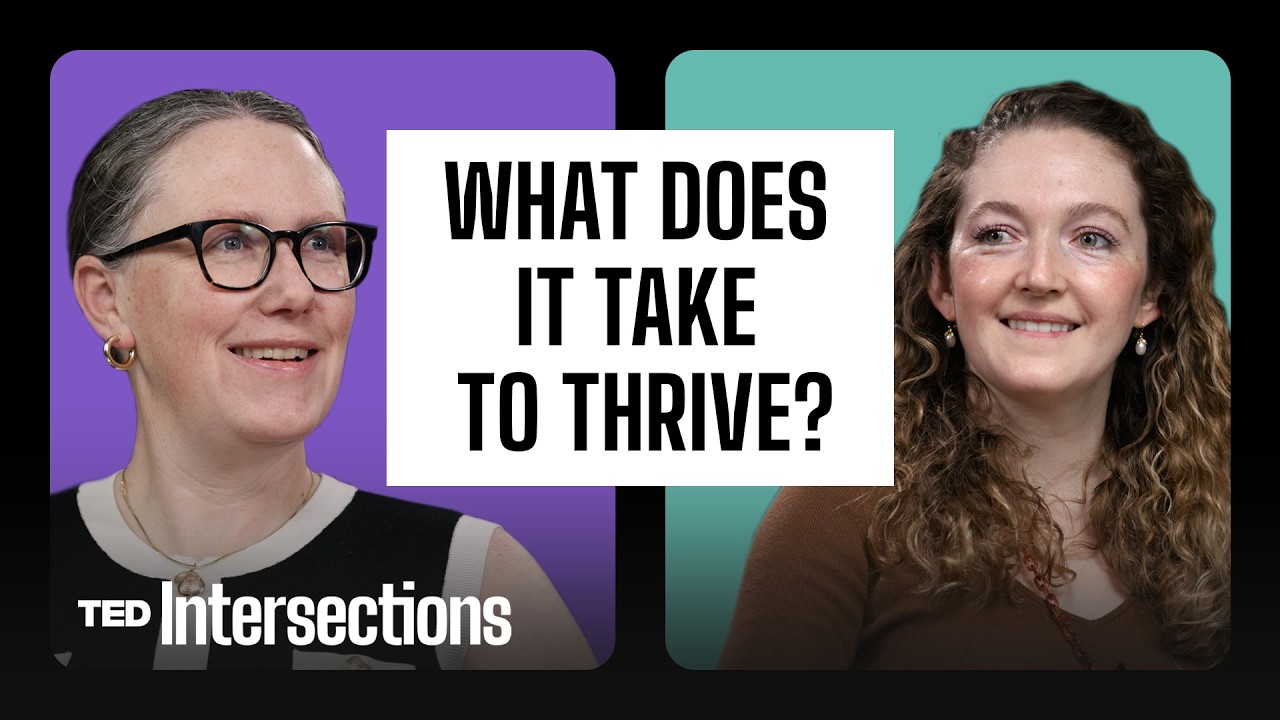
How to Live a Good Life — on Earth and in Space | TED Intersections
Philosopher Meghan Sullivan and space architect Ariel Ekblaw don’t usually work at the same altitude … but put them in a room together, and they’ll answer the big questions. Drawing on wisdom from Aristotle to astronauts, they discuss what humans inherently owe each other, what it takes to live a good life and what a…
People & Blogs
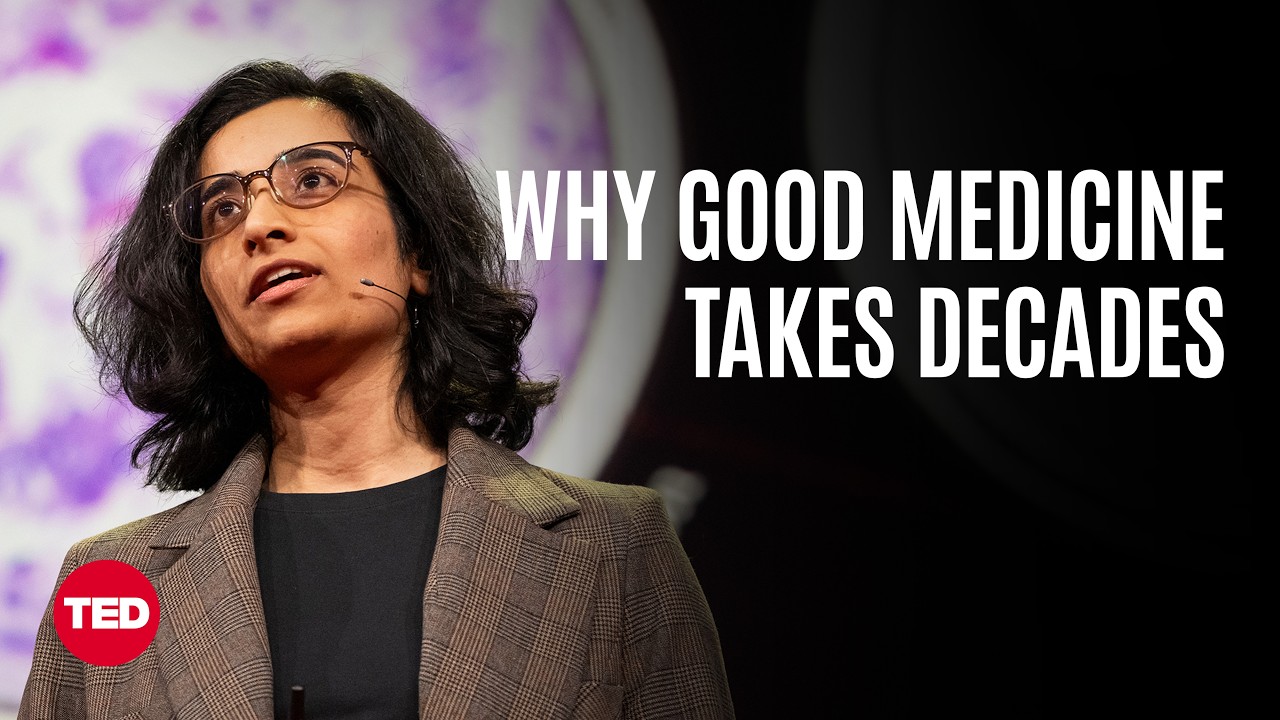
We’ve Solved Many Medical Mysteries. Where Are the Cures? | Saloni Dattani | TED
Science communicator Saloni Dattani traces the quiet revolution of medical innovation that has slashed death rates from conditions like heart disease and malaria — and reveals the broken incentives that have delayed other lifesaving treatments for decades. “Diseases are not a fact of life,” she says. “They’re problems that we can solve.” (Recorded at TED2026…


Can $5000 Worth of Tech Make You Better at Tennis? | STAT

Nvidia Nears $14 Billion Hugging Face Deal | Bloomberg Tech 09/02/2026

Nvidia In Advanced Talks for Hugging Face
-

 Science & Technology6 years ago
Nitya Subramanian: Products and Protocol
-

 People & Blogs5 years ago
Sleep Expert Answers Questions From Twitter ???? | Tech Support | WIRED
-

 CNET6 years ago
Ways you can help Black Lives Matter movement (links, orgs, and more) ????????
-
 Wired7 years ago
How This Guy Became a World Champion Boomerang Thrower | WIRED
-

 Wired7 years ago
Neuroscientist Explains ASMR’s Effects on the Brain & The Body | WIRED
-
 Wired7 years ago
Why It’s Almost Impossible to Solve a Rubik’s Cube in Under 3 Seconds | WIRED
-

 Wired7 years ago
Former FBI Agent Explains How to Read Body Language | Tradecraft | WIRED
-

 CNET7 years ago
Surface Pro 7 review: Hello, old friend ????
@irfanazameer6436
August 27, 2025 at 12:05 pm
Okay i thought this wasn’t that true and giggled as soon as I saw the cap in notification 😂
@DucLeLe-b1m
August 27, 2025 at 12:19 pm
not the content i searched for, but the content i needed 💖😘
@C-130-Hercules
August 27, 2025 at 12:56 pm
🏌🏻♂️
⚪️
🐳 😮
IS ANYONE HERE A MARINE BIOLOGIST??
@RamseyRimkeit
August 27, 2025 at 3:44 pm
Now study the screams coming from slaughter houses and what they’re communicating?
Don’t really need AI for that but we’d rather ignore it.
@westrim
August 27, 2025 at 11:51 pm
Animals get slaughtered as they enter the slaughterhouse. That’s kind of the point. There’s not much time between arrival and lights out.
@KrishnaChandel-l8r
August 27, 2025 at 4:22 pm
Day one : AI protects 😅
One day : Who knows 😢
@LenaLens143
August 27, 2025 at 4:35 pm
♡
@ereman6
August 27, 2025 at 8:26 pm
We don’t miss it because we don’t believe it exists, we miss it because we can’t perceive it. Two entirely different things.
@StygianNightmare
August 28, 2025 at 2:50 am
Yeah i dont like this concept that we are ALL that self centered. Can you really blame anyone for not knowing something exists if they lack the sensory organs to detect infrared light or frequencies so loud or so low that we literally couldn’t hear it if we wanted to?
@PrettyWittyMe
August 29, 2025 at 5:16 pm
Same difference. If you can’t perceive it, that’s because you don’t believe it exists.
@Gracez00000
August 29, 2025 at 11:57 pm
Yeah, but most of the scientific world believed for a very long time only a few speices of earth communciated in any way like humans. It was a stretch to say even birds communicated in a sophisticated way, as to sterotypically degrading a left-wing, young adult’s progressive ideals. That’s probably what she’s refering to; not just an individual failure, but the greater angust that was against animal communication at all.
@cyro420
August 27, 2025 at 9:36 pm
I too follow the call of the cooter # nature is crazy
@Jesse-gr2xo
August 27, 2025 at 11:34 pm
That’s a good reason to have $ wasting, corporate-bloating, potentially harmful AI. All we need is sensitive sound equipment to pick up sounds we can’t hear. And this woman is so pretentious. We already know about the individual whale songs and how they are passed down to generations. We did that without ai.
@atamani725
August 28, 2025 at 12:00 am
if science can record animal sounds like this, then science can also record sounds of ‘fetus’ in the womb…esp their cries when being aborted in their mums wombs…
@PrettyWittyMe
August 29, 2025 at 5:18 pm
Way to kill the beauty of this video. Exactly what we all needed to hear in this moment. Thank you.😑
@glensolomon
August 28, 2025 at 3:54 pm
Cannot perceive, does not exist. Then there’s progenitors of pseudoscience that parade and trumpet a spectacular tune convinced they’re popularizing actual science then get weird when confronted directly with conflicting evidence in their own discipline, the science that is, by design, overlooked and rightfully so. The weird part is that conflicting evidence based on their own method the originator clings to for existential purposes and to those persons: Figure it out!