
3D-Printing Heart Tissue With Human Stem Cells
Scientists at Stanford University have developed a method for 3D-printing human heart tissue that could eventually be implanted into patients. 0:00 Intro 0:45 How scientists are 3D Printing heart parts 1:25 Bioprinting process 2:45 Bio-printed heart valve 3:44 Outro Read the CNET article Stanford Scientists Use Stem Cells to 3D-Print Heart Tissue Subscribe to CNET:…

Bloomberg Technology
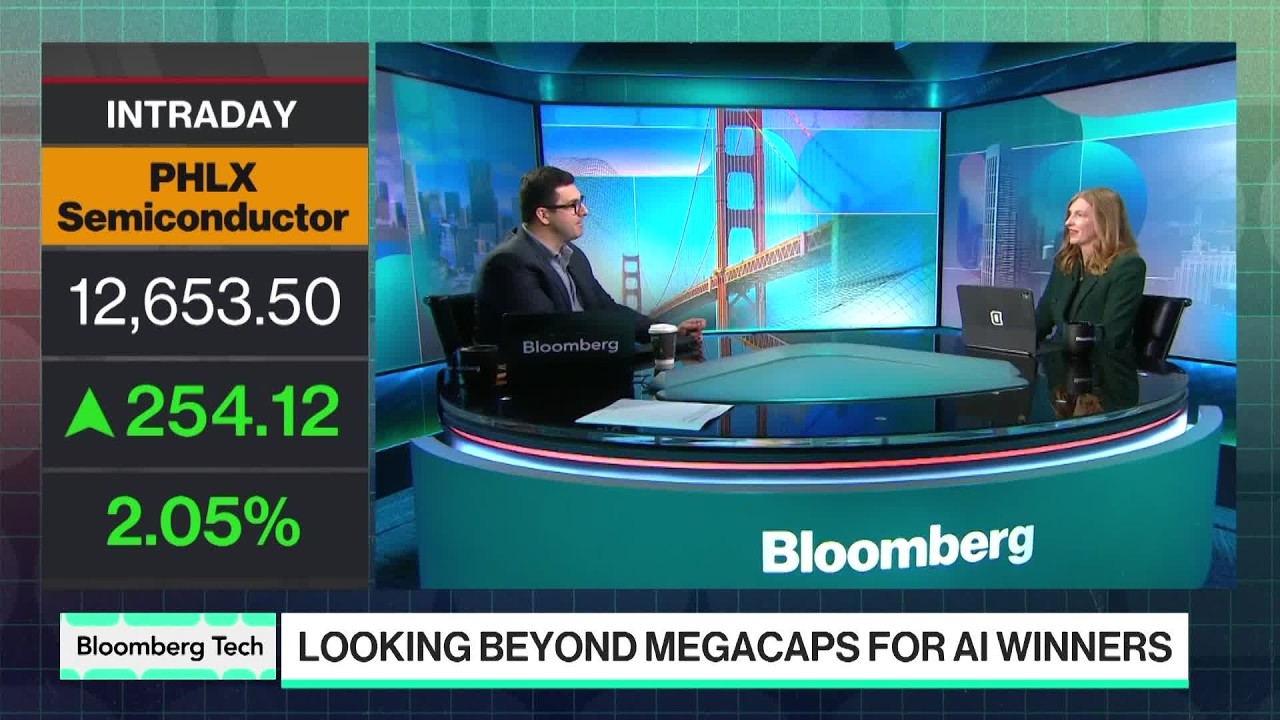
Exploring AI Investment Opportunities Beyond Mega-Cap Tech Giants
Lori Keith, Parnassus Investments portfolio manager and senior analyst, says megacaps are not the only way to play the AI boom. She shares where she sees opportunities in mid-caps — from the companies powering the buildout to those using AI to boost productivity. She joins Ed Ludlow on “Bloomberg Tech.” ——– Like this video? Subscribe…
People & Blogs
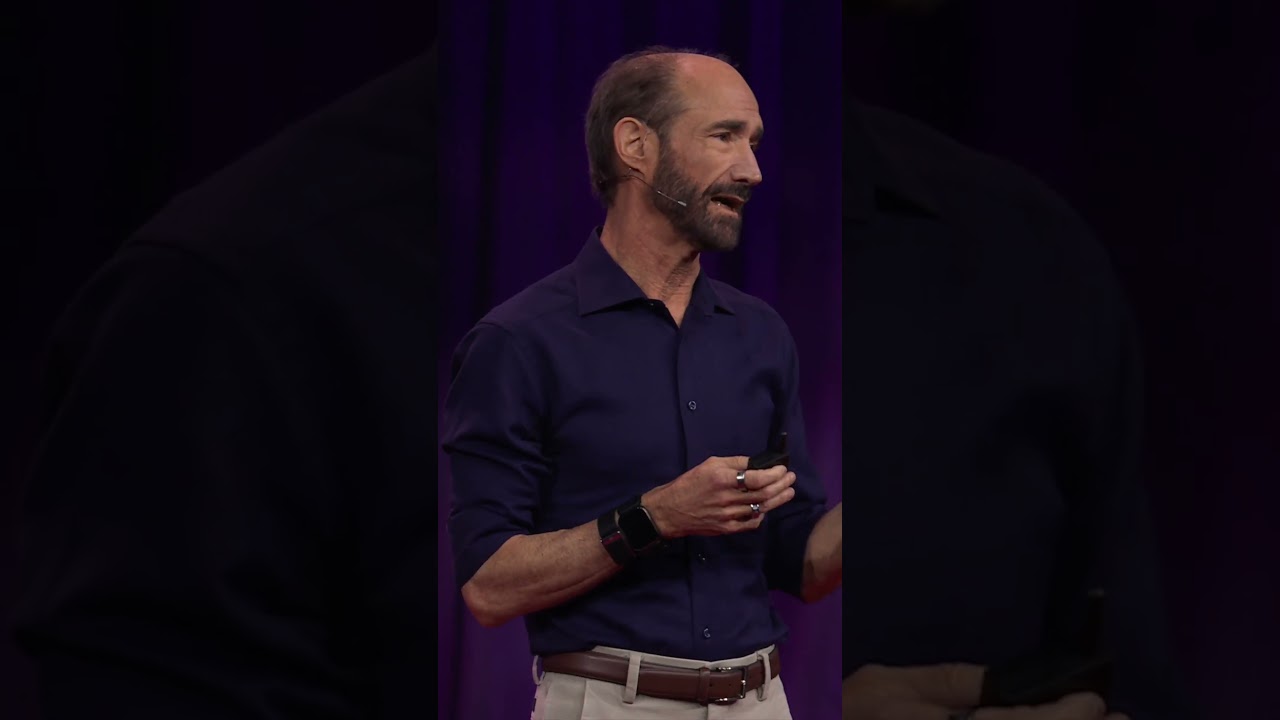
Your watch might be your new doctor’s assistant #TEDTalks
Genome researcher Michael Snyder believes health wearables, such as smart watches and glucose monitors, can transform medicine, shifting from reactive to predictive. (In fact, he’s such a big fan of these devices that he wears eight of them every single day.) From spotting an illness days before symptoms appear to helping prevent the onset of…
Science & Technology
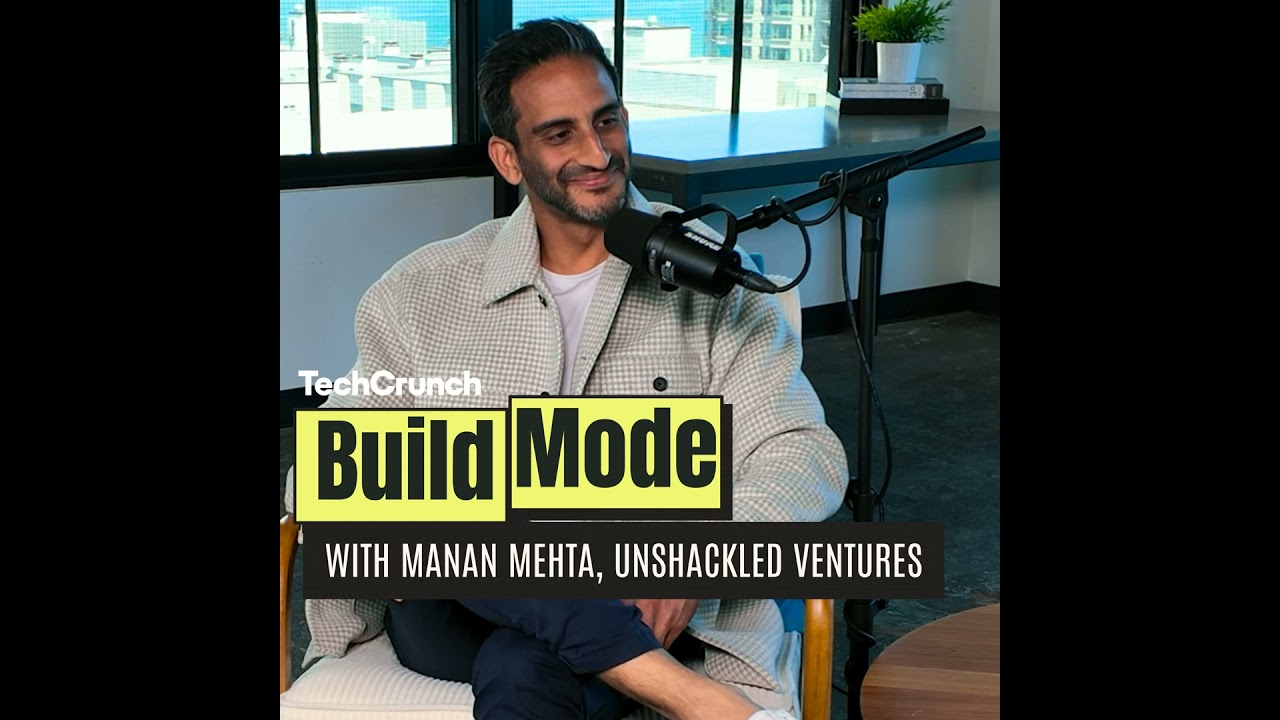
The VC Backing the American Dream with Manan Mehta, Unshackled Ventures
Immigrant founders have built some of the world’s most valuable companies, but many still face barriers that make it harder to get a startup off the ground. Visa restrictions, limited access to friends-and-family capital, shallow networks, and a venture industry built around pattern matching can keep promising founders from getting funded before they have a…


Exploring AI Investment Opportunities Beyond Mega-Cap Tech Giants

Your watch might be your new doctor’s assistant #TEDTalks

The VC Backing the American Dream with Manan Mehta, Unshackled Ventures
-

 Science & Technology6 years ago
Nitya Subramanian: Products and Protocol
-
 People & Blogs4 years ago
Sleep Expert Answers Questions From Twitter ???? | Tech Support | WIRED
-

 CNET6 years ago
Ways you can help Black Lives Matter movement (links, orgs, and more) ????????
-
 Wired7 years ago
How This Guy Became a World Champion Boomerang Thrower | WIRED
-

 Wired7 years ago
Neuroscientist Explains ASMR’s Effects on the Brain & The Body | WIRED
-

 Wired7 years ago
Why It’s Almost Impossible to Solve a Rubik’s Cube in Under 3 Seconds | WIRED
-
 Wired7 years ago
Former FBI Agent Explains How to Read Body Language | Tradecraft | WIRED
-

 CNET7 years ago
Surface Pro 7 review: Hello, old friend ????
KillerTacos
April 30, 2023 at 9:07 am
Incredible
圣贤
April 30, 2023 at 9:45 am
我有个大胆的想法
John-Luke Pollock
April 30, 2023 at 9:48 am
This is why I support stem cell research
xybp942
May 2, 2023 at 1:01 am
It’s not even necessary to use stem cells from embryos
Most modern stem cell research uses adult stem cells
So anyone who is against stem cell research is truly stupid
Automotive Repair Tips and Tricks
May 2, 2023 at 8:24 pm
This is why I support 3-D printing
Keyser Söze
April 30, 2023 at 9:51 am
You know if they were to lift the restrictions on stem cell research you wouldn’t need organ donors anymore because you can grow compatible organs from stem cells. You could eradicate Alzheimer’s and Dementia with stem cells. so it’s okay to print a heart organ but not to allow someone to use enzymes and their DNA with stem cell research and grow a compatible lung or kidney or heart to save them. It’s because the organ donor conspiracy is a multi-billion Dollar business
Luke Rimmington
April 30, 2023 at 9:57 am
This is awesome! This development could also potentially contribute to the mass industrialization of laboratory grown meat, which could save millions of people from starvation! The only issue scientists need to figure out in that, is for instance the production of synthetic but natural FBS (fetal bovine serum) for cows as an example. This is great stuff!
Adventure of Cyborg
April 30, 2023 at 9:59 am
Nice
NONAME
April 30, 2023 at 10:04 am
Finally making some progress in general, hope with this new technology soon many critical malfunctions of the human body can be cured immidiatly
Canan
April 30, 2023 at 10:29 am
????
Sebastian Navarrete
April 30, 2023 at 10:31 am
YEY MORE CANCER
LaCreatura
April 30, 2023 at 11:00 pm
what
Cali In the Valley
April 30, 2023 at 10:57 am
????
PRTech
April 30, 2023 at 11:06 am
I wish this had been fully functional when my grandma needed it. ????
Looking forward to innovations in the future, and a time when transplants won’t require donors and lists. ❤
Scradley
April 30, 2023 at 11:38 am
Now this is something I wish I could get into. but now im 30 in debt and have nothing to show for it…
Callum McMac
April 30, 2023 at 3:07 pm
Sell NFTs. Study the most sold ones and create your own line. It has to be original though. If you’re really popular you can make $100,000 a month.
ItzEagleT
April 30, 2023 at 12:10 pm
Wow ????
Donald RockJr
April 30, 2023 at 12:42 pm
Phenomenal medical advancements!!!!! Great video!!!????????
Jesus Christ "JC" Denton (h+)
April 30, 2023 at 1:30 pm
“We are not only men of science: we are men of hope.”
— Dr. Jonas Venture
jigil jigil
April 30, 2023 at 2:28 pm
I like your videos on CNET, you take the time to go these labs/companies…, take some real footage of real people and their work instead of sitting in front of a camera and lecturing people as many do on Youtube, thanks, great video, and keep up the good work.
J. Lietka
April 30, 2023 at 3:15 pm
Can something like cartilage (for the knee) be printed?
Muddy Export
April 30, 2023 at 3:44 pm
Amazing.
GilsThyName
April 30, 2023 at 9:20 pm
This is why I support 3D printing
Alessandro C
May 1, 2023 at 9:09 am
This is great…but I could’ve gone the rest of my life never having to hear someone say “human mayonnaise.” ????
Ben Anaya
May 1, 2023 at 3:16 pm
As a kidney transplant patient I feel hopeful to 1 day being able to have my kidney. Without the side affects of medicine.
Transplant Helper
May 1, 2023 at 10:03 pm
I’m a heart transplant recipient and I’m always hopeful but the reality is this is not even close. The “doctor” in the video is not that smart. Several of the facts he presents about rejection are not right and it proves working in a laboratory is a long way from being a real transplant cardiologist. He just doesn’t have real world practical experience. I’d trust him to print me a phone case but his heart parts ain’t coming near me.
Suiside King
May 1, 2023 at 11:14 pm
Cyberpunk 2020
x13xMoNkeys
May 2, 2023 at 2:03 am
35 years ago they sent 10 USA citizens that couldn’t walk or talk and in wheel chairs to a facility in Europe . Put fetus stem cells in middle of their brain and all ten showed 50 % plus improvement with some even ended up riding a bike.
xybp942
May 2, 2023 at 5:45 am
The presenter must have misunderstood: this is not going to be used within the next 5 years because like anything that goes into humans it needs to undergo extensive safety testing – first in pre-clinical trials in animals (mice, pigs, etc) then in stage 1-4 clinical trials, and this can take 10 years or longer