Connect with us

Science & Technology

A Concrete Plan for Sustainable Cement | Ryan Gilliam | TED

Cement is one of the most-consumed materials on Earth — second only to water — and it accounts for a whopping eight percent of the world’s carbon pollution. What if we could turn this climate villain into a hero? Clean tech innovator and serial entrepreneur Ryan Gilliam reveals his company’s surprisingly simple process for transforming…


Published

on

Cement is one of the most-consumed materials on Earth — second only to water — and it accounts for a whopping eight percent of the world’s carbon pollution. What if we could turn this climate villain into a hero? Clean tech innovator and serial entrepreneur Ryan Gilliam reveals his company’s surprisingly simple process for transforming waste from the cement-making process back into limestone using existing infrastructure, creating a competitive and eco-friendly product that could pave the way for gigaton-scale climate solutions. (Recorded at TED Countdown: Overcoming Dilemmas in the Green Transition on October 30, 2024)

Countdown is TED’s global initiative to accelerate solutions to the climate crisis. The goal: to build a better future by cutting greenhouse gas emissions in half by 2030, in the race to a zero-carbon world. Get involved at

Follow TED Countdown!

If you love watching TED Talks like this one, become a TED Member to support our mission of spreading ideas:

Follow TED!
X:
Instagram:
Facebook:
LinkedIn:
TikTok:

The TED Talks channel features talks, performances and original series from the world’s leading thinkers and doers. Subscribe to our channel for videos on Technology, Entertainment and Design — plus science, business, global issues, the arts and more. Visit to get our entire library of TED Talks, transcripts, translations, personalized talk recommendations and more.

Watch more:

TED’s videos may be used for non-commercial purposes under a Creative Commons License, Attribution–Non Commercial–No Derivatives (or the CC BY – NC – ND 4.0 International) and in accordance with our TED Talks Usage Policy: . For more information on using TED for commercial purposes (e.g. employee learning, in a film or online course), please submit a Media Request at

#TED #TEDTalks

Continue Reading
Advertisement
20 Comments

20 Comments

  1. @Eva-g5n4l

    April 1, 2025 at 7:02 am

    Thank you for working so diligently on your content. Your videos are always a source of inspiration and enjoyment for me.
    🔥🔥🔥 6 🌝

  2. @Olivia-y4v1q

    April 1, 2025 at 7:02 am

    The videos you create are always so stylish and interesting. They are a real treat for the eyes and mind. Keep on pleasing us with your talent!🥅🧉💫

  3. @sooma-ai

    April 1, 2025 at 7:11 am

    Ryan Gilliam presents a solution to reduce cement’s carbon footprint by transforming waste CO2 back into limestone. His company’s process integrates with existing cement plants, potentially cutting emissions by 70-100% while remaining economically competitive.

    • @jwyllor

      April 1, 2025 at 11:58 am

      The name says it all. AI is in the name of this commenter. I see the bots are testing the waters on faking comments now.

  4. @tka-tpa-prapatankalisari45192

    April 1, 2025 at 7:15 am

    Just to say THANK YOU🙏🏼

  5. @tka-tpa-prapatankalisari45192

    April 1, 2025 at 7:16 am

    Thank you for understanding🙏🏼

    • @tka-tpa-prapatankalisari45192

      April 1, 2025 at 7:16 am

      Thank you for everything🙏🏼

  6. @Whoknowswhere12

    April 1, 2025 at 7:24 am

    A solution to a problem that doesn’t exist. If this is ever going to be used the manufacturers will need to be able to write it off or some other benefit that outweighs the current formula. Maybe in a decade or two

    • @zealottk

      April 1, 2025 at 7:38 am

      This makes no sense.

    • @Whoknowswhere12

      April 1, 2025 at 7:46 am

      @ then read it slower

    • @zealottk

      April 1, 2025 at 7:50 am

      @@Whoknowswhere12 what problem do you think doesn’t exist? Why are you saying that companies need to write this off to be beneficial?

    • @Whoknowswhere12

      April 1, 2025 at 7:57 am

      @@zealottk ok so first there’s more proof the change in climate has nothing to do with humans than does. Like a mountain of it. That aside if it was significant enough of a problem, which it’s not, the EPA would be involved with the emissions like they are for coal burning in the energy sector. In a nutshell if it’s not big enough for the EPA to worry about it, it’s damn sure not for the rest of us. If the manufacturers could get a tax break or some other compensation they’ll switch tomorrow. The only other way is they know that change IS about to come so they get ahead of it. Simple enough?

    • @jwyllor

      April 1, 2025 at 11:55 am

      I am curious as well. What problem does not exist in this scenario?

  7. @ThizzMarley

    April 1, 2025 at 8:48 am

    The big emissions ?? So China and India?

  8. @ThizzMarley

    April 1, 2025 at 9:15 am

    These comments are great this company definitely hired bots on fiverr

    • @jwyllor

      April 1, 2025 at 12:00 pm

      Or the bots are testing the waters on auto populating comments now. Le sigh

  9. @JugglinJellyTake01

    April 1, 2025 at 9:33 am

    If the heat from making cement is sourced from renewables AND the heat captured for district heating the CO2 reductions are much greater. It means building the plants nearer to populated areas to make use of that heat.

  10. @urbanstrencan

    April 1, 2025 at 1:27 pm

    This is really important to focus on future of green construction 🏗️🏗️
    Great video and talk

  11. @DominionAnako-bb7ry

    April 2, 2025 at 7:56 am

    ❤❤❤❤

  12. @Bythirteen

    April 3, 2025 at 10:39 am

    well that’s cool

Leave a Reply

Your email address will not be published. Required fields are marked *

Science & Technology

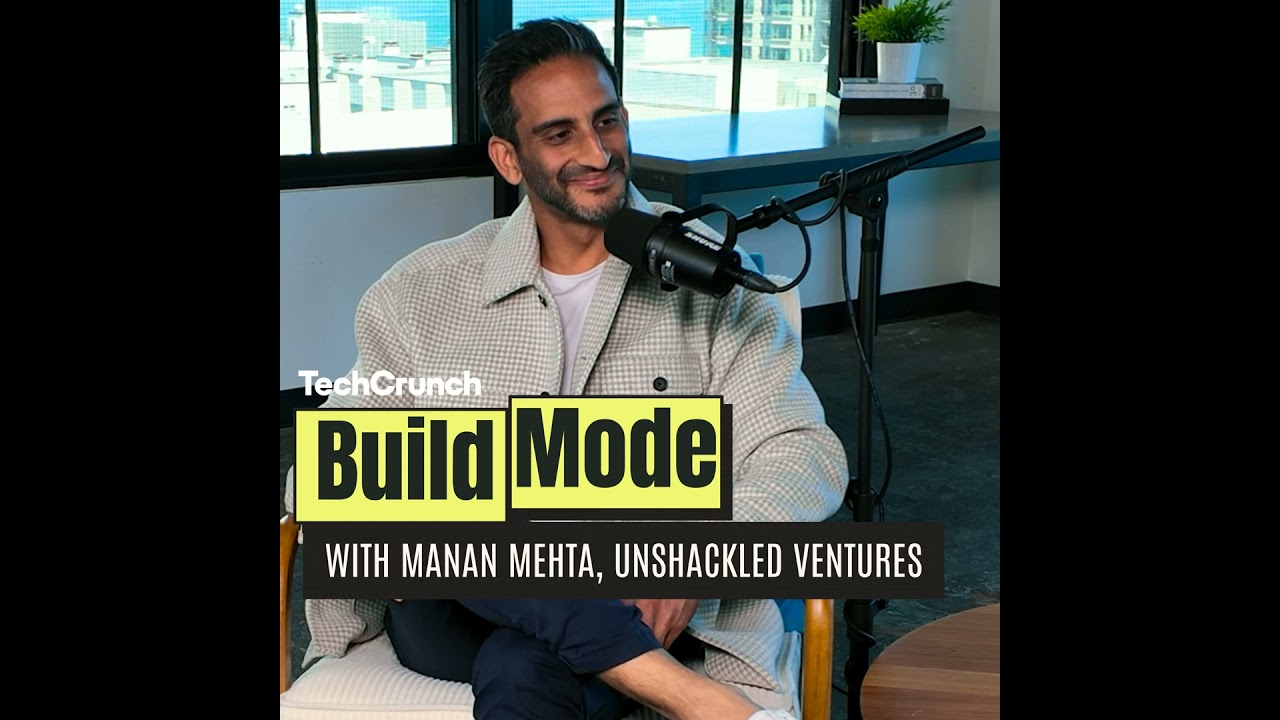
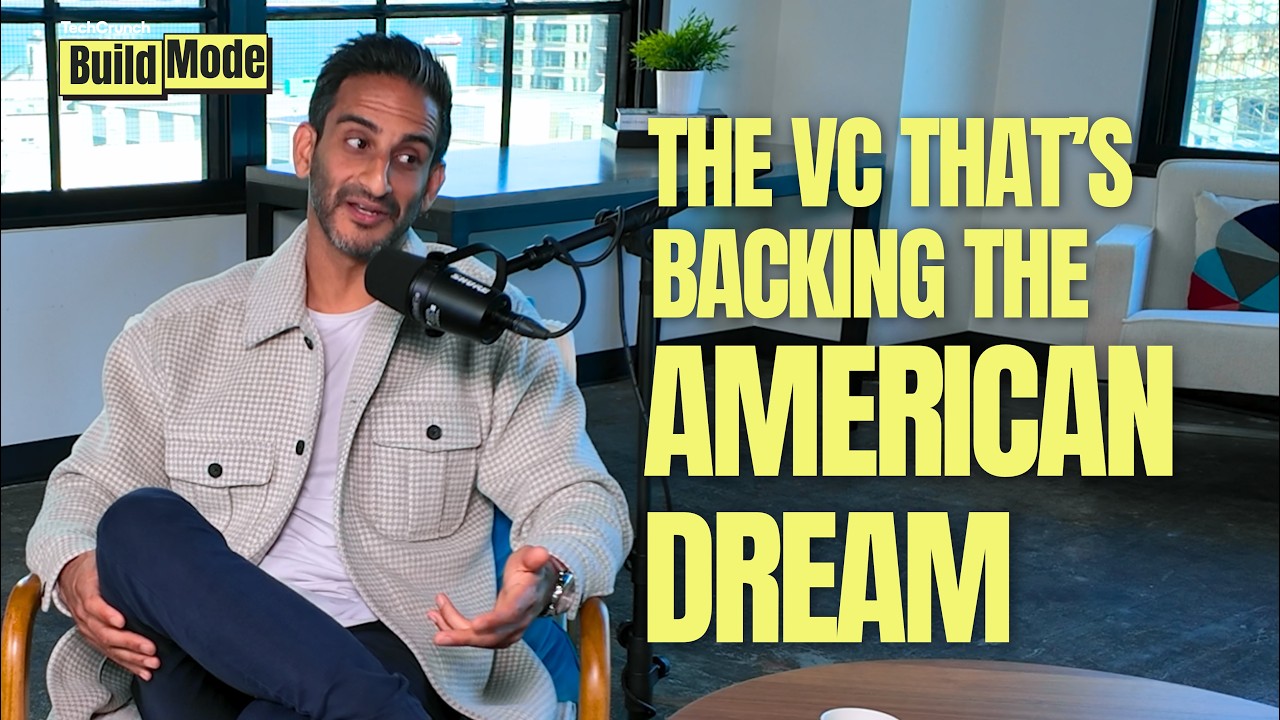
The VC Backing the American Dream with Manan Mehta, Unshackled Ventures

Immigrant founders have built some of the world’s most valuable companies, but many still face barriers that make it harder to get a startup off the ground. Visa restrictions, limited access to friends-and-family capital, shallow networks, and a venture industry built around pattern matching can keep promising founders from getting funded before they have a…
Published

on

Immigrant founders have built some of the world’s most valuable companies, but many still face barriers that make it harder to get a startup off the ground. Visa restrictions, limited access to friends-and-family capital, shallow networks, and a venture industry built around pattern matching can keep promising founders from getting funded before they have a chance to prove themselves.

In this episode of Build Mode () , host Isabelle Johannesen sits down with Manan Mehta, co-founder and managing partner of Unshackled Ventures, () to talk about why he believes immigrant founders represent one of venture capital’s biggest overlooked opportunities. Manan breaks down how Unshackled built an investment model designed to help founders navigate immigration barriers, why traditional VC pattern matching causes investors to miss potential outliers, and how his team evaluates founders at day zero—often before they have a product, customers, or traction. He also explains why the structural gaps that make some founders harder to fund may be exactly where investors should be looking for outsized returns.

They get into:

The four structural barriers immigrant founders face when starting companies in the U.S.

How Unshackled Ventures helps founders navigate visas while building their startups

Why VC’s reliance on pattern matching can cause investors to miss outlier founders

How Manan evaluates founders before they have a product, customers, or traction

The IQ, AQ, EQ, and SQ framework Unshackled uses to evaluate founder potential

Why resilience, lived experience, and a founder’s relationship to the problem can matter more than a polished pitch

Why structural gaps can create some of the biggest opportunities for investors

How founders without traditional networks can find alternative paths to early capital

Why founders should understand their personal “why” instead of trying to fit the traditional VC mold

Subscribe to Build Mode on Apple Podcasts () , Spotify () , or wherever you like to listen () . And watch the full videos on YouTube () . New episodes of Build Mode () drop every Thursday.

Chapters:

00:00 – Why VCs Miss Outlier Founders

01:45 – Why Manan Mehta Founded Unshackled Ventures

04:15 – The Problem With VC Pattern Matching

06:15 – The Friends-and-Family Gap for Immigrant Founders

08:18 – How Unshackled Helps Founders Navigate Visas

10:40 – Building a Startup in Today’s Immigration Environment

12:19 – Solving One of Unshackled’s Hardest Immigration Cases

14:39 – What the U.S. Stands to Lose16:59 – Raising Unshackled’s First Venture Funds

19:40 – Can You Start a Company on an H-1B Visa?

22:13 – How to Evaluate a Founder at Day Zero

28:30 – Measuring IQ, AQ, EQ, and SQ

30:26 – How Fear Drives VC Pattern Matching

33:01 – Why Structural Gaps Create Outlier Opportunities

35:14 – Finding Startup Capital Outside Traditional VC

38:09 – Why Founders Need to Understand Their “Why”

Hosted by Isabelle Johannesen. Produced and edited by Maggie Nye. Audience development led by Morgan Little. Special thanks to the Foundry and Cheddar video teams.

Continue Reading

Science & Technology

The High Risk, High Reward Model of Backing Immigrant Founders l Build Mode

Immigrant founders have built some of the world’s most valuable companies, but many still face barriers that make it harder to get a startup off the ground. Visa restrictions, limited access to friends-and-family capital, shallow networks, and a venture industry built around pattern matching can keep promising founders from getting funded before they have a…
Published

on

Immigrant founders have built some of the world’s most valuable companies, but many still face barriers that make it harder to get a startup off the ground. Visa restrictions, limited access to friends-and-family capital, shallow networks, and a venture industry built around pattern matching can keep promising founders from getting funded before they have a chance to prove themselves.

In this episode of Build Mode, host Isabelle Johannesen sits down with Manan Mehta, co-founder and managing partner of Unshackled Ventures, to talk about why he believes immigrant founders represent one of venture capital’s biggest overlooked opportunities. Manan breaks down how Unshackled built an investment model designed to help founders navigate immigration barriers, why traditional VC pattern matching causes investors to miss potential outliers, and how his team evaluates founders at day zero—often before they have a product, customers, or traction. He also explains why the structural gaps that make some founders harder to fund may be exactly where investors should be looking for outsized returns.

Subscribe to Build Mode:
Apple Podcasts
Spotify
Wherever you like to listen
New episodes of Build Mode drop every Thursday.

Chapters:
00:00 – Why VCs Miss Outlier Founders
01:45 – Why Manan Mehta Founded Unshackled Ventures
04:15 – The Problem With VC Pattern Matching
06:15 – The Friends-and-Family Gap for Immigrant Founders
08:18 – How Unshackled Helps Founders Navigate Visas
10:40 – Building a Startup in Today’s Immigration Environment
12:19 – Solving One of Unshackled’s Hardest Immigration Cases
14:39 – What the U.S. Stands to Lose
16:59 – Raising Unshackled’s First Venture Funds
19:40 – Can You Start a Company on an H-1B Visa?
22:13 – How to Evaluate a Founder at Day Zero
28:30 – Measuring IQ, AQ, EQ, and SQ
30:26 – How Fear Drives VC Pattern Matching
33:01 – Why Structural Gaps Create Outlier Opportunities
35:14 – Finding Startup Capital Outside Traditional VC
38:09 – Why Founders Need to Understand Their “Why”

Hosted by Isabelle Johannesen. Produced and edited by Maggie Nye. Audience development led by Morgan Little. Special thanks to the Foundry and Cheddar video teams.

Continue Reading

Science & Technology

Hands-on With Google’s New Pixel 11 Devices

Get a hands-on look at Google’s new Pixel 11 lineup, from the more durable Pro Fold, an updated new camera bar, and of course, a push for Gemini AI features.


Published

on

Get a hands-on look at Google’s new Pixel 11 lineup, from the more durable Pro Fold, an updated new camera bar, and of course, a push for Gemini AI features.

Continue Reading

Trending